- Manual transmissions remain common in Romania due to cost, durability, and control
- They offer lower purchase/maintenance costs, long durability, and better engine braking
- Resting the hand on the gear lever causes premature wear
- Riding the clutch on slopes wears it
The manual transmission remains popular in many markets, including Romania, where it is present on the vast majority of vehicles on the road. Although it may seem like a simple mechanism to operate, many drivers adopt wrong habits that can cause premature wear and costly failures. Understanding how to use the manual transmission correctly is essential for any motorist who wants to keep their vehicle in optimal operating condition.
The manual transmission is a complex assembly of gears that transforms torque and transmits rotational motion from the engine to the driven wheels. It is part of the transmission powertrain, located between the clutch and the longitudinal gear train. Its multiple roles include amplifying engine torque, widening the RPM range of the driven wheels, and enabling reverse.
How a Manual Transmission Works
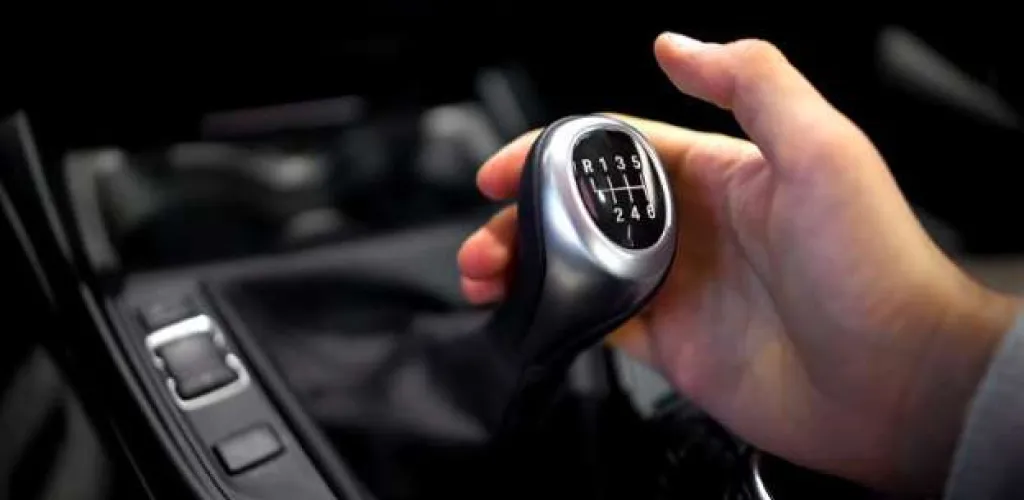
In manual transmissions, gear changes are made by operating the shift lever, which controls the synchronizer rings inside the gearbox through a timing mechanism. This arrangement allows selecting the correct gear wheels, providing different transmission ratios for various driving conditions.
In Europe, about 70% of cars on the road are equipped with manual transmissions. In Romania, although automatic transmissions are gaining ground, the manual transmission remains predominant due to advantages such as lower purchase cost, cheaper maintenance, greater durability, and enhanced vehicle control.
Advantages of the Manual Transmission
Lower purchase and maintenance costs
Manual transmissions in cars are cheaper by at least €1,000 compared with their automatic counterparts. The relatively simple mechanism means lower repair costs and more affordable service.
Durability and reliability
Manual gearboxes are generally tougher and less prone to failures. A properly used manual transmission can operate for hundreds of thousands of kilometers without major issues.
Control over fuel consumption
Manual transmissions give you the ability to manage fuel consumption by selecting the optimal moment to shift. The driver can adapt their driving style for maximum efficiency.

Efficient engine braking
Engine braking is much more effective on cars with manual gearboxes, providing superior control on steep slopes and in challenging weather conditions.

Common Mistakes That Deteriorate the Manual Gearbox
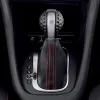
1. Using the gear lever as a handrest
This is one of the most common bad habits. When you rest your hand on the shift lever, the shift fork inside the transmission remains in constant contact with the rotating collar. This continuous pressure can cause premature wear of internal components.
SOLUTION: Keep your hand on the shifter only during gear changes. Otherwise, rest it on the steering wheel for better vehicle control.
2. Holding the vehicle on a slope with the clutch
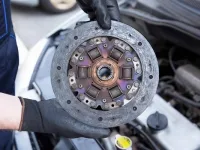
On slopes, many drivers partially release the clutch and accelerate simultaneously to prevent rolling backward. This practice causes severe wear of the clutch friction material.
SOLUTION: Use the handbrake to hold on the slope. Learn the heel-to-toe technique for smooth starts from a ramp without damaging the clutch.
3. Resting the foot on the clutch pedal
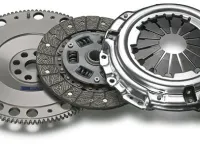
Keeping the foot on the clutch during driving causes partial engagement, leading to slipping and premature wear. Also, the release bearing can be damaged by constant contact with the diaphragm.
SOLUTION: Keep the left foot on the floor or on a dedicated footrest. Use the clutch only for gear changes and stops.

4. Shifting gears without fully depressing the clutch
Shifting without fully pressing the clutch damages the synchronizers and gears. This can lead to synchronization problems and abnormal noises.
SOLUTION: Press the clutch pedal all the way to the floor with each gear change. Wait for the engine RPM to balance before engaging the next gear.
5. Holding a gear at a red light
Keeping a gear engaged at a traffic light, with the clutch pressed, overworks the release bearing and causes unnecessary leg fatigue.
SOLUTION: Put the transmission in neutral and release the clutch during long stops. Re-engage the gear only when the light is about to change.
6. Braking with the clutch depressed
Pressing the clutch during braking removes engine braking and increases stopping distance, overloading the braking system.
SOLUTION: Brake with the gear engaged as long as possible. Press the clutch only when the engine is about to stall (below 1000 rpm).
Maintenance Tips
Gearbox warm-up
Like the engine, the gearbox needs time to reach its optimum operating temperature. In the first minutes of driving, change gears slowly without revving the engine excessively.
Transmission oil change
Although many manufacturers do not specify a transmission oil change at regular intervals, this operation is recommended to extend the gearbox life. Old oil can cause accelerated wear of components.

Signs of a Damaged Gearbox
- Unusual noises when changing gears
- Difficulties engaging certain gears
- Vibrations transmitted through the shift lever
- Oil leaks under the vehicle
- Burnt smell coming from the clutch
Conclusion
The manual transmission offers several advantages: lower cost, durability, control over consumption, and an authentic driving experience. However, to reap these advantages in the long term, it is essential to avoid the wrong habits listed.
Use of the manual transmission not only saves money on repairs but also makes the driving experience more enjoyable and safer. By following these simple rules, the gearbox and clutch will operate optimally for hundreds of thousands of kilometers, delivering reliability and consistent performance.
Remember: a manual car requires active driver involvement, but the rewards in terms of control, economy and durability make the effort fully justified.