- Romania diesel near 9 lei/L for six months amid global price surge.
- Global diesel prices rise due to high demand, supply disruptions, and Russia-Ukraine conflict.
- RACQ expects further increases over six months; margins remain modest and not exploitative.
- Diesel demand outpaces petrol worldwide; Europe and Australia rely on diesel, keeping prices high.
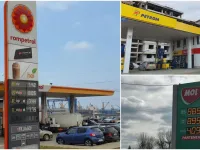
Romania is facing an unprecedented situation: diesel prices have reached record highs and have remained around 9 lei per liter for almost six months. This phenomenon is not limited to the national level—globally, diesel has become significantly more expensive than petrol, creating a substantial financial burden for diesel-powered vehicles.
The current situation reflects a complex blend of global economic conditions, supply-chain disruptions, and sustained demand for diesel fuel worldwide.
Specialists’ forecast: continued rises in the coming months
RACQ of Queensland, one of Australia’s premier motoring organizations, forecasts that diesel prices will continue to rise over the next six months. Experts advise preparing for further increases before a real, visible drop in prices is expected.
Current economic conditions and very high demand have contributed to this dramatic escalation in prices. Analysts also anticipate another rise due to the slim profit margins that retailers apply globally.
Actual profit margins: smaller than people think
“There’s a misconception that fuel companies are overcharging motorists on diesel, but in fact retail margins are reasonably low,” says Lauren Cooney, spokesperson for RACQ.
Experts note a common misconception among consumers who believe sellers exploit the situation to charge more for diesel. In reality, the markups are fairly modest relative to total costs.
For example, in Brisbane, the markup is about 50 cents per liter. This situation mirrors the global trend, with high diesel prices being a constant in most countries.

Impact of the Ukraine conflict on the global market
Russia remains one of the world’s largest producers and exporters of diesel, especially for the European market. The military conflict with Ukraine and sanctions packages imposed on Russia significantly affect the global oil distribution process.
Direct consequences on world reserves:
- Significant decline in global diesel reserves
- Disruption of traditional supply routes
- Higher transport and logistics costs
- The need to find alternative suppliers at higher prices
These supply-chain disruptions directly translate into the final price paid by consumers, creating a domino effect from producers to gas pumps.
Global diesel demand far outstrips gasoline
A key driver of price formation is the exceptionally high demand for diesel compared to unleaded petrol. This trend is evident worldwide, with dramatic differences in consumption between the two fuels.
Concrete consumption examples:
- Australia: diesel consumption is twice that of petrol
- The best-selling vehicles are Toyota HiLux and Ford Ranger, both diesel
- Europe: commercial transport and agriculture depend heavily on diesel
- Romania: a large portion of the vehicle fleet includes diesel vehicles, especially in the commercial segment
This sustained demand keeps pressure on prices even in normal market conditions.

Why diesel is not more expensive to produce than gasoline?
From a technical standpoint, there are no major differences in the production process between diesel and petrol. Both fuels:
- Have similar production costs: refining crude oil into diesel does not require substantially higher investments
- Undergo similar refining processes: both products pass through comparable processing stages
- Share common infrastructure: the same equipment can be used for both fuels
So where does the price difference come from?
Conclusions from experts indicate that the high price stems from:
- Current geopolitical context - conflicts and international sanctions
- Growing global demand - more sectors rely on diesel
- Limited reserves - global stocks have fallen significantly
- Rising transport costs - due to logistics disruptions
Outlook for Romania
In the context of these global developments, Romania remains vulnerable, being dependent on imports for a portion of its fuel needs. Prices around 9 lei per liter reflect this dependence and the volatility of international markets.
Diesel vehicle owners in Romania should prepare for a prolonged period of high prices, at least until geopolitical tensions ease and global reserves return to normal levels.