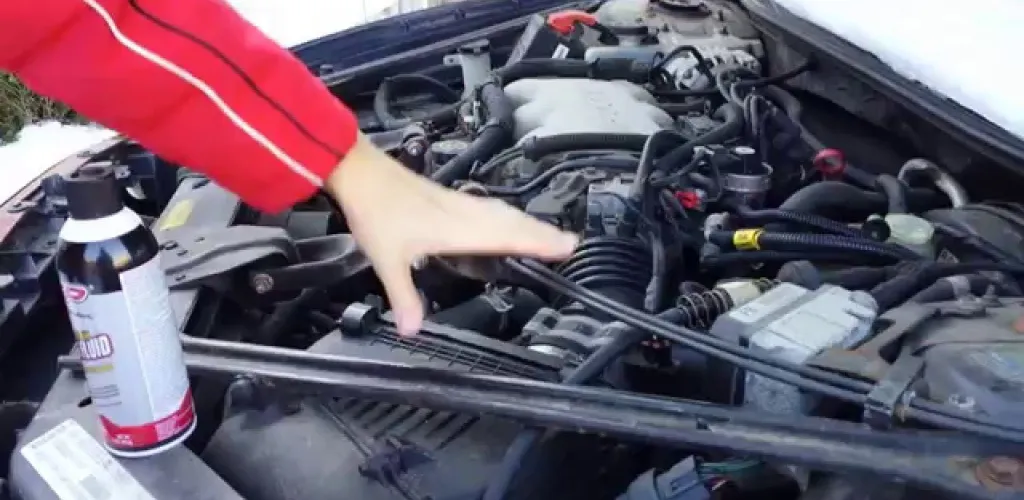
- Modern cars need about 30 seconds of warm-up before driving.
- Short warm-up reduces wear, saves fuel, and lowers emissions.
- Prolonged idle wastes fuel and increases emissions.
- Electronic fuel injection and synthetic oils reduce warm-up needs.
Cold mornings with subzero temperatures and a car that seems reluctant to start normally - a familiar scenario for many drivers in Romania. In these moments, many wonder how long to let the engine idle to warm up before heading out.
Contrary to popular belief, modern cars require much less warm-up time than most drivers imagine. Today’s technology allows you to set off after only a few tens of seconds from starting the engine, a dramatic shift from past practices.
Modern cars require less warm-up time
Auto experts generally agree: vehicles produced in the last 10 years do not require long idle warm-up periods. Advances in fuel injection technology and engine oil formulations have revolutionized cold-starts.
Manufacturers’ recommended warm-up time is about 30 seconds, after which you can start driving as smoothly as possible. This approach offers several advantages:
- The engine warms up faster under light load
- Fuel consumption is significantly reduced
- Exhaust emissions are minimized
- Engine wear is reduced
Think logically: idling with the engine running yields 0 km per liter. From an energy-efficiency perspective, it’s the least efficient mode of operation for an engine.
Why do many drivers still wait so long?
Legacy of old technology
The practice of long warm-ups has its roots in automotive technology from the ’70s and ’80s, when it was indeed necessary. This conventional wisdom persisted, even though the technical reasons behind it disappeared decades ago.
Problems with carburetors
Before the advent of electronic injection, most cars used carburetors to mix fuel with air. These mechanical devices had major limitations at low temperatures:
- Fuel vaporization was deficient
- The mixture became uneven
- Misfires or even engine stalling occurred
- The only solution was extended warm-up
Engine oil limitations
Oil formulations of that era performed poorly at low temperatures:
- Viscosity rose dramatically in the cold
- Circulation through the engine was hindered
- Lubrication of components was insufficient
- Warm-up time was essential for fluidization
Technological evolution has changed everything
Electronic injection - the revolution of the 1980s
Replacing the carburetor with electronic fuel injection system represented a fundamental change. The modern on-board computer:
- Automatically recognizes outdoor temperature
- Adjusts the fuel-air mixture in real time
- Continuously monitors engine temperature
- Automatically compensates for cold operating conditions
The high-pressure fuel pump guarantees optimal vaporization regardless of temperature, eliminating carburetor-specific issues.
Progress in fuels and lubricants
Fuel quality has improved dramatically, with formulations designed for optimal fuel economy. Modern oils, especially 100% synthetic oils, maintain their viscosity even at temperatures as low as -40°C.

Disadvantages of prolonged idle warming
Effects on the engine
- Rich fuel mixture dilutes engine oil
- Increases internal wear of components
- Can damage the catalytic converter
- Carbon deposits accumulate faster
Impact on the environment and budget
- Increased exhaust emissions with no benefit
- Wasted fuel
- In many cities there are legal restrictions and fines for prolonged idling
- It is the most inefficient method of engine heating
When might longer warming be necessary?
Extreme winter conditions
In mountainous areas or in extreme temperatures (below -20°C), a longer warm-up period can be justified for safety and comfort reasons:
- When the car is covered with snow and ice
- To de-ice the windows safely
- For very old vehicles (pre-1990)
- To heat the cabin in extreme conditions

Practical winter rules for Romanian conditions
For most situations:
- Start the engine and let it run for 30-60 seconds
- Begin driving very smoothly
- Avoid high revs until fully warmed
- Use this time to clear the windows
In extreme conditions:
- Allow 2-3 minutes for very old vehicles
- Focus on visibility safety
- Check that the heating system is working
Expert conclusion
Modern technology has eliminated the need for prolonged engine warm-up. For cars built after 2000, 30 seconds is sufficient in most cases. Driving smoothly until the engine reaches its optimal operating temperature is the most efficient method - for the engine, for your wallet, and for the environment.
Understanding these technical principles will help you treat your car correctly and save fuel during the cold season.