- Use fuel additives to clean the engine; idle 10–20 minutes, then drive.
- Octane boosters don’t clean; they improve compression and have a different purpose.
- Clean every 10,000–15,000 km; urban driving 8,000–10,000 km.
- High-mileage cars may not require frequent cleaning; choose make/model specific additives.
Maintaining the engine and the car in general helps a lot when it comes to long-term reliability and performance. You need to ensure everything is working as it should, that you carry out service and inspections on time, and thus you’ll avoid expensive repairs that can pop up overnight. But have you ever wondered whether the engine should be cleaned? If so, how should you clean it and how often should you do it?
How to clean the car’s engine and what to use
Chemical additives - the recommended solution
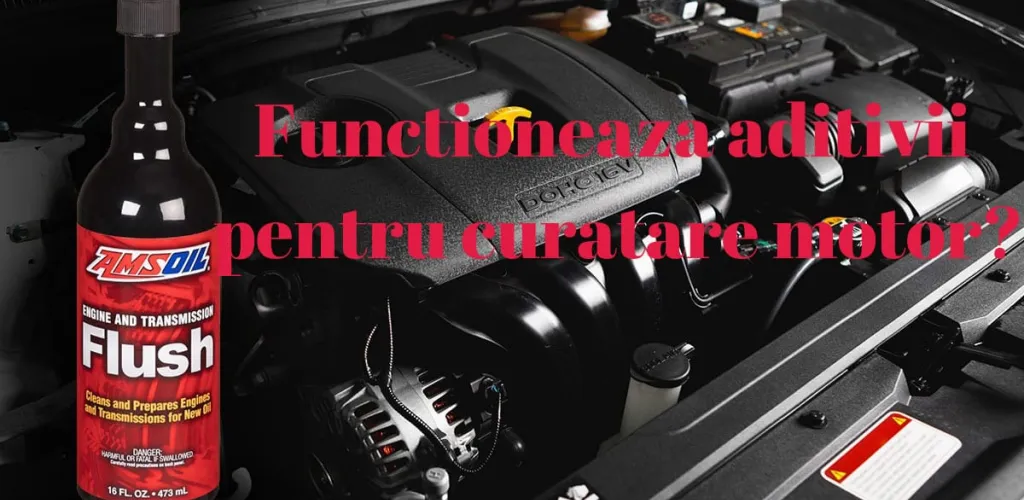
Before discussing how often the engine should be cleaned, we need to talk about what to use to clean it and how to proceed correctly. There are several options on the market, but the safest is to use additives.
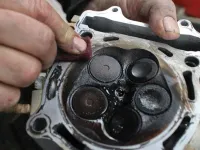
Chemical additives are designed to remove carbon deposits, old grease, and old oil from the engine. They work at the molecular level, dissolving and suspending the impurities that form during the combustion and operation of the engine.
Correct procedure for using additives
Engine cleaning additives are incredibly beneficial, especially for newer cars. To use the additives correctly, pour them into the fuel tank and then let the engine idle for 10–20 minutes. This allows the additive to mix with the fuel and to act with the engine running and warm.
After you have added the additive, it is recommended to drive the car normally to allow the product to circulate through the entire fuel system and to act on all engine components—from injectors to valves and combustion chambers.
Differences between additive types
Since we’re talking about additives, you may have heard of octane-boosting additives. They do not clean the engine, but can improve the compression before detonation in the cylinders. Automatically, with this improvement, the car will run better where higher compression is needed. It is important to note that they do not help clean the engine and have a completely different purpose.
How often should you clean the car’s engine
Factors that influence cleaning frequency
Depends on several factors:

- The environment you drive in (predominantly urban or highway)
- Type of fuel used
- Fuel quality in your area
- Driving style
- Age and mileage of the car
Most mechanics recommend cleaning the engine every 10,000–15,000 km using cleaning additives. For cars that operate predominantly in urban traffic, where the engine runs a lot at idle or at low revs, the interval can be reduced to 8,000–10,000 km.
The special case of high-mileage cars
It’s crucial not to overlook that cars with over 200,000 km or older than 8–10 years do not require frequent cleaning. In many of them, deposits are beneficial, forming a protective layer that compensates for natural wear of components.
The only time you should clean the engine of an old car is when you notice a drop in power and an increase in fuel consumption. We recommend that before using additives you determine which product is best for your car’s make and model. This is because some products can do more harm than good if used incorrectly or in excess.
What are the advantages and benefits of cleaning the engine
Improved performance
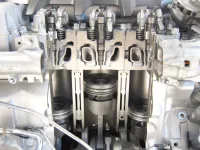
Cleaning the engine regularly brings many benefits. First, it removes deposits that visibly reduce the car’s performance. Carbon deposits can partially clog injectors, affect valve operation, and reduce combustion efficiency in the combustion chambers.

Increased efficiency and savings
Regular cleaning helps reduce fuel consumption by improving the combustion process. A clean engine burns fuel more efficiently, resulting in more power with less fuel used. In the long term, this translates into significant pump-side savings.
Durability and longevity
Periodic cleaning increases the engine’s lifespan by reducing wear on components. Carbon deposits can cause extra friction and hot spots in the combustion chambers, leading to premature wear of pistons, rings, and valves.
Conclusion and final recommendations
In conclusion, if you have a newer car (under 150,000 km), use the additive at 10,000 km intervals and consult your mechanic before choosing the type and brand of additive. Do this consistently and you’ll ensure your car is well maintained and the engine runs at optimal performance.
For best results, choose additives from reputable manufacturers and always follow the usage instructions. Proper preventive maintenance is always cheaper than major engine repairs.