- Automatic gear adoption rising in Romania; licensing differences affect post-license transmission choices
- Start engine with automatic: brake pressed, selector in P or N, then start
- Common beginner errors: snapping brakes at high RPM, using both feet, unnecessary gear changes
- Automatic benefits: less fatigue in traffic, smoother long-distance driving, improved engine protection
Automatic transmissions are gaining ground in Romania, offering a more comfortable and efficient driving experience. Most driving schools still use manual transmission vehicles due to cost, which means many drivers will experience an automatic transmission only after obtaining their license.
Although there are no restrictions in Romania regarding the type of transmission you can drive after obtaining your license, in other countries you may be allowed to drive only the same type of transmission you passed the exam with. This makes the transition even more important to understand.
Key differences between manual and automatic transmissions
The clutch pedal reflex – The most common mistake
The most frequent issue encountered is the tendency to press the brake pedal instead of the clutch, which no longer exists. This reflex can cause:
- Sudden and unexpected braking
- Dangerous situations in traffic
- Discomfort for passengers
- Premature wear of the braking system
How to start the engine with an automatic transmission
Unlike a manual transmission, starting the engine with an automatic requires following a few specific steps:
- Press the brake pedal - required to start
- Check that the selector is in P (Park) or N (Neutral)
- Start the engine - without these steps, the system will block starting
These safety measures prevent the engine from starting with a gear engaged, which could cause the vehicle to move uncontrollably.
On-the-spot starting technique
The natural acceleration process
With an automatic, the starting process is considerably simplified:
- Take your foot off the brake - the vehicle will begin to move naturally from inertia
- Gently press the accelerator to control speed
- Avoid sudden accelerations for maximum comfort
Common mistakes to avoid
The most frequent beginner errors:
- Sudden braking when the RPM seems high (a habit from using the clutch)
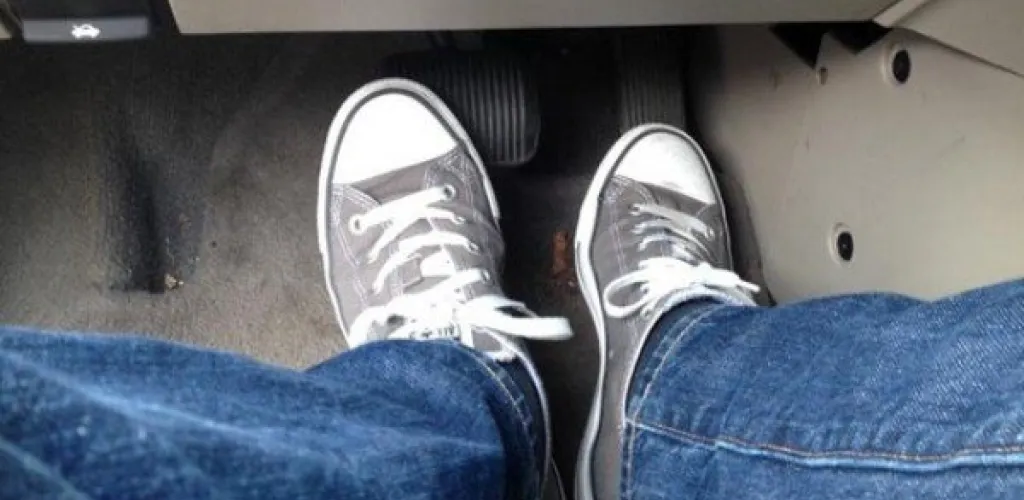
- Using both feet - the left foot should stay at rest
- Hand on the shifter - there’s no need for constant gear changes
Correct cabin positioning
Leg position
- Right leg: controls both the brake and the accelerator
- Left leg: remains at rest in its designated space
- Never use both feet for pedals
Using the shifter
The shifter is used only for:
- Switching between P, R, N, D
- Activating sport mode (if available)
- Limiting speeds on certain paths (L1, L2)
Benefits of the automatic transmission in different conditions
Urban driving
In dense traffic, the automatic transmission offers:
- Elimination of fatigue from constant speed changes
- Reduced stress at traffic lights or in jams
- Optimized fuel consumption through smart speed management
- Engine protection by preventing inappropriate revs
Long-distance roads
On highways and national roads:
- Increased comfort for driver and passengers
- Reduced fatigue over long distances
- Superior performance through automatic optimization of the transmission ratio
- Improved safety by minimizing driver distraction
Important technical aspects
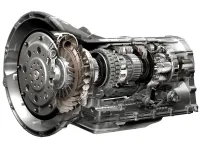
Types of automatic transmissions
- Classic automatic transmission – hydraulic torque converter
- CVT (Continuously Variable Transmission) – with continuous variation
- Robotized automatic transmission – dual clutch (DCT)
Each type has its own operating characteristics, but the basic principles remain the same.

Maintenance of the automatic transmission
- Oil changes at recommended intervals (40,000-80,000 km)
- Regular level checks (with the engine running, transmission warmed up)
- Avoid towing without starting the engine
- Warming up the transmission before heavy demands
When to choose the automatic transmission
Ideal driver profile
The automatic transmission is recommended for:
- Beginners who want to focus on traffic
- Urban drivers who spend a lot of time in traffic
- People with physical limitations who have difficulty with the clutch
- Long-distance drivers who prioritize comfort
Economic considerations
- Higher purchase price by 1,000-3,000 EUR
- Fuel consumption similar or even lower with modern transmissions
- Maintenance costs slightly higher
- Better resale value in the long term
Psychological adaptation to the automatic transmission
For many drivers experienced with a manual, switching to automatic can create:
- A sense of losing control over the vehicle
- Boredom due to reduced involvement
- Anxiety about trusting the automatic system
- Nostalgia for the direct “connection” with the car
These feelings are normal and typically fade after a few weeks of use.
Conclusion
The automatic transmission represents the future of mobility, offering clear advantages in comfort, safety, and efficiency. Although it may seem intimidating at first, adaptation is swift once the basic principles are understood. The key to success lies in abandoning manual transmission reflexes and trusting modern automatic transmission technology.
Regardless of prior experience, with a bit of practice and the tips presented, any driver can become comfortable with an automatic transmission and enjoy all of its benefits.