- P0700 means Transmission Control System Malfunction; indicates other codes, not a single fault.
- Service light may appear; limp-in mode and shifting problems are common symptoms.
- Causes include low fluid, faulty torque converter, worn components, and faulty solenoids.
- Diagnosis requires visual inspection, fluid check, and an advanced OBD2 scan.
The P0700 error code is one of the most common OBD2 codes found in vehicles with automatic transmissions. It acts as an informational code, alerting to issues in the automatic transmission control system. While it may seem alarming, P0700 itself does not point to a specific defective component; it serves as a messenger indicating that other transmission-related trouble codes have been detected.
Understanding this code is essential for any owner of a vehicle with an automatic transmission, as it can prevent costly damage and ensure the transmission operates optimally.
What the P0700 means
Code P0700 refers to “Transmission Control System Malfunction” — a fault in the automatic transmission control system. This code is generated when the PCM (Powertrain Control Module) detects an anomaly in the operation of the automatic transmission.
How the system works
In most modern vehicles equipped with OBD2, the engine and transmission control are integrated into a single unit—the PCM. Some models use separate modules: ECM (Engine Control Module) for the engine and TCM (Transmission Control Module) for the transmission. When the TCM detects a problem with a sensor, solenoid, or switch, it reports P0700 to the ECM to illuminate the service light.
Indicators and symptoms of the P0700 code
Visual indicators
- Service light on the dashboard
- Limp-in mode activation on some models – the transmission limits performance to prevent damage
Operational symptoms
- Transmission slipping — the engine revs but the car does not accelerate properly
- Rigid or jerky shifts — abrupt and uneven transitions
- Inability to shift gears — stuck in certain gears
- Transmission overheating — abnormally high temperatures
- Engine shuts off while driving — in severe cases
Main causes of the P0700 code
Common mechanical causes
- Low transmission fluid level — the most frequent cause
- Faulty torque converter clutch
- Slippage of internal transmission components
- Wear of friction discs and bands
Electronic causes
- Faulty shift solenoids
- Faulty position sensors — monitor speed and position of components
- Damaged or corroded wiring
- Faulty electrical connectors
Hydraulic causes
- Transmission fluid leaks — external or internal
- Defective hydraulic pump
- Worn or clogged valve body
Correct diagnosis of the P0700 code
Equipment required
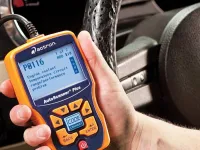
- Advanced OBD2 scanner — capable of reading transmission-specific codes
- Digital multimeter — for electrical measurements
- Transmission pressure gauge
- Infrared thermometer — for temperature verification
Diagnostic procedure
Step 1: Visual inspection
- Check the level and condition of the transmission fluid
- Inspect wiring and connectors for damage
- Look for fluid leaks under the vehicle
- Check the fuses for the transmission system
Step 2: Code scanning
- Connect the OBD2 scanner and record all stored codes
- Note transmission-specific codes (usually starting with P07XX or P08XX)
- Check real-time data from transmission sensors
Step 3: Functional testing
- Perform a controlled road test
- Monitor transmission behavior at varying speeds
- Verify the operation of automatic shifting
Limp-in mode and its impact
When the vehicle enters limp-in mode, the transmission operates with maximum constant pressure to allow basic gear changes. In this mode:
- Performance is limited — acceleration and top speed are reduced
- Fuel economy decreases — due to reduced efficiency
- Increased wear — operation under suboptimal conditions
It is essential to address the issue quickly to avoid repeated entries into this mode.
Common diagnostic mistakes
Premature transmission replacement
Many technicians opt for a full transmission rebuild without properly diagnosing the root cause. Often, the problem can be solved by:
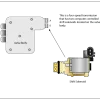
- Replacing a faulty solenoid
- Repairing a simple leak
- Cleaning the valve body
Ignoring secondary codes
P0700 is an informational code — the real problems are indicated by other specific codes. Always resolve those secondary codes first.
Preventing transmission problems
Preventive maintenance
- Change transmission fluid according to the manufacturer’s intervals
- Periodically check the level and quality of the fluid
- Perform a system flush at the specified intervals
Driving style
- Avoid abrupt accelerations when the transmission is cold
- Warm up the vehicle before aggressive driving
- Do not tow heavy trailers without ensuring the transmission can handle them
Repair costs
Costs vary considerably depending on the identified issue:
- Refilling transmission fluid: 50-150 RON
- Replacing a solenoid: 300-800 RON
- Repairing a leak: 200-1000 RON
- Transmission rebuild: 3000-8000 RON
Conclusion
The P0700 code should not be ignored, but it should not cause panic either. This code acts as an early warning system that allows you to address transmission problems before they become costly. A methodical and correct diagnosis can save thousands of RON and significantly extend the life of the transmission.
When you encounter this code, consult a transmission specialist who has experience with your vehicle’s make and model. A prompt and competent intervention can make the difference between a minor repair and a costly full rebuild.