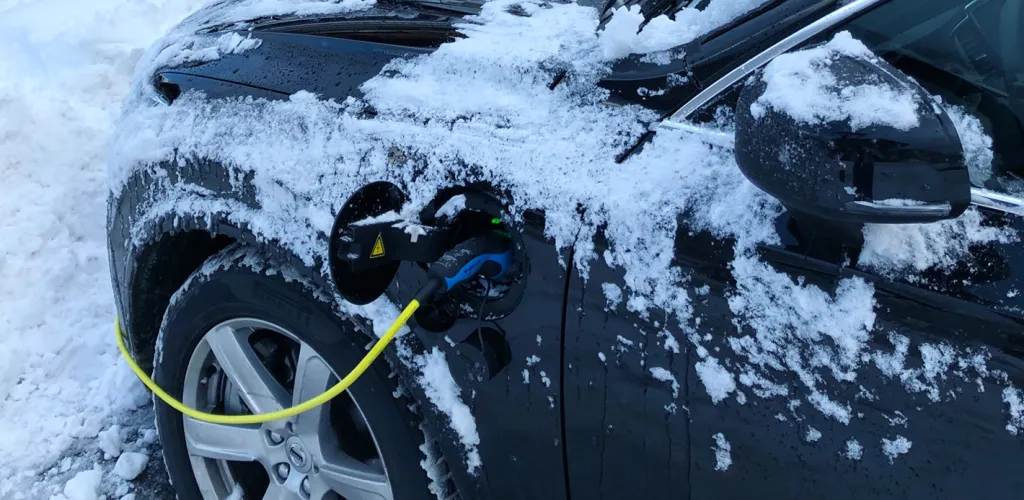
- Optimal battery temperature is 10–20°C, best near 15°C; BMS guards cells.
- Range drops below 7°C; Kona/Audi ~93% efficiency; Volt loses up to 69%.
- Studies: ~20% average loss; up to 50% subzero; heating can add 41%.
- Very cold last 20% can refuse fast charging or shut down early.
Electric vehicle performance varies with weather conditions, and winter presents unique challenges for EV owners. Cold temperatures slow the chemical reactions inside battery cells, and using the heating system can significantly reduce the available range. With the growing number of electric cars on Romanian roads, understanding these factors is essential for an optimal driving experience.
This article examines the optimal battery temperature, how range declines in cold weather, and practical strategies to minimize losses.
What is the optimal battery temperature for electric vehicles?
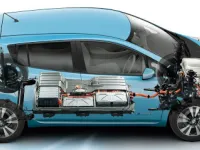
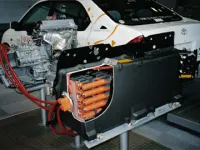
The optimal operating temperature of the battery varies depending on the make and model of the electric vehicle, but most manufacturers recommend a temperature between 10°C and 20°C. Studies show the best performance at around 15°C, the temperature at which chemical reactions inside Li-ion cells run efficiently.
The Battery Management System (BMS) constantly monitors the temperature and adjusts charging and discharging parameters to protect the cells. At optimal temperatures, the battery can deliver maximum current to the electric motor without premature degradation of the internal chemistry.
At what temperatures does EV range begin to drop?
EV range begins to deteriorate noticeably once outside temperatures drop below 7°C. The impact varies significantly depending on the battery technology and the management systems implemented by the manufacturer.
Different performances by model
Some models maintain efficiency even at low temperatures. The Hyundai Kona Electric and Audi e-tron demonstrate an efficiency of 93% at temperatures between 0-5°C, thanks to advanced battery preconditioning and superior thermal insulation.
At the other end of the spectrum, vehicles such as the Chevrolet Volt can record dramatic losses of up to 69% of nominal range in very cold weather. These differences are due to:
- Battery chemistry: LiFePO4 cells are more resistant to cold than NCM cells
- Thermal management system: Some vehicles have dedicated battery heaters
- Thermal insulation: The quality of battery pack insulation
Studies and statistics
Independent research shows consistent losses:
- A Car and Driver study reports an average 20% loss of range at low temperatures
- Consumer Reports documents reductions of up to 50% in subzero conditions
- Real-world tests show that using heating at maximum can cause a 41% loss of the estimated range
These reductions are due to the slowdown of electrochemical reactions in the battery and the rise in internal resistance, which reduces the current available for propulsion.
Specific risks at very low temperatures
When the battery reaches its last 20% of capacity in winter, the vehicle can face additional difficulties. A cold battery may:
- Refuse to accept fast charging
- Discharge faster than the system indicates
- Shut down completely before reaching 0% to protect itself
Strategies to minimize range losses
Vehicle thermal management
Parking in sheltered spaces Even if you do not have a heated garage, parking in a covered area provides significant protection from cold wind and precipitation that accelerate heat loss. An unheated garage can be 5-10°C warmer than the outside.
Vehicle preconditioning Most modern EVs allow preheating the cabin and the battery while the vehicle is connected to the power grid. This function:
- Heats the battery to the optimal temperature before departure
- Preheats the cabin without drawing energy from the battery
- Can be scheduled via the mobile app
Optimizing comfort systems
Targeted heating Instead of heating the entire cabin, use:
- Heated seats: 50-100W per seat
- Heated steering wheel: Adds comfort with minimal consumption
- Zonal heating: Directs warm air only to the driver
These systems can provide thermal comfort with energy consumption 5-10 times lower than full cabin heating.
Additional clothing Keep in the vehicle:
- Emergency thermal blankets
- Extra warm clothing
- Gloves and hats
These precautions are essential for longer journeys or in remote areas where charging stations are scarce.
Driving style optimization
Eco mode Activating Eco mode limits the maximum available power and optimizes:
- Gradual acceleration for maximum efficiency
- Improved regeneration during braking
- Reduced consumption of auxiliary systems
Tire maintenance Correct tire pressure becomes even more critical in winter:
- Cold air automatically reduces pressure by 1-2 PSI
- Underinflated tires increase rolling resistance by 10-15%
- Check pressure at least once a week
Moderate speed Aerodynamic resistance grows exponentially with speed, and dense winter air amplifies this effect. Reducing speed by 10-15 km/h can improve range by up to 15%.
Winter travel planning
In winter, planning becomes crucial:
- Safety margin: Plan for 30-40% less range than in normal conditions
- Charging stations: Identify alternative stations along the route
- Weather monitoring: Avoid trips in extreme conditions
- Preventive charging: Keep the battery at a minimum of 30% rather than 20%
Understanding these technical aspects and applying optimization strategies can make the difference between a pleasant winter EV experience and inconvenient situations of insufficient range.