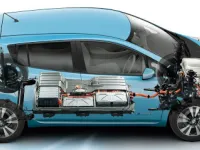
- EVs dramatically cut local emissions and improve urban air quality.
- 2035 EU deadline to end CO2-emitting vehicle production boosts EV adoption.
- EVs offer long-term savings despite higher upfront costs.
- Battery tech and lifecycle emissions show a lower carbon footprint than ICE.
The automotive industry is undergoing its most significant transformation in decades, with electric vehicles quickly gaining ground in consumer preferences. This shift is not just a temporary trend but an urgent necessity to protect the environment and reduce dependence on fossil fuels. With the 2035 deadline for ending the production of emissions-generating vehicles and mounting pressure to meet international environmental agreements, understanding the benefits and challenges of electric cars becomes essential for every driver.
Electric vehicles offer a viable alternative to internal combustion engines, delivering meaningful environmental and long-term financial benefits for owners, even though the initial cost is higher.
Reducing harmful emissions and environmental impact
One of the strongest arguments in favor of electric vehicles is the elimination of local emissions. In a context where 2035 is the EU deadline to stop producing CO2-emitting vehicles, the shift to electric mobility becomes a strategic priority.
This transformation carries major geopolitical implications. The European Union remains highly dependent on oil imports from Russia and the Middle East. The mass commercialization of electric cars can lead to the elimination or at least a significant reduction of this energy dependence.
According to the Paris Agreement on climate change, greenhouse gas emissions must be drastically restrained to meet the set targets. This measure will contribute to:
- Improved air quality in urban areas
- Reduced incidence of respiratory diseases
- Diminished greenhouse effect
- Protection of the ozone layer
As Vlad Radu Zamfira stated to Infoclima: “New emission standards can accelerate the transition to electric vehicles, which in turn will require an improved charging infrastructure and energy networks.”
Emissions comparison: electric vs. internal combustion engines
Regarding environmental impact, charging batteries is a significantly less polluting activity than burning fossil fuels for the same distance traveled. Even when considering the full life cycle of the vehicle—from production to recycling—electric cars have a notably smaller carbon footprint.

These environmental benefits align with major international initiatives such as the European Green Deal and the Paris Agreement, prompting automakers to devise increasingly ingenious solutions to continually reduce environmental impact, including in manufacturing processes.
Battery technology and electric vehicle range
While conventional cars rely on internal combustion engines powered by petrol or diesel, electric vehicles operate exclusively with energy stored in high-capacity batteries.
Lithium-ion batteries (Li-Ion)
Li‑ion batteries are the technological core of modern electric vehicles. They can be charged via standard outlets or specialized charging stations. Key features include:
- High energy density
- Extended lifespan (8-15 years under normal conditions)
- Rapid charging capability
- Consistent performance across diverse climatic conditions
Current range and future trends
According to current industry data, battery range varies significantly depending on the model, brand, and motor power. The current range spectrum includes:

- Entry-level vehicles: approx. 200 km range
- Premium vehicles: over 500 km range
- Luxury vehicles: some models exceed 700 km
With rapid technological progress in electric vehicles, there is a continual aim to achieve longer driving distances while reducing charging times. New battery technologies, such as solid-state batteries, promise to revolutionize this segment yet again.
Expanding charging infrastructure
To support the adoption of electric vehicles, charging infrastructure is developing rapidly. Drivers have access to numerous mobile apps that help locate commercial charging stations. The main types of stations include:
- Slow charging (AC): 3-22 kW, for overnight charging
- Fast charging (DC): 50-150 kW, for trips
- Ultra-fast charging (DC): over 150 kW, for charging in a few minutes
Maintenance cost analysis
Initial investment and government subsidies
Although the purchase price of an electric car is generally higher than that of a vehicle with an internal combustion engine, this gap is gradually narrowing due to:
- Government subsidies for electric vehicle purchases
- Ongoing reductions in production costs
- Increased production volumes
Lower maintenance costs
A major advantage of electric vehicles is significantly lower maintenance costs compared with gasoline or diesel cars. This difference stems from the superior mechanical simplicity of electric motors.
Eliminating maintenance costs specific to internal combustion engines:
- Oil changes
- Replacing air and fuel filters
- Cooling system maintenance
- Transmission system service
- Timing/distribution system maintenance
- Exhaust system repairs
Maintenance costs specific to electric vehicles:
- Air conditioning system servicing
- Replacing brake pads (less frequent due to energy recuperation)
- Suspension system service
- Checking electrical connections
Battery replacement — a major investment
One significant maintenance expense for electric vehicles can arise from replacing the battery pack or certain affected cells. However, this operation is performed far less often than initially thought, and the manufacturer’s warranty generally covers these costs.
Modern Li‑ion batteries are designed to retain 70-80% of their initial capacity after 8-10 years of normal use, meaning most owners will not face major issues during the vehicle’s ownership.
Long-term financial benefits
EV buyers and owners worldwide can benefit from multiple financial advantages:
- Substantial purchase subsidies
- Lower “fuel” costs (electricity)
- Reduced maintenance
- Potential to buy electric cars at prices comparable to or even more affordable than internal combustion engine vehicles
- Tax exemptions and access to low-traffic zones
In conclusion, while the transition to electric vehicles requires adapting to new technology and infrastructure, the environmental benefits and long-term savings make this option increasingly attractive for conscientious drivers.