- Road accident scams are widely used to steal belongings or cars.
- The distraction variant keeps you talking while an accomplice steals unseen.
- Psychological manipulation aims to shift blame and demand money; stay vigilant.
- I need help scams target isolated areas; don’t stop, call police if unsure.
Introductory note: Car thieves have developed increasingly sophisticated techniques to fool unsuspecting drivers over time. These criminals will resort to any strategy beyond honest work to get what they want. Since we can’t change them, our only defense is to know their techniques and set aside naivety.
Below you will discover the most frequently used methods by an experienced thief to steal your belongings or even your car entirely. Knowing these tactics is the first step toward effective protection of your vehicle.
The road accident simulation method
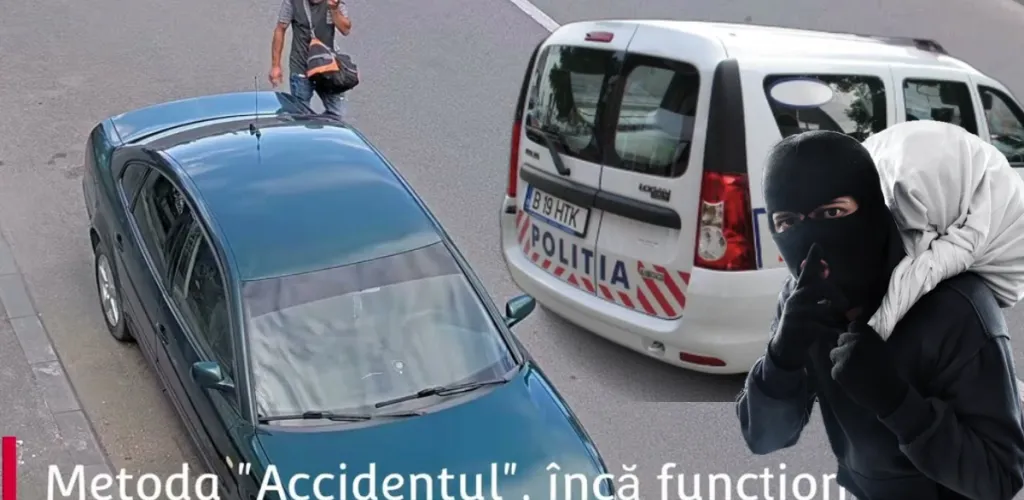
This has become one of the most used strategies, even in developed countries such as France, England, or Germany. After all, thieves exist everywhere. The technique involves creating an artificial accident scenario to fool you.
In a normal traffic situation, for example when you need to move onto the main road from a smaller one, another driver may signal you to let you go in front of him, showing apparent friendliness. When you advance, he will intentionally collide with you.
After the accident, the driver has two main ways to steal from you:
First variant: distraction
If the thief wants to play the friendliness card, he will suggest resolving the problem amicably, quickly and simply. While he keeps you engaged in discussion about insurance or RCA, a accomplice can very easily come and take everything from your car, which is conveniently outside of your visual field.
Even if you realize, sooner or later, why it happened, it’s almost impossible to prove that the two individuals were in cahoots. After all, it can always be said that the thief took advantage of your momentary distraction.

Second variant: psychological manipulation
The thief will deny having agreed to let you go in front of him. If he manages to convince you that it was your fault and you misunderstood, he won’t have to do much more. He will propose to resolve the whole situation between you and will ask for a sum of money.
Instinct must always be followed. If you find yourself in such a situation, make sure you take your phone, wallet and car keys with you when you go to speak to the other driver. Lock all doors and ensure you can monitor the car from where you are. Do not be drawn away from the accident scene by conversation.
If something feels off, the best course is to call the police. It’s better to be wrong a little than to be deceived.
The “I need help!” method
You have almost certainly encountered this situation in Romania, especially on major roads, or perhaps you have seen it in movies. Usually, thieves operate together to deceive an innocent person. They will simulate a more or less serious accident, hoping that a compassionate passerby stops to help.
When not to stop
- On rural roads or at night
- When people signal aggressively and beg you to stop
- On isolated stretches of road
When you see people who appear involved in a car accident, you are most likely not supposed to stop. After all, anyone can call the police and they don’t need your help, especially if the accident doesn’t look serious.
How to proceed if you do stop
If common sense compels you to look the other way, try to rely on instinct:
- Lock all doors and take the keys with you
- Do not agree to drive them to the next town
- Do not tow their car
- If the situation seems suspicious, leave as soon as possible
There are specialized services exactly for this kind of issue.
The remote fob jamming method
This is the simplest theft method. When you park your car in front of a supermarket and rush, there is a high chance you won’t check whether the doors are closed. You press the button and walk away.
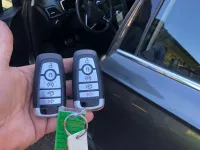
Thieves use simple devices to jam the signal and prevent the central locking from engaging. The car appears locked, but in reality all doors remain unlocked.
How to protect yourself
- Always manually verify that the doors are closed
- If the car won’t lock, use the key in the lock
- Don’t rely solely on the confirmation beep
Although it may seem like an unnecessary precaution, it’s better than losing your car or valuables.
The beggar-surround technique
Beggars are often unfortunate but harmless people. However, as the saying goes, good guard, good risk mitigation. This method exploits drivers’ compassion and inattention.
How the technique works
While a beggar approaches your car window and draws your attention, another thief steals what you have on the back seat. Even if you realize this in time, there is a high chance you choose not to act, especially if you are alone.
Protective measures
- Always close your car doors when driving
- Be especially vigilant in areas on the city outskirts
- Avoid leaving valuable items in plain sight on the back seats
The windshield sticker method
People today are always in a hurry and distracted. Yet, you can spare two minutes to investigate a sticker that appeared overnight on your car’s rear window.
How it works
The thief sticks a visible sticker on the rear window. When the owner notices and goes to remove it, they leave the car unlocked with the engine running. At that moment, the offender can enter the vehicle and drive off.
Proper protection
If you see a sticker on your car, go check what it is about only after:
- You have locked all doors
- The engine is off
- You have taken the key with you
Otherwise, a person with bad intentions could be lying in wait, just waiting for the right moment.
Intentional tire puncturing
Most often, thieves will damage your tires when the car is parked. When you return to the car, you’ll notice only that it’s deflated and think you have a natural puncture.
The danger of changing the tire
When you change a tire, you are in a fairly dangerous position:
- You are on your back or kneeling
- The doors and trunk are likely open
- You are distracted by the mechanical work
- You don’t notice when someone opens the door from the other side
How to proceed
If you have a breakdown and no friends with you:
- Take the car to a service center if possible
- Make sure you lock all doors and the trunk during repairs
- Be alert to people around you
- Work quickly and efficiently
There are specialized services exactly for this kind of issue.
The fake hotel valet method
This theft method targets luxury hotels. Usually, these places have a large car park and a valet who handles your car until you check in. Yet, valets aren’t always who we think they are.
Risks
You can’t know if the person you give your keys to truly works at the hotel. A fake employee may:
- Steal the car completely
- Make copies of the keys
- Note the security code
- Steal valuables from inside
Effective protection
Although you should be able to relax, if you want to take all necessary protective measures:
- Park your car yourself whenever possible
- Verify the valet’s identity
- Do not leave valuables in the car
- Request a receipt for the keys
Conclusion: vigilance is the key to protection
Knowing these common methods used by car thieves is the first step toward effectively protecting your vehicle and belongings. Constant vigilance, combined with simple precautionary measures, can prevent most theft attempts.
Remember that your instincts are always a valid guide. If something seems suspicious or too good to be true, it’s probably a trap. In dubious situations, it is always better to be overly cautious than to become a victim of a well-planned scam.