- P0194 indicates intermittent fuel pressure sensor readings detected by the PCM.
- Typical pressure range: 3-5 bar indirect; 200+ bar direct injection.
- Symptoms include hard starts, stalling, weak acceleration; check engine light.
- Causes span mechanical (pump, filter, regulator), electrical (wiring, connectors, relay), and sensor faults.
The P0194 trouble code is one of the more complex OBD2 codes that vehicle owners may encounter. This fault relates to intermittent readings of the fuel pressure sensor circuit, a problem that can significantly affect engine performance and fuel efficiency.
Understanding this code and its diagnostic methods is essential for any vehicle owner who wants to keep the car running at its best. Knowledge of symptoms and causes can also help prevent costly damage to the fuel delivery system.
What the P0194 Code Means
PCM (Powertrain Control Module) detects an abnormal fuel pressure reading, a parameter essential for the engine to operate normally. This problem can indicate both hardware failures and issues with wiring.
The fuel pressure sensor constantly monitors pressure in the fuel system and transmits these data to the PCM. When values fall outside the normal range, the P0194 code is stored.
Code Parameter Settings
The P0194 code is triggered when the fuel pressure does not fall within a manufacturer-defined range. This range varies by make and model but typically sits between 3-5 bar for indirect-injection engines and can reach 200+ bar for direct-injection systems.
When the PCM detects these anomalies, it stores the fault code and illuminates warning lights on the vehicle’s dashboard. The detection process can be instantaneous or may require multiple start cycles to confirm the fault.
Symptoms Associated with P0194
Common observable symptoms
- Hard starting: The engine requires multiple attempts to start
- Stalling: The engine stalls at idle or under light throttle
- Weak acceleration: Throttle response is delayed or insufficient
- Check Engine light illuminated: The Check Engine light comes on
Advanced symptoms in severe cases
- High fuel consumption
- Rough idle operation
- Power loss at high speeds
- Increased emissions
Main Causes of the P0194 Code
Mechanical failures
- Faulty fuel pump: Most common reason; the pump can no longer maintain optimal pressure
- Clogged fuel filter: Restricts fuel flow to the engine
- Faulty pressure regulator: Cannot properly control system pressure
Electrical problems
- Damaged wiring: Frayed, corroded, or damaged insulation
- Faulty connectors: Corroded contacts or loose connections
- Short circuits: In the sensor circuit or the fuel pump circuit
- Fuel pump relay: Fault in the main relay
Sensor failures
- Faulty pressure sensor: Incorrect or intermittent readings
- Sensor wiring: Issues in signal, power, or ground wires
Common Incorrect Diagnostics
One of the most frequent mistakes when diagnosing the P0194 code is prematurely replacing the fuel pump or other expensive components when the vehicle has run completely out of fuel.
This situation often occurs when the fuel level gauge does not function correctly, and the owner does not realize the tank is empty. In such cases, simply refueling can resolve the issue.
Diagnostic Process for P0194
Initial checks
- Visual inspection: Inspect all wiring and connectors in the fuel system
- Identify damaged wiring: Look for signs of overheating or physical damage
- Replace defective components: Repair circuits and connectors according to specifications
Diagnosing with an OBD2 scanner
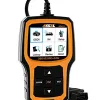
Connect the scanner to the diagnostic port and log all stored fault codes. This information is crucial for diagnosing intermittent conditions contributing to P0194.
If the code does not reappear immediately after clearing, you may have an intermittent condition that can be challenging to diagnose.
Quick diagnosis for starting vehicles
Check the freeze-frame data to determine the conditions that led to the code setting. These data include:
- Engine temperature
- Vehicle speed
- Throttle pedal position
- Fuel pressure at the moment of failure
Diagnosis for vehicles that fail to start
Fuel pressure testing:
- Attach a pressure gauge to the fuel system
- Compare readings with the manufacturer’s specifications
- Check the fuel level in the tank
Fuel pump check:
- Listen for the pump operating when the ignition is turned on
- If the pump is audible but the vehicle won’t start, suspect a clogged filter
- If the pump is silent, test it with the rubber mallet method
Electrical circuit testing:
- Check voltage at the fuel pump connector
- If there is no voltage, trace the circuit to the fuse box
- Test the fuel pump relay and connections to the PCM
Detailed Diagnostic for the Fuel Pressure Sensor
Sensor operation
The fuel pressure sensor is a variable-resistance type. As pressure increases, resistance decreases, allowing the voltage to rise. Conversely, when pressure falls, resistance increases, causing voltage to drop.
Required equipment
- OBD2 scanner or code reader
- Digital multimeter
- Manufacturer’s service manual
Testing steps
1. Reference voltage check:
- Disconnect the sensor electrical connector
- Measure the reference voltage (usually 5V)
- Check the manual for the exact value
2. Ground wire testing:
- Check the ground wire continuity to the PCM
- Measure resistance (should be near zero)
3. Sensor testing:
- Use the manufacturer’s resistance chart
- Compare measured values with specifications
- Replace the sensor if not within tolerances
4. Checking the circuit to the PCM:
- Disconnect the PCM connector
- Measure resistance between the sensor and the PCM
- Repair defective circuits as needed
Solutions and Recommendations
Replacing components
If the diagnostic confirms a fault in a specific component, replacement should be performed according to the manufacturer’s specifications. For the fuel pressure sensor, use only genuine parts or high-quality equivalents.
Special considerations for the PCM
If all checks indicate the PCM may be faulty, keep in mind that:
- PCM failures are rare
- Replacement requires specialized reprogramming
- Costs can be significant
- It is advisable to recheck all other components
Preventive measures
To prevent recurrence:
- Replace the fuel filter according to the maintenance schedule
- Use quality fuel
- Avoid driving with a near-empty fuel tank
- Periodically inspect the fuel delivery system