- P0001 signals an open circuit in the fuel pressure regulator control.
- Common-rail diesels and some GDI engines show this fault.
- Symptoms include check engine light, hard starts, limp mode, and rough idle.
- If unrepaired, injector damage and catalytic converter issues may occur.
P0001: Fuel pressure regulator open circuit
The P0001 error code is one of the most complex and challenging to diagnose within the fuel delivery system. This technical issue refers to an open circuit in the fuel pressure regulator control circuit and can seriously affect engine performance. Although not very common, P0001 requires a methodical approach to resolve correctly.
This fault predominantly appears on diesel engines with a common-rail system and on some gasoline direct-injection engines, and has been reported across brands such as Ford, Volkswagen, BMW, Audi, Mercedes-Benz, and Mazda.
Understanding the P0001 error code
P0001 is an OBD-II code signaling an open circuit in the fuel pressure regulator control circuit. In simple terms, the engine management system (ECU) cannot communicate properly with the regulator due to an electrical interruption.
Functioning of the fuel pressure system
The modern fuel delivery system works on the principle of maintaining a constant and controlled pressure in the fuel rail. The central component is the high-pressure fuel pump, which can generate pressures between 200-2000 bar, depending on the engine type.
The fuel pressure regulator continuously communicates with the ECU to modulate pressure according to:
- Engine load
- Engine speed
- Engine temperature
- Position of the accelerator pedal
When the circuit interrupts, the regulator remains stuck in the “open” position, which can cause pressure that is too low or too high in the system.
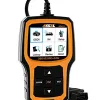
Related codes: P0002 (low circuit), P0003 (high circuit), P0004 (intermittent circuit)
Characteristic symptoms of the P0001 error
Immediate symptoms
- Check Engine light remains on on the instrument cluster
- Difficulties starting the engine, especially when cold
- Entering limp mode with power limited to about 30-40%
- Unstable idle RPM with possible misfires
Symptoms while driving
- Significant power loss during accelerations
- Delayed throttle response
- Rough operation at mid to high RPM
- Increased fuel consumption by up to 20-30%
- High emissions detectable at emissions tests
Advanced symptoms (if not repaired)
- Injector damage due to uncontrolled pressure
- Catalytic converter issues due to incomplete combustion
- Premature engine wear
Main causes and technical analysis
Wiring problems (80% of cases)
Wiring deterioration:
- Broken wires due to engine vibrations
- Corrosion from road salts
- Mechanical damage from improper handling
- Aging insulation
Rodent intrusion:
- Very common in rural areas
- Rodents attracted by certain plastics
- Can cause selective damage to some wires
Connector problems (15% of cases)
Corrosion:

- Water ingress into the engine bay
- Road salt during winter
- High humidity in certain climates
Loose connectors:
- Engine vibrations can loosen connections
- Improper installation after previous service
Component defects (5% of cases)
Regulator solenoid:
- Normal wear after 150,000-200,000 km
- Mechanical sticking due to deposits
- Damage from electrical overstress
Fuel pump:
- Failure of integrated sensors
- Issues with internal control circuits
Professional step-by-step diagnosis
Required equipment
- Professional OBD scanner (not generic)
- High-precision digital multimeter
- Oscilloscope for signal analysis
- Vehicle-specific electrical diagrams
Step 1: Preliminary check
Code confirmation: Use at least two different scanners to confirm P0001. Generic scanners can read this code inaccurately.
Context analysis:
- Check the error code history
- Note the conditions under which the fault occurs
- Check for related codes (P0002, P0003, P0004)
Step 2: Detailed visual inspection
Fuel pressure regulator area:
- Locate the regulator on the fuel rail
- Visually inspect the main connector
- Look for signs of oil or fuel in the area
- Check for signs of overheating
Main wiring:
- Trace the wires from the regulator to the ECU
- Check wiring protection in high-temperature zones
- Look for areas with mechanical wear
Step 3: Advanced electrical testing
Voltage measurements:
- Supply voltage: 5V or 12V (per specifications)
- Reference voltage: 0.5-4.5V variable
- Ground voltage: 0V constant
Resistance testing:
- Solenoid coil resistance: 2-50 ohms (varies by model)
- Wiring continuity: below 1 ohm
- Insulation to ground: above 10 megaohms
Signal analysis: Using an oscilloscope, check:
- PWM signal shape from the ECU
- Signal frequency (usually 100-1000 Hz)
- Regulator response time
Repair solutions and costs
Wiring harness repair
For minor damage:
- Cleaning and protecting connectors: 150-250 RON
- Spot repair of wires: 200-400 RON
For extensive damage:
- Complete wiring harness replacement: 400-800 RON
- Rodent protection: 100-200 RON
Component replacement
Pressure regulator:
- OEM parts: 400-1200 RON
- Quality aftermarket: 250-800 RON
- Labor: 200-400 RON
Fuel pump:
- Diesel common rail: 2000-4500 RON
- Gasoline direct injection: 1500-3500 RON
- Complex labor: 500-1000 RON
Diagnosis and calibration
Specialized service:
- Complete diagnostic: 200-400 RON
- Calibration after repair: 100-200 RON
- Final system test: 50-100 RON
Preventing future issues
Preventive maintenance
Every 15,000 km:
- Visual inspection of wiring
- Testing connectors for corrosion
- Checking fuel pressure
Annually:
- Protective cleaning of connectors
- Checking rodent protection
- Testing electrical signals
System protection
Against rodents:
- Install protective mesh
- Use ultrasonic repellents
- Periodic inspection of access areas
Against corrosion:
- Apply connector protectant
- Seal critical areas
- Avoid high-pressure washing near the ECU
When to seek specialized assistance
Contact a service specialized in injection systems if:
Critical situations:
- The vehicle won’t start at all
- Limp mode activates frequently
- Multiple error codes appear
Technical limits:
- No access to professional diagnostic equipment
- Electrical diagrams are unavailable
- Preliminary tests do not identify the cause
Safety considerations:
- Working with high-pressure systems requires special precautions
- Incorrect testing can cause costly damage
- Risk of fire when working with fuel
Choosing the right service
Look for workshops with:
- Brand-specific vehicle experience
- OEM diagnostic equipment
- Certifications for injection systems
- Warranty on repairs
Note: Always refer to the vehicle’s technical manual for exact values and procedures. Specifications can vary significantly between different brands and models.