- P0761 signals a fault in Shift Solenoid C, affecting automatic gear changes.
- PCM monitors solenoid performance; mismatch with desired torque converter value triggers code.
- Symptoms include rough shifts, limp mode, overheating, poor fuel economy, or CEL.
- Causes span faulty solenoid, hydraulic or electrical problems, or mechanical wear.
The P0761 error code indicates a fault in the operation of Shift Solenoid C for gear changes, a fairly common diagnostic code on vehicles with automatic transmissions. This issue can significantly affect vehicle performance and must be addressed promptly to avoid more serious transmission damage.
Modern automatic transmissions rely on a complex system of electronically controlled solenoids to manage gear changes, and any malfunction in this system can compromise the vehicle’s optimal operation.
What the P0761 Code Means
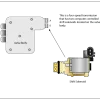
The Powertrain Control Module (PCM) has detected weak performance of the Shift Solenoid C for gear changes. The computer-controlled automatic transmission uses shift solenoids to manage the transfer of hydraulic fluid between hydraulic circuits and to initiate gear changes.
These solenoids are responsible for directing hydraulic pressure at the right moments, ensuring smooth and precise transitions between gears. The specific Shift Solenoid C is dedicated to certain gears, depending on the transmission configuration.
Parameter Settings and Detection Conditions
Parameter settings vary considerably from one manufacturer to another. In practice, each system uses complex calculations based on:
- Throttle position
- Engine load
- Engine RPM
- Vehicle speed
- Transmission fluid temperature
- Hydraulic circuit pressure
The PCM constantly monitors the solenoid performance and compares the desired torque converter values with the actual ones. If the desired torque converter value does not match the actual within a certain time window, a fault code will be stored and the check engine light will illuminate.
Symptoms of the P0761 Code
Symptoms can vary considerably in intensity and may include:
Operating Symptoms
- Abnormal gear shifts (rough, delayed, or irregular)
- Inability to shift certain gears
- Transmission “stays” in certain gears
- Entering limp mode
Secondary Symptoms
- Transmission overheating
- Poor fuel efficiency
- Unusual vibrations or noises from the transmission
- Check engine light illumination
In some cases, the vehicle may run seemingly normally, but the code remains stored in the PCM memory, indicating a intermittent problem.
Common Causes of the P0761 Code
Direct Solenoid Issues
- Faulty Shift Solenoid for gear changes
- Clogging or internal wear of the solenoid
- Wiring or solenoid connector problems
Hydraulic Problems
- Hydraulic blockages inside liquid passages
- Low transmission fluid level
- Degraded or contaminated transmission fluid
- Failures of the hydraulic pump
Electrical Problems
- Defective PCM or improper programming
- Faulty Transmission Control Module (TCM)
- Issues in the power supply circuit
Mechanical Problems
- Faulty torque converter
- Internal transmission wear
- Problems with the valve body
Common Misdiagnoses
Technicians frequently report misdiagnosing solenoid circuit faults as the primary cause of this code. Replacing solenoids without a full diagnostic workup can be erroneous and costly.
It is important to perform a systematic diagnosis to identify the real cause, since the issue may lie in electrical supply, hydraulic pressure, or PCM programming.
Step-by-Step Diagnostic Process
Required Equipment
- Professional OBD2 scanner
- Digital voltmeter and ohmmeter
- Transmission pressure gauge
- Fluid temperature thermometer
Preliminary Checks
1. Checking the transmission fluid Ensure that the transmission fluid level complies with the manufacturer’s specifications and that the fluid is in good condition. Fluid that smells burnt or has a dark color is certainly inadequate and should be replaced.
2. Visual Inspection Visually inspect all wiring and connectors. Look for burned, corroded, or shorted harnesses and replace affected circuits and connectors as required.
Electrical Diagnostics
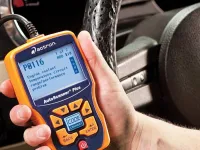
3. Code Scanning Connect the scanner to the diagnostic connector and note all error codes. This information can be very useful in diagnosing intermittent conditions.
4. Road Test After clearing the codes, drive the vehicle to see if the code reappears. If the code does not reappear immediately, you may have an intermittent condition.
Hydraulic Checks
5. Pump Pressure Testing If the code returns and the transmission does not operate normally, check the pump pressure using a manual gauge. Compare conclusions with the manufacturer’s specifications.
6. Solenoid Testing Check the solenoid voltage and ground signals. Use the scanner to attempt manual activation of the solenoid and verify its operation.
Repair Procedures
For Fluid-Related Issues
If the problem is caused by a low fluid level, add enough fluid and check for leaks. Repair any leaks identified and retest the system.
For Electrical Issues
Repair or replace defective circuits or connectors. Always retest the system to ensure the repair was successful.
For Mechanical Issues
Replacing the pump will require removing the transmission and partial disassembly—a complex operation requiring specialized experience.
Preventive Recommendations
To avoid the appearance of this code in the future:
- Perform transmission fluid replacement according to the maintenance schedule
- Regularly check the transmission fluid level and condition
- Avoid aggressive driving that can strain the transmission
- Seek prompt service at the first sign of abnormal transmission operation
Correct diagnosis of the P0761 code requires a systematic approach and specialized equipment. If you lack the necessary expertise, it is recommended to consult a specialized auto service to avoid costly and unnecessary repairs.