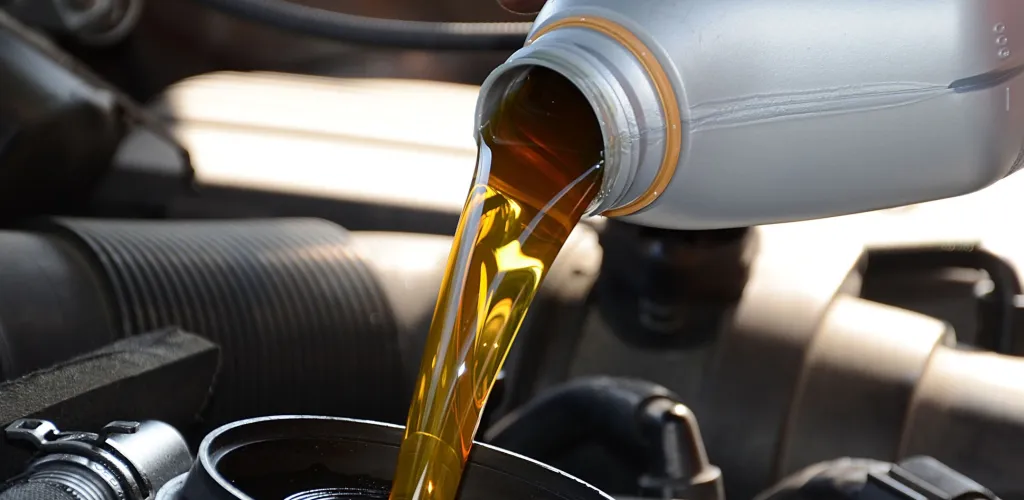
- Ticking at startup signals thickened oil failing to reach valve train
- Rough idle and excessive vibrations indicate degraded oil reducing lubrication
- Reduced performance and weak acceleration due to oil viscosity loss
- Metallic noises and knocking mean serious bearing wear from neglected oil
Motor oil is the lifeblood of your car, ensuring optimal lubrication of all moving components. When oil loses its properties or becomes contaminated, the engine begins to give clear warning signals. Ignoring these symptoms can lead to premature wear or even serious engine damage.
While maintenance schedules recommend oil changes at certain intervals, there are situations when the engine needs attention before the term. Recognizing these signs can save your engine and thousands of lei in costly repairs.
Ticking sound at engine startup
A ticking sound at startup, especially in the morning or after the car has been parked idle for several hours, is the first warning sign. While the engine runs, the oil pump continuously circulates lubricant through the oil pan of the engine and around the valve area.
When oil becomes worn and contaminated due to heat and friction, it thickens and can no longer circulate efficiently through the narrow passages of the lubrication system. The result is a distinct ticking at the valve train, because the oil takes longer to reach the intake and exhaust valves to lubricate them properly.
This noise may be mistaken for timing belt tensioner issues or valve lash, but it usually disappears after a few minutes of operation as the oil warms up.
Rough idle and excessive vibrations
An engine that vibrates excessively at idle or produces an unstable idle may indicate degraded oil. The oil film protects pistons, rings and cylinder walls, reducing friction to a minimum.
When oil loses its lubricating properties, friction between moving components increases significantly, resulting in:
- Vibrations felt in the steering wheel and seats
- Subtle metallic noises from the engine
- Rough idle or fluctuating idle
- Difficulty maintaining a constant engine rpm
These symptoms are more pronounced on high-mileage engines, where clearances between parts are already increased.
Reduced performance and weak acceleration
A well-lubricated engine runs smoothly and develops its optimal power. When the oil becomes old and loses the ideal viscosity, internal friction rises dramatically, and the engine cannot operate at normal parameters.
Symptoms include:
- Slow acceleration and lack of power
- The engine seems to stumble on acceleration
- Fuel consumption increases
- Throttle response becomes soft
- Difficulties in overtaking or climbing hills
These problems are the result of energy lost to friction, energy that should be transmitted to the wheels.

Metallic noises and knocking in the engine
The most serious consequence of neglecting oil changes is the onset of metallic noises in the engine, known as knocking. This sound, similar to a stone rolling around inside the engine, indicates severe wear of main bearings or connecting rod bearings.
Knocking manifests as:
- Rhythmic metallic knocking at idle
- Noise intensifies as RPM rises
- Vibrations transmitted throughout the vehicle
- In extreme cases, loss of engine power
Unfortunately, once this stage is reached, a simple oil change will not solve the problem. The engine requires major repairs or even replacement.
Oil pressure warning light
The oil pressure warning light on the dashboard is the final safety system. When this light comes on, it means oil pressure has fallen below the safe limit for engine operation.
Causes can be multiple:
- Low oil level in the sump
- Faulty oil pump
- Oil too thin due to contamination
- Clogged oil filter
- Engine noises indicating serious problems
Important: When the oil light comes on, stop the engine immediately and do not continue driving. Operating with inadequate oil pressure can completely destroy the engine in a few minutes.
How to prevent these problems
To avoid reaching the situations described above, follow these recommendations:
Change intervals
- Mineral oils: 5,000-7,500 km or 6 months
- Synthetic oils: 10,000-15,000 km or 12 months
- Severe conditions: reduce intervals by 25-30%
Regular checks
- Check the oil level monthly with the dipstick
- Observe the oil color and consistency
- Be attentive to unusual engine noises
- Monitor warning lights on the dash
Oil quality
Always choose an oil that meets your car manufacturer’s specifications. A lower-quality oil can cause problems even at short change intervals.
Conclusion
Early recognition of the signs indicating an oil change is essential to protect your engine from costly damage. Ticking on startup, rough idle, weak acceleration and metallic noises are all warning signals that should not be ignored.
Remember that preventive maintenance is always cheaper than major repairs. A regular oil change, in accordance with the manufacturer’s recommendations, is the best investment you can make for the longevity of your car’s engine.