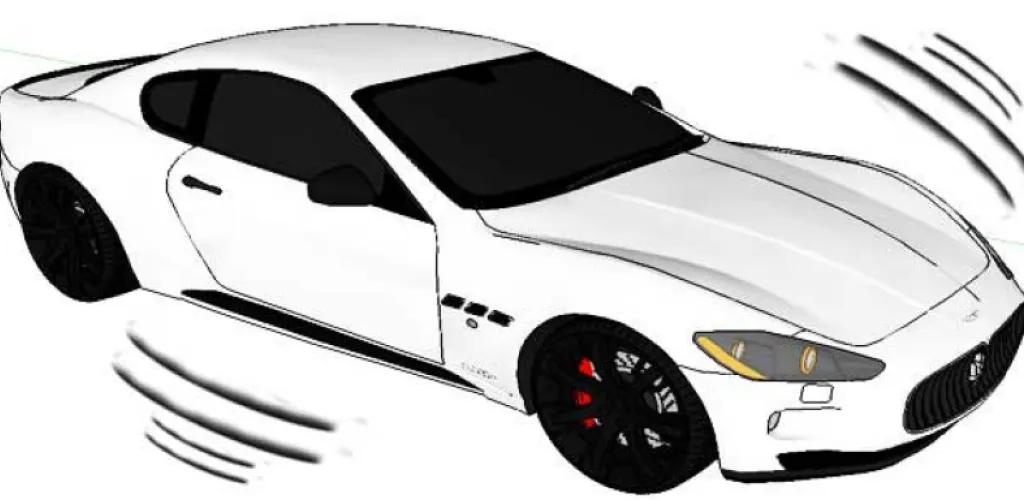

- Worn tires commonly cause vibrations due to loss of smoothness.
- Improperly balanced wheels cause vibration above 80–100 km/h.
- Braking-related vibration points to worn brake discs or calipers.
- Vibrations in the steering wheel may come from bearings, axles, or power steering.
Over time, cars can fail, a normal consequence of wear and tear, and their performance can decline. The earlier the problems are noticed and remedied, the lower the costs associated with the repairs.
One of the most common unpleasant situations encountered by drivers is represented by the vibration / trepidation of the car while driving. These tremors can have many causes, from problems with the car tires, the braking system, the wheels or other components that no longer work according to standards.
Although it may seem like it might not be serious, not resolving these vibrations in time can lead to problems with the car’s suspension. Below we present the most common causes of tremors.
Most of the time, the appearance of vibrations is related to the condition of the tires. Due to the fact that they are subject to an intense phenomenon of wear as per the nature of the function they perform, old tires lose their original characteristics which contribute to a smooth running and because of blunting, contribute to the vibrations of the car.

If you are sure that the problem is caused by tires, it is good to invest in a new set. But be careful to eliminate any other possible cause so as not to spend your money unnecessarily.
Incorrectly balanced wheels
If the wheels are not properly balanced, vibrations may occur while driving. If we are used to mounting summer and winter tires on the same set of rims, it is good to balance the wheels every time.
This process involves adding small weights / leads to each wheel. In case they are not balanced, the wheels could vibrate starting from speeds over 80km / h and up to 100 km / h. What is noteworthy is that after this speed, it is possible that the tremors might disappear.

Oval discs
If you find that the problem occurs when braking, it is good to check the brake mechanism, namely the pads, calipers and discs. These can be damaged and will need to be replaced after about 80,000 km each.
Bearing problems
If the vibration is felt on the steering wheel, it is advisable to check the wheels of the car. If the rotation of a wheel is improper, vibrations will occur as you drive. Usually, the cause is located at the level of the bearings or at the level of the connecting rods. It is just as likely that the problem will occur at the ends of the bar.

If the vibrations only appear when you turn, you may have problems with the power steering. What you can do in this case is to check the power steering hose for fluid leaks. Check the fluid level for any leaks.
Damaged vehicle axle
If the axles of the vehicle no longer fall within the standard parameters, vibrations will occur as a result of bending or damage. If the axles are to blame, you will notice that as you increase the speed, the vibration will increase in intensity. It is also advisable to check the planetary gears or cardan shaft for any damage or signs of failure.
If, on the other hand, the steering system is affected, a problem that occurs more frequently in older cars, due to wear and tear, you will notice that the problems occur during the turning maneuver. Check the technical condition of your car in a specialized service.
There is a close connection between the bearings located at the wheels and the directional box. The bearings are the ones that ensure the free rotation of the wheels. If wear occurs, the bearings can no longer perform their function and thus vibrations and rumbling occur.

Damaged rims
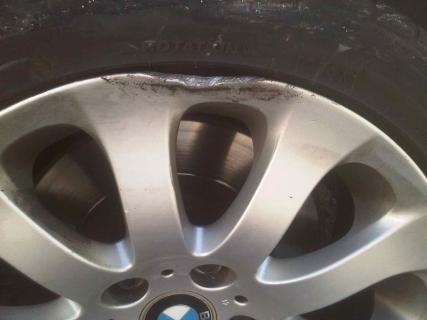
Wheel damage is an extremely common cause. Due to carelessness or due to a poor condition of the roads we are driving on , it is possible that the rims suffer damages, most often by bending.
Although it may seem an minor problem, it is good to fix the situation as soon as possible, because a bent rim causes tremors while driving at high speeds, but can also lead to lower tire pressure, exposing the driver and passengers to serious dangers.
Another cause that can cause vibration is the motor. If the problem occurs during normal driving or during increased speed, it is very possible that the problem comes from the engine.
It usually occurs when the mixture of air and fuel is inadequate, or there are problems with the spark plug. A first step in remedying the situation could be to check and replace the spark plug and air filter. In case the situation is not remedied, it is advisable to pay a visit to the mechanic.
Regardless of the cause that determined the appearance of the problem, it is advisable to remedy the situation as soon as possible in order to avoid the worsening of possible defects as well as the exposure to serious, and especially, unnecessary dangers.
Photo source: liveabout.com, bestnetreview.com, meineke.com, bimmerforums.com