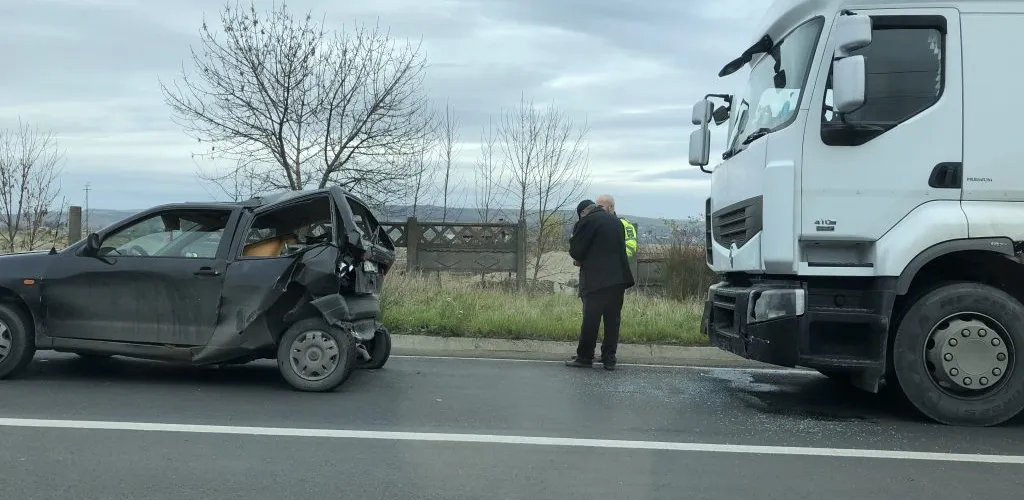
- Press and hold the brake immediately to minimize movement on impact.
- Urban: 10–20 m; over 100 km/h: larger; highway: at least 65 m.
- Start-line technique: in first gear with clutch pressed, check mirrors, advance 7–10 m.
- Most rear-end collisions are avoidable; stay vigilant and drive defensively.
Rear-end collisions are among the most common road incidents, and how you react in those moments can mean the difference between minor damage and serious consequences. Whether you are stopped at a traffic light, in traffic, or on the highway, knowing the correct procedures and defensive driving techniques can save lives and significantly reduce material damage.
This guide covers immediate actions, defensive driving rules, and highway-specific safety practices to help you stay safe and minimize the impact of rear-end crashes.
What to do immediately when you realize you will be rear-ended
When you realize the car behind you can no longer stop in time and impact is inevitable, your immediate reaction is crucial. According to Titi Aur, a defensive driving expert, the first and most important move is to press the brake pedal and keep it pressed.
Brake and hold the brake! - this is the first fundamental principle. By keeping your foot firmly on the brake pedal, you will prevent your car from being pushed harder into the car in front or into the intersection. Even if the impact is strong, at least you will minimize the uncontrolled movement of the vehicle.
However, prevention is the most important aspect. If you stopped directly against the bumper of the car in front and you notice that the car behind you is coming at speed and cannot stop, you don’t have many options. In this situation, all you can do is keep your foot on the brake and prepare for impact.
Defensive driving techniques to prevent rear-end collisions
The most effective way to avoid being hit from behind is to practice preventive driving and always maintain a safe following distance.
The stopping distance rule
“But it is also mandatory to ensure that the one behind you does not hit you,” emphasizes the specialist. Every time you stop—whether in urban traffic, on rural roads, at a traffic light, at a stop, or at a level crossing—do not stop close to the car in front or close to the intersection.

Recommended distances:
- In urban traffic: stop 10-20 meters behind the vehicle in front
- At speeds over 100 km/h: maintain an even larger distance
- On the highway: minimum 65 meters (half of the legal speed)
The driver’s start-line technique
An advanced defensive driving method is to adopt the “start-line driver” position. This means:
- Keep the car in first gear with the clutch pressed
- Constantly check the rearview mirror
- Be prepared to advance quickly if the situation requires
If you notice the vehicle behind you coming fast and unable to stop, advance quickly by 7–8–10 meters to create extra safety space.
Responsibility and avoidance
Although in 99.9% of cases the legal fault lies with the person who rear-ends you, the reality is that you, as a careful driver, can do a lot to prevent ending up in this situation. “In 99.9 percent of cases, you can do something before a possible hit to avoid ending up there,” explains Titi Aur.

Special procedure for highway driving
The highway presents specific risks due to high speeds and dense traffic, requiring heightened attention and particular safety techniques.
Safe stopping rules on the highway
When traffic is stopped on the highway due to an accident or blockage, the correct procedure is:
Do not stop beside another vehicle - this rule is fundamental for your safety. Even if it seems extreme, stop at 100–150 meters behind the line of cars.
Anticipate chain-reaction impacts - as the specialist says: “If a Matiz comes from behind, wait for the truck to come as well and only then move forward. Because the truck could arrive with the Matiz and mount a Matiz into your trunk.”
The problem of highway traffic in Romania
Romanian highways present unique challenges due to the varied behavior of road users. According to the specialist, “in Romania if you drive on the highway it is almost impossible to drive correctly.”
The extremes that create problems:
On Lane 1:
- Trucks legally traveling at 90 km/h
- Drivers who drive below the minimum limit (70 km/h or less)
- Very slow vehicles blocking the traffic lane
On Lane 2:
- Drivers who exceed the legal speed (150–180 km/h)
- Aggressive behavior toward those who respect the speed limit
- Constant pressure to overtake
The solution for safe driving
To improve highway safety, all road users should follow a few basic principles:
- Respect speed limits - 120–130 km/h is the optimum speed for safe and efficient circulation
- Use lanes correctly - Lane 1 for normal traffic, Lane 2 for overtaking
- Avoid extreme speeds - neither too high nor too low
- Mutual respect - understanding that every user has the right to safety
As the expert notes: “Abroad they drive correctly, and in Romania most drive incorrectly, and then, without realizing it, you end up driving incorrectly too.” Changing this behavior begins with every driver individually.
Practical takeaways for your safety
To minimize the risk of being rear-ended and to protect your life and physical safety:
- Always maintain a safe following distance - adjust it according to your speed
- Constantly check the rearview mirror - stay aware of traffic behind you
- Do not stop close to the vehicle in front - leave space for emergency maneuvers
- Be prepared to react - keep the car in gear when stopping briefly
- Brake on impact - if the collision is unavoidable, keep your foot on the brake
- Practice defensive driving - anticipate others’ mistakes
Remember: although the law clearly assigns fault in rear-end collisions, prevention is the best strategy. Knowing and applying these defensive driving techniques can make the difference between a safe journey home and a serious accident.
sursa foto: https://republikanews.ro/