- Store in a covered, heated garage to prevent freezing, condensation, and battery problems
- Replace and top up all fluids before storage to avoid corrosion and freezing
- Perform a full service: oil, filters, air, fuel, cabin, and spark plugs
- Tire care: inflate 0.5 bar above recommended, use stands, rotate wheels if possible
Many vehicle owners store their cars for extended periods, whether to shield them from harsh winter weather or for practical reasons. Whether you’re traveling abroad, you own a summer-only convertible, or you possess a valuable classic car, proper preparation for hibernation is essential to keep the vehicle in peak condition.
Incorrect storage can lead to costly problems: discharged batteries, frozen fluids, deteriorated tires, or even rodent infestations. With proper preparation, you can avoid these issues and return to a car that’s in perfect working order.
Choosing the ideal storage location
First and foremost, the best option is to leave the car in a covered and ideally heated garage. Just as people need warmth to feel comfortable, your car will benefit enormously from a controlled environment. The old saying among auto enthusiasts goes: “if it’s cold for you, it’s cold for it” — this principle applies perfectly.
An heated garage prevents:
- Freezing of fluids in automotive systems
- Condensation forming on metal components
- Deterioration of rubber and plastic components
- Battery problems in extreme temperatures
Changing and topping up fluids
Before storage, it is essential to replace and top up all important fluids of the car. A long period of stationary use can cause corrosion of internal systems, and lower temperatures can freeze old or contaminated fluids.
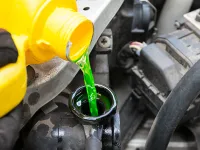
Antifreeze and cooling system
Fresh antifreeze will:
- Protect the engine from freezing down to -35°C or lower
- Prevent rust in the cooling system
- Maintain an optimal pH for system components
Engine oil and filters
Changing the oil before hibernation is crucial. Used oil contains:
- Acids that can corrode metal components
- Abrasive particles that settle
- Expired additives that no longer protect the engine
Performing a full service
Perform a full service before hibernation. This includes changing the oil and all filters. Oil that has been used for a long period loses chemical and physical properties, no longer lubricates engine parts properly, and residues deposit because they are not efficiently filtered by the oil filter.

Components of a winterization service:
- Air filter: A clean filter prevents impurities from entering
- Fuel filter: Ensures fuel quality
- Cabin air filter: Protects the interior from mold and odors
- Spark plugs: Check and replace if necessary
Tire care
Tires can suffer during long-term storage, especially those on the drive axle which bear more weight. Common problems include:
Formation of a flat spot
Over time, tires lose air and can deform at the contact patch. To prevent this:
- Inflate tires 0.5 bar above the recommended pressure
- Put the car on stands if storage lasts over 6 months
- Rotate the wheels periodically if possible
Regular checks
A car that isn’t used at all will deteriorate faster than one started occasionally. If you can’t take it for a drive, ask someone to do so for you at least once a month.

Pay attention to the handbrake
Be careful not to leave the handbrake engaged for a long period, especially if the car is parked outside in cold temperatures. Cables and pads can freeze and remain locked.
Safe alternatives:
- Leave the car in gear (first or reverse)
- Place a block of wood or a brick behind the wheels
- These are essential especially if the car is parked on a slope
Battery protection
The battery is one of the components that suffers most during hibernation:
- Disconnect the negative terminal to prevent parasitic discharge
- Use a maintenance charger if you have access to power
- Check the electrolyte level in batteries with service
- Clean terminals and apply vaseline to prevent corrosion
Pest protection
Be wary of certain creatures — mice and rats can enter the car even when it’s closed. They are direct enemies of stored cars, devouring cables and upholstery, leaving an unpleasant odor.
Preventive measures:
- Place traps around the car
- Use mothballs in the engine compartment
- Check for rodent traces periodically
- Remove any food remnants from inside the car
Fuel system preparation
Old fuel can cause serious problems:
For petrol:
- Fill the tank completely to prevent condensation
- Add a fuel stabilizer
- Let the engine run for 10 minutes after adding the stabilizer
For diesel:
- Add a biocidal additive
- Check the water filtration system
- Fill the tank completely to minimize condensation
Exterior protection
Before hibernation:
- Wash and wax the car to protect the paint
- Apply a protective coating to all plastic surfaces
- Check and repair any scratches to prevent rust
- Protect the tires with specialized sprays
Winterization checklist
Before leaving the car to hibernate, follow this checklist:
- ✓ Change the oil and all filters
- ✓ Fill/replace all fluids
- ✓ Check and adjust tire pressure
- ✓ Clean and protect the battery
- ✓ Fill the tank and add stabilizer
- ✓ Wash and wax the car
- ✓ Prepare the garage against pests
- ✓ Do not leave the handbrake engaged
Reactivation after hibernation
When it’s time to bring the car back to life:
- Check all fluids and levels
- Inspect tire pressure
- Reconnect the battery and test the systems
- Do a visual inspection for any damage
- Start the engine and let it warm up gradually
Proper preparation for hibernation will ensure your car is road-ready again when you need it. The time and resources invested in a proper hibernation will pay off by avoiding costly repairs and by maintaining the vehicle’s reliability.
Photo source: mypinterventures.com, officinegiaracuni.com