- Most car batteries last 2-5 years, affected by climate, driving, and maintenance.
- Difficult starting includes slow starter, multiple key turns, unusual noises, or delayed response.
- Electrical issues show as dim lights, slow windows, intermittent audio or AC.
- Engine stalls after starting due to voltage or charging problems and dashboard warnings.
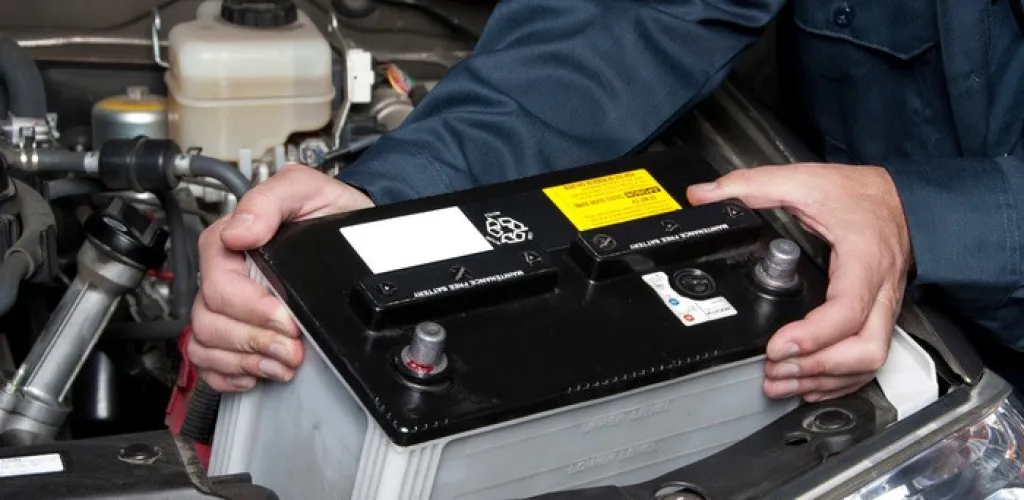
The car battery represents the heart of the vehicle’s electrical system, delivering the energy needed to start the engine and power all electronic components. Recognizing the signs that the battery is weakening can prevent inconvenient situations when you’re stranded at an inopportune moment, whether on the way to vacation or in the parking lot at work.
Most battery problems appear gradually, giving enough warnings before failing completely. Understanding these symptoms and knowing practical solutions can save you from stress and unforeseen costs.
Factors influencing battery life
Most car batteries operate optimally between 2-5 years, this period influenced by several essential factors:
- Extreme climatic conditions - severe cold or excessive heat accelerate degradation
- Driving style - short, frequent trips don’t allow full charging
- Electrical consumption - heavy use of air conditioning, audio systems and other accessories
- Battery quality and compatibility with the vehicle’s electrical system
- Regular maintenance and cleaning of terminals
- Storage duration - unused vehicles for long periods are more susceptible
Experience shows that most failures occur in the cold season, when the battery must provide more energy to start the engine at low temperatures.
Main symptoms of a defective battery
Difficult engine starting
The most obvious sign of a weak battery is how the engine behaves when starting. Watch for:
- Starter motor turning slowly - the typical sound becomes slower and harder
- Multiple starts required - you need to turn the key several times
- Unusual sounds - rattling or noises different from normal
- Response delay - a delay between turning the key and the engine responding
These symptoms are more pronounced in the morning or after long periods of idle time, when the alternator hasn’t recharged the battery.
Electrical systems and lighting problems
The battery powers the vehicle’s entire electrical network, so issues show up in several areas:
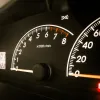
Damaged lighting:
- Headlights are dim or flicker
- Light intensity drops when you turn on the fan or audio system
- Interior lights work intermittently
- Lights go out when the engine idles
Electrical components:
- Power windows move very slowly
- The audio system stops or restarts by itself
- Air conditioning operates intermittently
- Heated seats don’t work properly

Engine stalls after starting
Sometimes the battery has enough energy to start the engine, but the engine stalls within seconds or minutes. This phenomenon indicates:
- Insufficient ability to sustain the necessary voltage
- Damaged cells inside the battery
- Problems with the alternator’s charging regulation
- Excessive electrical consumers that drain too much energy
Visual indicators on the dashboard
Modern vehicles are equipped with monitoring systems that provide visual warnings:

- Battery warning light on - red battery symbol on the dash
- Intermittent warning lights - warning lamps flicker uncontrollably
- Central display affected - information disappears or displays incorrectly
- On-board computer resets itself while driving
A note: these symptoms can also indicate issues with the alternator or voltage regulator, not just the battery.
Physical deformities of the battery case
The battery contains chemicals that react differently at extreme temperatures:
Effects of cold:
- Electrolytes may freeze completely
- The case can crack due to ice expansion
- The ability to deliver current drops dramatically
Effects of heat:
- The case swells and deforms
- Electrolytes evaporate faster
- Internal plates may deform
If you notice the battery no longer has its usual rectangular shape, replacement becomes urgent.
Excessive corrosion on terminals
A clear visual indicator of problems is corrosion on the battery terminals:
Appearance of corrosion:
- White, greenish, or blueish powdery substance
- Crystallized deposits around terminals
- Characteristic ammonia odor near the battery area
Main causes:
- Battery acid leaks
- Chronic overcharging
- Old battery age
- Faulty mounting that allows vibrations

Important: Even if you clean the battery terminals, corrosion will return quickly if the battery is worn and needs replacement.
Unusual smells
A deteriorated battery can develop distinct smells that warn of internal issues:
- Rotten egg odor - hydrogen sulfide produced by faulty chemical reactions
- Acidic sour smell - electrolyte leaks
- Burnt plastic odor - overheating of internal components
These smells are stronger during charging or immediately after starting the engine.
Battery age
Even premium batteries have a limited lifespan:
- 0-2 years: Optimal operation
- 2-3 years: Beginning of gradual decline
- 3-4 years: Regular checks recommended
- 4-5 years: Preventive replacement recommended
- Over 5 years: Urgent replacement advised
Testing and professional diagnosis
Testing with a digital multimeter
You can assess battery health with a simple multimeter:
Normal voltages:
- 12.6-12.8V with the engine off (fully charged battery)
- 13.5-14.5V with the engine running (charging system functional)
- Minimum 10.5V during cranking
Testing procedure:
- Stop the engine and disconnect all electrical loads
- Wait 15 minutes for voltage stabilization
- Connect the multimeter to the battery terminals
- Start the engine and check the charging voltage
Specialized professional tests
Capacity (Ah) test:
- Measures the actual energy stored
- Compares result to manufacturer specifications
- Indicates the battery’s wear percentage
Cold Cranking Amps (CCA) test:
- Measures ability to deliver current at -18°C
- Essential for winter operation
- The most relevant parameter for Romania’s climate
Internal resistance test:
- Assesses energy transfer efficiency
- Identifies damaged cells
- Predicts remaining life
Solutions for starting with a discharged battery
Drawing current from another vehicle
The most common temporary solution is jump-starting with jumper cables:
Equipment needed:
- High-quality jumper cables (minimum 400A)
- A vehicle with a functional battery
- Protective gloves
Correct procedure:
- Bring the vehicles close without touching
- Turn off both engines and lights
- Connect the red cable to the positive terminals
- Connect the black cable to the negative terminal of the good battery
- Attach the other end of the black cable to a metal engine block on the problem vehicle
- Start the donor vehicle, then the one with the issue

Warning: After starting, go ahead and replace the battery or have it tested professionally, as the problem will likely recur.
Portable jump starter
These compact devices offer complete independence:
Advantages:
- No other vehicle needed
- Ideal for trips in remote areas
- Can charge other electronic devices
- Compact size for the trunk
Recommended specifications:
- At least 12,000-15,000 mAh
- Peak current 400-600A
- Overcurrent/ polarity protection
- Integrated LED flashlight
Push-start (manual transmission only)
Procedure:
- Put the transmission in second gear
- Turn the key and depress the clutch
- Push the vehicle or let it roll downhill
- At about 15-20 km/h, release the clutch abruptly
- Press the accelerator as the engine starts
Limitations:
- Does not work on modern direct-injection vehicles
- Risk of damage to the catalytic converter
- Inefficient with batteries that are completely discharged
Main causes of premature degradation
Operating factors
Repeated deep discharges:
- Leaving lights on
- Using the audio system with the engine off
- Prolonged parking with alarm active
- Parasite electrical loads draining the battery
Extreme operating conditions:
- Temperatures below -20°C or above +50°C
- Constant high humidity
- Excessive vibrations from mounting defects
- Exposure to de-icing salts
Vehicle technical problems
Faulty alternator:
- Chronic undercharging (below 13V)
- Overcharging (above 15V)
- Voltage fluctuations
- High discharge current
Electrical installation faults:
- Hidden short circuits
- Sticking relays
- Damaged fuses
- Corroded connections in the fuse box
Prevention and maintenance strategies
Essential periodic checks
Monthly:
- Visual inspection of the case and terminals
- Check proper mounting in the tray
- Clean corrosion deposits
- Test voltage with the engine off
Semi-annually:
- Charging test with a multimeter
- Check electrolyte level (on maintenance batteries)
- Inspect cables and connections
- Test discharge current
Annually:
- Professional capacity and CCA tests
- Check the alternator and regulator
- Full electrical system inspection
- Plan preventive replacement
Driving practices that extend battery life
Winter:
- Avoid repeated starts in short intervals
- Let the engine run for at least 20 minutes after starting
- Use the electric heater via the power outlet if available
- Keep the battery in a temperature-controlled space
Summer:
- Park in the shade when possible
- Ventilate the cabin before starting the A/C
- Do not leave the vehicle with windows closed in the sun
- Check electrolyte levels more often
Long-term parking:
- Disconnect the negative terminal for periods longer than 2 weeks
- Use a maintenance charger (trickle charger)
- Start the engine weekly for at least 30 minutes
- Avoid complete battery discharge
Professional maintenance
Cleaning terminals:
- Disconnect the terminals (negative first)
- Use a baking soda and water solution
- Scrub with a soft metal brush
- Apply petroleum jelly on terminals after reconnection
Electrolyte topping up:
- Use only distilled water
- Do not exceed the indicated maximum level
- Perform the operation with the battery cold
- Wear protective gear (glasses, gloves)
Checking the alternator:
- Charging voltage between 13.5-14.5V
- Charging current proportional to the battery’s state
- Stable operation at different RPMs
- Absence of abnormal mechanical noises
Types of batteries and selection criteria
Available technologies
Conventional lead-acid batteries:
- Price: 400-600 RON
- Lifespan: 3-4 years
- Advantages: Low cost, wide availability
- Disadvantages: Sensitive to deep discharges
AGM (Absorbent Glass Mat) batteries:
- Price: 700-1200 RON
- Lifespan: 4-6 years
- Advantages: Resistant to vibrations, maintenance-free
- Recommended for: Start-stop vehicles, powerful audio systems
EFB (Enhanced Flooded Battery):
- Price: 600-900 RON
- Lifespan: 4-5 years
- Advantages: Optimized for start-stop systems
- Disadvantages: More expensive than classic batteries
Gel batteries:
- Price: 800-1400 RON
- Lifespan: 5-7 years
- Advantages: Very resistant to extreme temperatures
- Use: Special vehicles, extreme conditions
Selection criteria
Mandatory technical specifications:
- Capacity (Ah) - must match manufacturer recommendations
- Cold Cranking Amps (CCA) - minimum values from the manual
- Physical dimensions - must fit the original battery tray
- Terminal type - compatible with existing cables
Additional factors:
- Manufacturer warranty
- Service network for free checks
- Brand reputation on the local market
- Price-performance ratio
Associated costs and budgeting
Initial investment
Car batteries:
- Entry-level: 400-550 RON
- Premium: 650-900 RON
- AGM/Start-Stop: 800-1300 RON
Light commercial vehicles:
- Vans: 600-1000 RON
- Trucks: 1200-2500 RON
- Equipment: 2000-4000 RON
Related services:
- Professional installation: 50-100 RON
- Diagnostic test: 30-50 RON
- ECU programming (new cars): 100-200 RON
Long-term savings
Preventive vs emergency replacement:
- Choosing the optimal moment for replacement
- Avoiding troubleshooting costs (200-500 RON)
- Preventing alternator damage
- Reducing the risk of breakdowns on the road
Proper maintenance:
- Extending life by 30-50%
- Reducing fuel consumption
- Preserving vehicle warranty
- Increasing resale value
Myths and misconceptions about car batteries
Common incorrect beliefs
“A bigger battery won’t hurt”:
- The amperage must meet specifications
- Oversized batteries can overburden the alternator
- The battery management system can become imbalanced
“It charges itself if you drive a lot”:
- Very worn batteries may not accept a full charge
- The alternator only compensates normal losses
- Damaged cells cannot be repaired by charging
“All batteries are the same”:
- Technologies differ substantially
- Plate and electrolyte quality varies
- Internal management systems differ
“It isn’t necessary to disconnect for charging”:
- Charging with the ECU connected can cause voltage spikes
- Modern electronics are sensitive
- Correct procedure calls for disconnecting
Validated best practices
Optimal charging:
- Charging current around 10% of capacity (e.g., 5A for a 50Ah battery)
- Charging time of 10-12 hours for a full discharge
- Charging voltage of 14.4V for lead-acid batteries
- Monitor temperature during charging
Proper storage:
- Optimal temperature between 10-15°C
- Charge to 80% for long-term storage
- Monthly checks and recharging if needed
- Store upright to prevent stratification

When to warn and replace urgently
Symptoms that require immediate replacement
Critical safety:
- Visibly cracked or bulging casing
- Acid leaks on metal components
- Persistent hydrogen sulfide odor
- Battery overheating during operation
Performance unacceptable:
- Voltage below 12.2V after 24 hours of rest
- Won’t accept charging (voltage does not rise)
- Completely discharged in under 48 hours
- Capacity below 50% of nominal
Age and wear:
- Over 5 years old regardless of apparent condition
- Three or more complete discharge episodes
- Excessive corrosion that returns quickly
- History of repeated problems
Planning preventive replacement
Optimal schedule:
- Spring – after the cold season that places high demand on the battery
- Autumn – prepare for winter when issues worsen
- Before long trips – maximum safety
- At annual service – integrate into maintenance plan
Scheduling indicators:
- Age of 3 years – begin intensive monitoring
- First minor symptom – schedule professional evaluation
- CCA test below 80% of nominal value
- Two or more hard-start episodes
Conclusion and final recommendations
The car battery is a vital component that requires proactive attention and regular maintenance. Early recognition of degradation signs can prevent:
- Costly and stressful emergency situations
- D damage to the vehicle’s electrical system
- Safety risks in traffic or isolated areas
- Additional troubleshooting and repair costs
Optimal strategy combines regular monitoring with preventive replacement. Investing in a quality battery and following a maintenance schedule ensures:
- Uninterrupted operation
- Lower long-term costs
- Increased safety during use
- Maintained vehicle performance
Final recommendation: At the first symptom, seek a complete professional evaluation. A correct diagnosis can identify whether the issue is limited to the battery or involves other components of the electrical system, saving time and money in the long run.
Additionally, always keep a set of quality jumper cables and a simple multimeter in the vehicle for quick checks - these are small investments that can make a difference in critical moments.