- Yellow beacons signal for oversize loads, hazardous-substance transport, road maintenance
- Also used by tow trucks, tractors, agricultural machinery, and street-cleaning vehicles
- Drive with caution, adjust speed, increase distance, and expect difficult overtakes
- Penalties may include fines or demerit points
Yellow beacons are one of the most common signaling devices on the road, yet many drivers don’t know exactly what obligations they have when confronted with them. This signaling plays an important role in road safety and should be treated with care.
This article explains which vehicles use yellow beacons and what drivers should do to stay safe and compliant.
What vehicles use yellow beacons
According to road traffic regulations, yellow beacons are used by several categories of vehicles performing specific tasks:
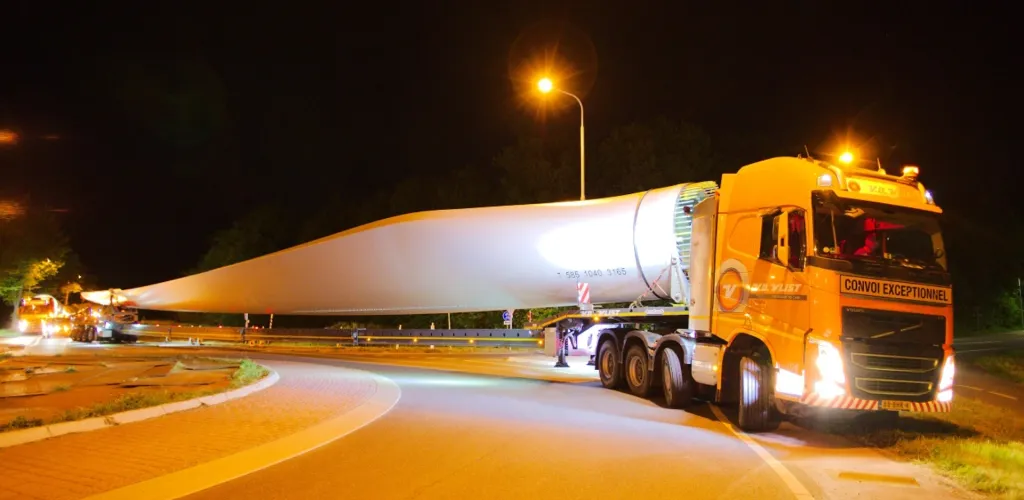
- Oversize vehicles - trucks and equipment carrying oversized loads
- Transport of hazardous substances - tanker trucks with fuels, chemicals or other hazardous materials
- Road maintenance vehicles - snowplows, road repairs, street cleaning
- Tow vehicles - tow trucks for towing stalled or damaged vehicles
- Tractors and agricultural machinery - when traveling on public roads
- Street cleaning vehicles - street sweepers and wash vehicles
Obligations for drivers when encountering a yellow beacon
When you encounter a vehicle with a yellow beacon in operation, you have the following obligations:
1. Drive with heightened caution
The yellow light is a warning signal that requires you to be more alert to the situation on the road. These vehicles may perform unusual maneuvers or travel at low speeds.
2. Adjust your speed
Reducing speed is essential, especially when the yellow-beacon vehicle is moving or carrying out works on the roadway. It isn’t about a complete stop, but about adjusting speed to traffic conditions.
3. Increase the safety distance
Overwide vehicles or those carrying out road works can stop suddenly or perform unpredictable maneuvers. A larger safety distance gives you extra time to react.

4. Be prepared for difficult overtakes
In the case of oversize vehicles, overtaking can be more challenging and require more space. Ensure you have adequate visibility and that overtaking can be done safely.
5. Follow additional signage
Often yellow-beacon vehicles are accompanied by warning panels or other signals. Respect all displayed indications.
Difference from other beacons
It’s important to understand the difference between beacon types:
- Blue beacons - used by emergency vehicles (ambulance, police, fire) - you must yield and stop if necessary
- Yellow beacons - indicate warning, you should drive with caution but there is no obligation to stop or yield
- Red beacons - used by some intervention vehicles - indicate urgency and require the same precautions as blue beacons
Penalties for non-compliance
Although yellow beacons do not impose the same strict duties as blue beacons, failing to maintain required attention can lead to:

- Fines for driving without ensuring road safety
- Demerit points for speeds not adapted to road conditions
- In case of an accident, greater liability if you did not follow the necessary precautions
Frequent practical situations
Snow removal vehicle
In winter, snow-removal vehicles with yellow beacons travel at reduced speeds. Do not try to overtake them on the side where they are working — wait for a safe moment or follow the vehicle at a distance.
Abnormal cargo transport
Oversize-load trucks are often accompanied by pilot vehicles. Respect the entire convoy and do not attempt to weave between vehicles.
Agricultural tractors
In rural areas, tractors with yellow beacons frequently travel on public roads. Their speed is very low — overtake only when you have full visibility.
Tips for safe driving
- Anticipate - when you see a yellow beacon in the distance, start reducing speed and evaluate the situation
- Be patient - many of these vehicles travel slowly out of necessity, not by choice
- Check - before overtaking, make sure there are no additional restrictions signaled
- Communicate - use signals to indicate your intentions to other road users
- Respect space - always give enough lateral space when overtaking high-width vehicles
Conclusion
Yellow beacons are an important warning system on the road, designed to prevent accidents and ensure safety for all users. While they do not require a stop or priority like blue beacons, they demand heightened attention and adjusted behavior in traffic. Understanding their meaning and following the associated obligations contributes to safer driving for everyone.