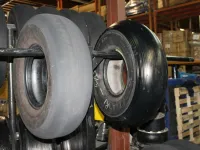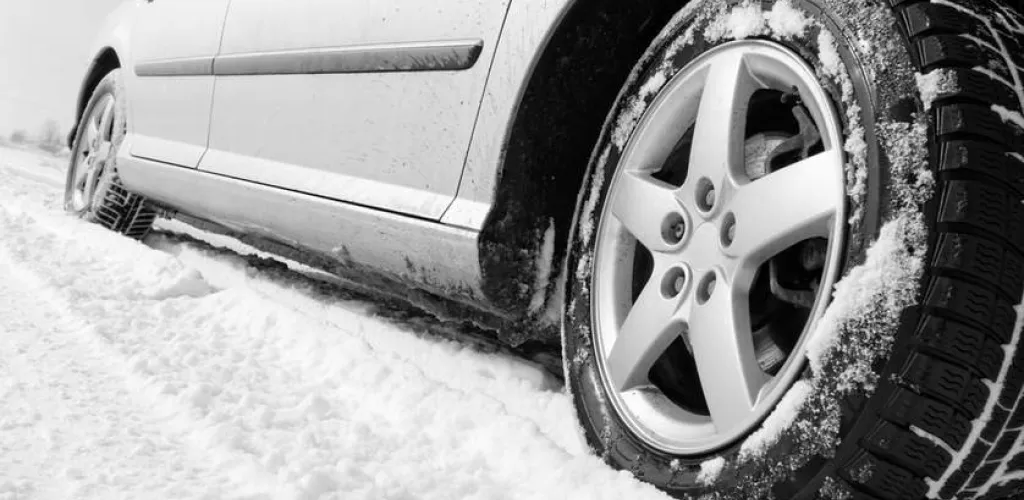
- All-season tires provide convenience but sacrifice optimal performance and fuel efficiency.
- Premium tires offer better safety, durability, and long-term cost savings.
- Sport-oriented cars should use dedicated seasonal tires for maximum grip.
- Rear-wheel-drive cars in harsh winters benefit from separate winter tires.
Tires are the only direct contact point between the vehicle and the road, making them one of the most important safety components of any car. However, many drivers neglect their importance, delaying replacement with the familiar phrase ‘one more season’, even when the tread depth is only 1-2 millimeters remaining.
In a world where convenience matters more and more, all-season tires present themselves as an apparently ideal solution for drivers who want to avoid seasonal tire changes. But are they truly suitable for Romania’s specific climate conditions?

Advantages of premium tires vs all-season compromises
A premium tire offers an optimal combination of quality, braking safety, cornering comfort, and fuel efficiency, translating into lower fuel consumption. Superior durability and slower wear make the initial investment amortize in the long run, compared with no-name alternatives.
All-season tires, even though they are premium quality, are inherently a compromise. They will never reach the maximum efficiency specific to tires dedicated to each season, resulting in higher fuel consumption and reduced performance, especially in extreme weather conditions.
Optimal choice depending on vehicle type
For sport-oriented vehicles
In the case of cars with a sporty orientation, the firm recommendation is to use premium tires dedicated to each season. These vehicles require maximum grip to realize their potential performance, and a compromise at the tire level can significantly affect safety and driving pleasure.
For rear-wheel-drive vehicles in harsh winter conditions
Rear-wheel-drive vehicles are particularly sensitive to poor grip conditions. In areas with long winters, abundant snow, and many hills, using separate winter and summer tires becomes essential. Additionally, keeping special snow chains for the driven wheels is recommended in extreme situations.

How all-season tires work
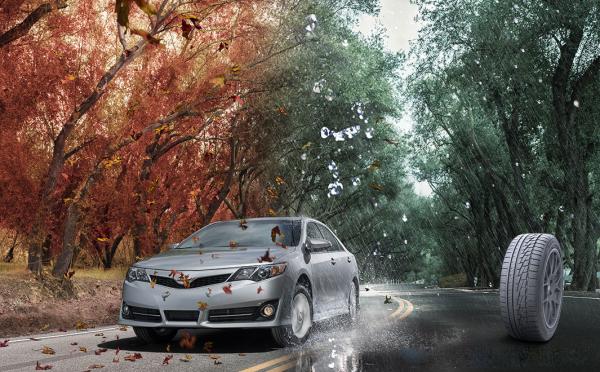
All-season tires are designed to deliver acceptable performance across a range of weather conditions - dry, wet, or snowy roads. Their design aims to balance features needed for different seasons.
Practical benefits
Maximum convenience: Eliminating the need to change tires seasonally Service savings: No longer need to pay for biannual mounting/demounting Storage space: No longer need to find space for an extra tire set Simplicity: One concern for the entire year
Inevitable disadvantages
Accelerated wear: Using them year-round leads to faster deterioration compared with seasonal tires used only 6-9 months a year Compromised performance: No season enjoys optimal performance Long-term costs: More frequent replacements can offset initial savings
Technical characteristics and durability
From a tread design standpoint, all-season tires maintain similarities with conventional tires - the same profile height and comparable water evacuation grooves. The noise level is similar to dedicated-season tires, and the lifespan generally falls between 50,000 and 65,000 kilometers, depending on driving style and operating conditions.
Suitability for Romania’s climate
Thermal limitations
All-season tires provide acceptable performance up to temperatures of about -5°C. Below this threshold, efficiency drops significantly and safety can be compromised. This limitation is crucial for Romania, where winter temperatures frequently drop below 0°C.
Geographical context
These tires were developed for countries with milder climates, where winter temperatures rarely drop below freezing. Western European temperate oceanic climate differs substantially from Romania’s continental climate, with more pronounced temperature variations.
Practical recommendations for Romanian drivers
When are all-season tires suitable
Economy vehicles with front-wheel drive: They offer better stability in poor conditions Tight budgets: When the cost of two tire sets exceeds financial possibilities Limited storage space: In homes without basements, garages, or other storage spaces Low mileage: For occasional drivers who cover under 15,000 km annually Mild-winter zones: In southern regions with higher temperatures
Safety considerations
The rubber compound in all-season tires represents a compromise between the flexibility needed in warm weather and the rigidity optimal for low temperatures. This compromise can affect safety in borderline situations, posing a risk to the driver, passengers, and other road users.
Expert conclusion
All-season tires can be a practical solution for certain driver categories, but choosing them should be done with full awareness. In Romania’s specific climate, with often harsh winters and hot summers, tires dedicated to each season remain the optimal choice for safety and maximum performance.
Before opting for this solution, carefully assess your driving style, the conditions you travel in frequently, and your safety versus convenience priorities.
Photo sources: amazon.com, safebee.com, caroutfitter.com