- Retread tires cost 30-50% less and meet European safety standards.
- Only some worn tires are eligible for retreading based on casing condition.
- Romania’s winter tire law means drivers must own two complete tire sets.
- Retread tires come with certification and warranty, but reduced durability and availability.
Tire replacement twice a year, from summer to winter and back, represents a significant expense for any driver in Romania. As maintenance costs for vehicles continue to rise, many car owners wonder whether retread tires are a viable alternative to new ones.
Tires, like any automotive component, wear over time and need replacement. Unlike other countries with warmer climates, in Romania the law requires using winter tires, which means you must invest in two complete sets of tires.
What are retread tires?
Retread tires are tires that have undergone a complex reconditioning process, in which the worn tread is replaced with new rubber, while the original casing is preserved. This process is not a simple patch repair but a sophisticated industrial procedure that adheres to strict international standards.
The complete retreading process
Contrary to popular belief, retreading is not a polluting process but rather a form of recycling old tires. Not every worn tire can be retreaded—only those that meet certain quality criteria.
Tire selection for retreading
From a lot of worn tires, only those with:
- relatively recent manufacturing date
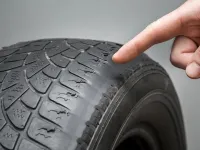
- a casing in good condition, without structural damage
- uniform wear, only on the tread
- absence of cracks or damage on the sidewalls
Steps of the retreading process
- Initial inspection: Each tire undergoes rigorous checks to evaluate wear and the condition of the casing
- Preparation: The old tread is completely removed and the casing is cleaned
- Applying new rubber: A new tread is mounted and new rubber is added on the sidewalls
- Vulcanization: The process is similar to the original manufacture of a tire
- Final testing: Balancing and quality verification to meet safety standards
Advantages and disadvantages of retread tires
Advantages of retread tires
- Cost reduction: The price is 30-50% lower than for new tires
- Positive ecological impact: The retreading process reduces waste and raw material consumption
- Compliance with european standards: Retread tires must meet the same safety requirements as new tires
- Certification and warranty: Each retread tire comes with a certificate of conformity and a warranty
Disadvantages of retread tires
- Reduced durability: Generally, they wear faster than new tires
- Limited availability: Not all sizes and types are available
- Increased weight: They can be slightly heavier, minimally affecting fuel consumption
- Risk of defects: Although reduced, there is a higher risk of technical issues
Safety of retread tires - myths vs reality
Myth about safety
Many people believe that retread tires are unsafe, but this perception is not well founded. At the European level there are strict standards (ECE R108 and ECE R109) that regulate the retreading process. These standards require retread tires to have the same safety characteristics as new tires.
Legal restrictions in Romania
In Romania, for passenger cars in category M1 (vehicles for passenger transport with up to 8 seats, plus the driver), retread tires are prohibited by law. This restriction exists for safety reasons, because passenger cars—and unlike trucks that have more wheels—a tire blowout at high speed can have serious consequences.

Use in heavy industry
Retread tires are widely used in the heavy transport sector:
- Trucks: Can be retreaded up to 4 times
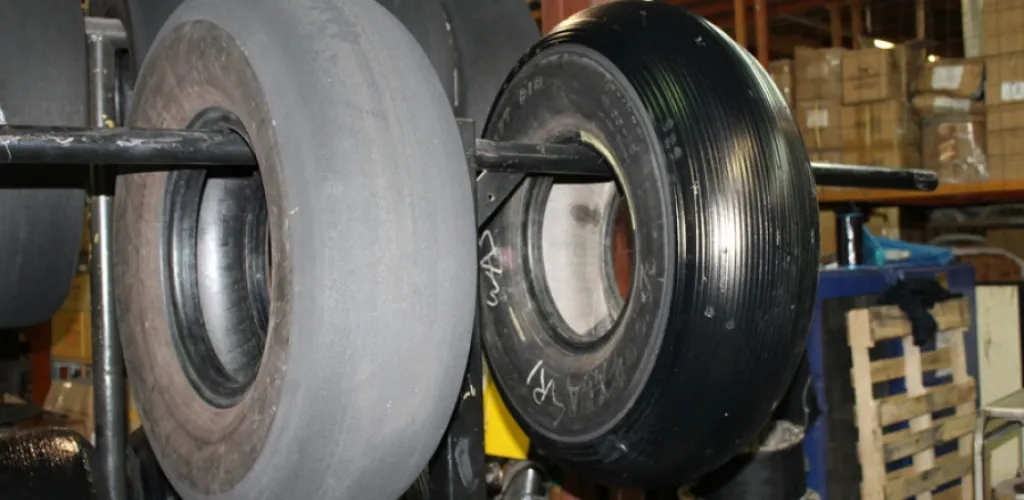
- Aircraft: Allow up to 7 retreads
- Buses and commercial vehicles: Use is common and safe
Retread tires vs other options
Retread tires vs second-hand tires
Between second-hand tires and retread tires, reconditioned options through retreading are superior for several reasons:
- They have undergone rigorous quality control processes
- They come with certifications and warranties
- They have a completely new tread
- The structure has been professionally inspected
second-hand tires present higher risks, because you do not know their usage history and they have not been reconditioned.
Retread tires vs new tires
new tires remain the optimal option in terms of performance, durability, and safety. However, for certain uses, retread tires can be a viable alternative.
Potential problems with retread tires
Manufacturing defects
- Improper mounting: Can lead to loss of air pressure
- Defective rebalancing: Causes vibrations and uneven wear
- Inconsistent grip: Can affect the vehicle’s behavior
Usage limitations
Retread tires are not recommended for:
- Aggressive or sporty driving
- Long and frequent distances
- Extreme operating conditions
- High-performance vehicles
Conclusion and recommendations
Although retread tires offer a more economical option, we do not recommend using them on passenger cars for the following reasons:
- Legal restrictions: They are prohibited in Romania for the M1 category
- Safety: The risk, though small, exists and can have serious consequences
- Performance: Durability and performance are inferior to those of new tires
For car owners, the safest option remains investing in new tires. If the budget is limited, there are economy-range new tires that offer a better quality-price ratio than retread tires.
If you use the car rarely or for short trips, and the law allows it, retread tires can be an option, but only from certified manufacturers and with full warranty.
In the end, your safety and that of your passengers must be priority number one, and in this sense investing in quality tires is essential for safe driving.
Source: cessnaflyer.org, moneycontrol.com, ta-petro.com, telegraph.co.uk