- Brake calipers convert hydraulic pressure into clamping force to stop the car.
- Fixed calipers have pistons on both sides; floating calipers move to apply pressure.
- Symptoms include brake fluid leaks, unusual noises, and braking pull or soft pedal.
- Leaks stem from worn piston seals; neglect can increase stopping distance.
Brake caliper is a crucial component of any vehicle’s braking system, working in harmony with pads and discs to ensure the car stops safely. Understanding its role, early fault detection, and the costs of replacement are essential for every responsible driver.
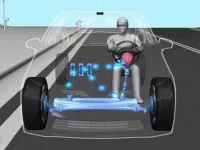
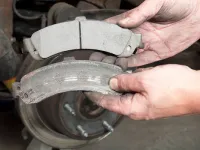
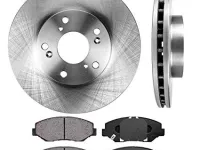
The braking system is composed of three main components: brake pads, the brake discs, and calipers. These elements are designed to work together to stop the vehicle through friction, and the failure of any one of these compromises driving safety.
Role of brake calipers in the braking system
The brake caliper operates on hydraulic principles and is the component that converts brake fluid pressure into the mechanical force required to stop the vehicle. The process unfolds as follows:
Operating mechanism:
- When the driver presses the brake pedal, pressure is generated in the braking system
- The master cylinder transmits this pressure through the brake fluid to the calipers
- The hydraulic pressure actuates the piston inside the caliper
- The piston pushes the brake pads against the brake disc
- Friction between pads and disc stops the wheel from rotating
Caliper components:
- Caliper body (usually cast iron or aluminum)
- Hydraulic pistons (one or more)
- Seals
- Pad guides
- Bracket for the brake line
Types of brake calipers
Fixed calipers:
- Have pistons on both sides of the disc
- Provide even braking force distribution
- Commonly used on performance vehicles
Floating (sliding) calipers:
- Have pistons only on one side
- The caliper body moves to apply even pressure
- More affordable and simpler, used on most standard vehicles
Symptoms of a faulty caliper
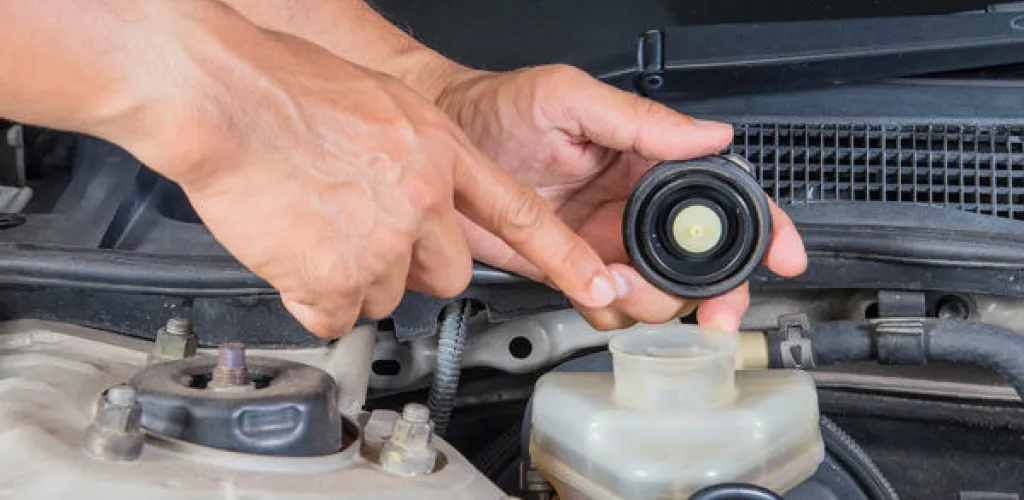
Brake fluid leaks
Just as fluids are vital to human health, a vehicle relies on various fluids for proper operation. Brake fluid is essential for transmitting hydraulic pressure in the system.
Signs of leaks:
- Low brake fluid level in the reservoir
- Fluid stains under the vehicle near the wheels
- Visible fluid on components near the caliper
- The brake pedal becomes soft or sinks to the floor

Leaks typically occur due to wear of the piston sealings, which over time lose elasticity from heat and constant pressure.
Abnormal braking noises
Typical noises:
- Metallic squeal – indicates advanced pad wear or caliper sticking
- Shrill screech – may signal overheating or uneven wear
- Friction noise – pads contact the disc unevenly
Causes of noises:
- Sticking caliper preventing full retraction of the pads
- Wear of the guides on which the pads slide
- Piston corrosion hindering normal operation
- Lack of lubricant on moving contact points
Abnormal vehicle behavior during braking
Hard braking or pulling:
- Braking distance increases significantly
- Pedal becomes soft or hard
- Vehicle pulls to one side during braking
- Vibrations in the steering wheel or brake pedal
Symptoms specific to a stuck caliper:
- One wheel overheats after driving
- Vehicle constantly pulls to one side
- Increased fuel consumption
- Accelerated and uneven tire wear
- Burning smell near the wheels
Diagnosing caliper problems
Basic visual checks
Brake fluid check:
- Check the level in the brake fluid reservoir
- Observe the color of the fluid (should be clear, not dark)
- Look for signs of leaks around the reservoir

Caliper visual inspection:
- Check for visible leaks on the body
- Observe the overall condition of the components
- Check whether the piston protrudes evenly
- Check the condition of the brake lines
Dynamic brake test
For safety, perform the test in a safe area:
- Find a clear area with no traffic or pedestrians
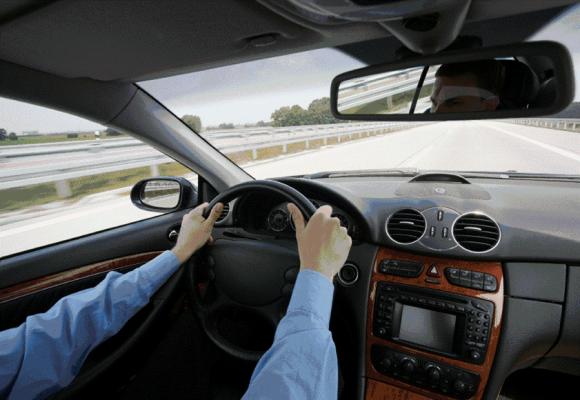
- Drive in a straight line at moderate speed
- Apply the brakes progressively and observe the vehicle’s behavior
- Repeat the test several times to confirm symptoms
What to watch for:
- If the vehicle pulls to one side
- If the pedal becomes soft or hard
- If unusual noises appear
- If the braking distance seems increased
When to consult a specialist
As with human health, prevention is better than cure. Some symptoms may be confused with faults in other components, such as stabilizer bars or steering joints.
Signs that you need professional diagnostics:
- Symptoms persist after basic checks
- You are unsure of the cause
- You have limited technical knowledge
- The vehicle shows dangerous braking behavior
Preventive maintenance of calipers
Regular checks
Every 10,000 km or 6 months:
- Check the brake fluid level
- Visually inspect calipers
- Observe brake pad wear
- Test braking function
Annually or at technical inspection:
- Replace the brake fluid completely
- Clean and lubricate pad guides
- Detailed inspection of all components
- Check system pressure
Factors that accelerate wear
Operating conditions:
- Driving in mountainous areas with frequent braking
- Urban traffic with repeated stops
- Carrying heavy loads
- Aggressive driving style
Environmental factors:
- Road salt in winter
- Increased humidity
- Extreme temperatures
- Dust and dirt
The replacement process for a caliper
When is replacement necessary
Repair vs replacement:
- Seals can be replaced if the caliper body is in good condition
- A corroded piston usually requires full replacement
- Cracks in the caliper body require immediate replacement
- Advanced wear of the guides makes replacement mandatory
Replacement steps
Preparation:
- Raise the vehicle on a lift or jack
- Remove the wheel
- Identify the type of caliper
Removal:
- Disconnect the brake line
- Remove the mounting bolts
- Remove the old caliper
Installation:
- Install the new caliper
- Connect the brake line
- Bleed air from the system
- Test operation
Prices and replacement costs
Cost of parts
Indicative prices for calipers:
- New caliper: 400-800 RON (depending on vehicle make)
- Remanufactured caliper: 200-400 RON
- Seal kit: 50-150 RON
Factors affecting price:
- Vehicle make and model
- Caliper type (fixed or floating)
- Part quality (original, aftermarket, OEM)
- Number of pistons
Labor costs
Indicative rates:
- Simple caliper replacement: 200-400 RON
- Replacement with system purge: 300-500 RON
- Diagnostic of fault: 50-150 RON
Time required:
- Caliper replacement: 1-2 hours
- System purge: 30-60 minutes additional
- Testing and adjustment: 30 minutes
Estimated total cost
For a complete replacement:
- Parts + labor: 600-1,300 RON per caliper
- Replacing on both wheels of an axle: 1,200-2,500 RON
- Additional costs (brake fluid, pads if needed): 100-300 RON
Recommendation: It is advisable to replace calipers in pairs (both on the same axle) to maintain braking balance.
The importance of safety
The braking system is vital for your safety and that of other road users. Ignoring the symptoms of a fault can have serious consequences:
- Increased risk of an accident
- Accelerated wear of other components (discs, pads)
- Higher repair costs in the long term
- Possible legal issues in case of an accident
In conclusion, the brake caliper is a component that should not be neglected. At the first sign of a fault, consult a specialist for diagnosis and remediation. Investing in safety is always justified.
Source of images: liveabout.com, cartreatments.com, autolablibertyville.com, sasksafety.org