- There are three main brake pad types: semi-metallic, organic, ceramic.
- Semi-metallic pads are durable, affordable, perform well in heat, but heavier and noisy.
- Organic pads are asbestos-free, quiet, and eco-friendly, but wear faster.
- Ceramic pads last long, perform at extreme temperatures, with minimal dust.
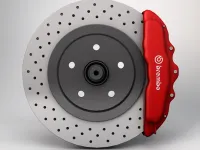
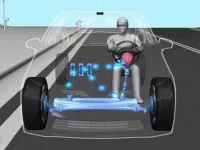
Brake pads are one of the most important components of the braking system, responsible for stopping the vehicle safely. The operating mechanism is straightforward: when you press the brake pedal, the force is transmitted through the brake fluid to the caliper, which uses one or more pistons to press the pads against the rotor surface.
During this process, the pads must absorb large amounts of heat generated by friction, being subject to constant wear. Being consumable components, they require periodic replacement to maintain braking performance. The market offers several types of pads, each with specific characteristics for different uses.
Main types of brake pads
There are three main categories of brake pads, each with distinct properties: semi-metallic, organic and ceramic. The correct choice depends on driving style, vehicle type and operating conditions.
Semi-metallic brake pads
The most common on the auto market, semi-metallic pads are made from a blend of copper, steel, graphite and brass, all bonded with a special resin. This composition offers an optimal balance between performance and cost.
Advantages:
- High durability and consistent braking performance
- Low noise level during normal operation
- Affordable price compared with other types
- Reduced wear of [brake discs]
- Good performance in hot climates
- Wide market availability for most vehicles
Disadvantages:
- Heavier weight due to metallic content
- Can produce noise (squealing) when worn
- Performance reduced at very low temperatures
There are also enhanced variants that combine semi-metallic material with ceramic components, offering superior performance at a slightly higher cost.

Organic brake pads
Made from non-metallic components such as fiberglass, rubber and kevlar, bonded with a special resin, organic pads offer distinct characteristics. Historically, they contained asbestos, but due to health risks (asbestos dust can cause lung cancer), modern manufacturers use asbestos-free formulations.
Advantages:
- Extremely quiet operation
- Good performance at high temperatures
- Eco-friendly, biodegradable materials
- The dust generated is not harmful to health
- Ideal for light vehicles with moderate power
Disadvantages:
- Shorter lifespan due to softer material
- Generation of brake dust in large quantities
- More frequent replacement required
- Not suitable for powerful vehicles or sporty driving
- Higher long-term cost due to frequent replacements


Ceramic brake pads
Composed almost entirely of ceramic material, with occasional copper particles, these pads represent the technological pinnacle in braking systems. They are developed especially for high-performance vehicles and race cars, where operating temperatures are extremely high.
Advantages:
- Exceptional durability – very long service life
- Excellent performance at extreme temperatures
- Minimal brake dust generation
- Consistent performance over their lifespan
- Superior resistance to thermal deformation
Disadvantages:
- Very high purchase cost
- Limited availability for standard vehicles
- Can be noisier at low temperatures
- Not economical for daily use
Criteria for choosing the right brake pads
Choosing the type of pads depends on several factors:
For urban and daily driving: Semi-metallic pads offer the best quality-price ratio.
For lightweight vehicles and smooth driving: Organic pads are ideal due to their quiet operation.
For high-performance vehicles: Ceramic pads are necessary to manage high temperatures.
Signals for brake pad replacement
Recognizing the right moment for replacement is crucial for safety:
Auditory indicators
The screeching sound indicates advanced wear of the friction material. Continuing to use can damage the brake rotors, significantly increasing repair costs.
Monitoring systems
Modern vehicles are equipped with wear sensors integrated into the brake pads. When the friction material wears down to the safe limit, the sensor triggers a warning light on the instrument cluster.
Visual inspection
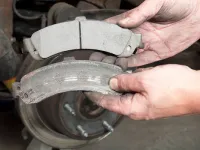
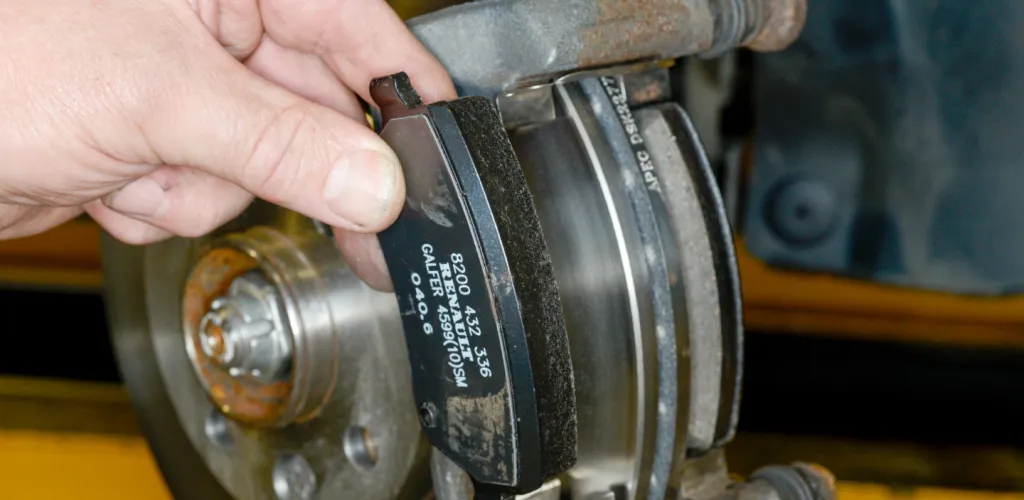
Periodic inspection of pad thickness through the wheels can prevent excessive wear. The minimum recommended thickness is about 3 mm for the friction material.
Importance of brake system maintenance
Besides replacing the pads, full brake system maintenance includes checking the rotors, the brake fluid and caliper components. Proper maintenance ensures optimum performance and extended life of all components.
Photo source: driving.co.uk, halfords.ie