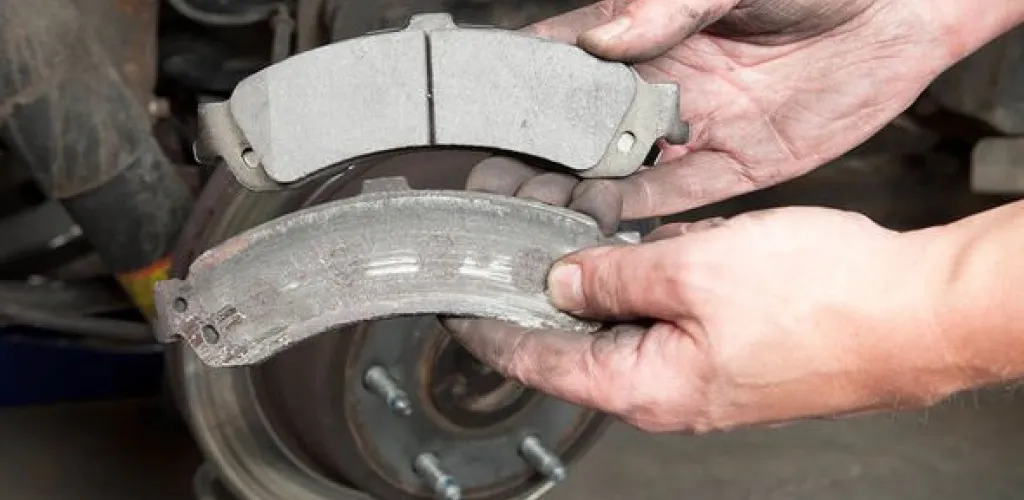
- Brake pads wear; replace at 2-3 mm thickness or when warning noise occurs.
- General interval: 50,000-80,000 km; varies with driving style and pad type.
- Urban: 25–40k km; extra-urban: 70–120k; aggressive: 20–35k.
- Pad material matters: organic 40–60k, semi-metallic 50–70k, ceramic 60–100k.
Brake pads are among the most important safety components of a vehicle, responsible for controlled and safe stopping in all traffic conditions. They wear naturally with use, and replacing them at the right time can prevent serious accidents and avoid costly major repairs.
Understanding when to change brake pads and recognizing wear indicators are essential knowledge for any responsible driver. In this guide you will learn everything you need to know about maintaining the braking system.
How Brake Pads Work
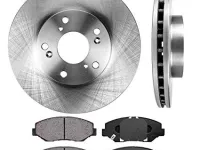
Brake pads are part of the disc braking system and operate on the principle of friction. On the surface of the pads is applied a friction material, which, when pressed against the brake discs via the calipers, generates the force necessary to slow the vehicle.
Each time you press the brake pedal, the friction material wears gradually. This wear is normal and inevitable, and over time the pads will reach the minimum permissible thickness and will need replacement.
Replacement interval: how many kilometers brake pads last
The general recommended replacement interval for brake pads is between 50,000-80,000 km, but this figure can vary considerably depending on several determining factors.
Influence of driving style
Urban driving (heavy traffic):
- Replacement interval: 25,000-40,000 km
- Urban traffic characteristics (frequent start-stop) accelerate wear
- Repeated braking at low speeds stresses the friction material
- High temperatures generated in dense traffic affect durability
Extra-urban/highway driving:
- Replacement interval: 70,000-120,000 km
- Braking is rarer and at higher speeds
- Possibility of using engine braking
- Wear is more uniform and gradual
Aggressive and sporty driving:
- Reduced interval: 20,000-35,000 km
- Sudden and repeated braking
- Extreme operating temperatures
- High mechanical stresses
Driving in mountainous areas:
- Variable interval: 30,000-50,000 km
- Prolonged braking on descents
- Risk of overheating
- Accelerated wear of friction material
Types of brake pads and their durability
Organic brake pads (NAO - Non-Asbestos Organic):
- Life: 40,000-60,000 km
- Affordable and good performance for normal use
- Low noise and increased comfort
- Wear more rapid at high temperatures
Semi-metallic pads:
- Life: 50,000-70,000 km
- Good performance at high temperatures
- Greater disc wear
- More pronounced noise
Ceramic pads:
- Life: 60,000-100,000 km
- Superior performance and thermal stability
- High price but lower cost per km
- Ideal for premium vehicles
Carbon-ceramic pads:
- Life: 80,000-150,000 km
- Used on high-performance vehicles
- Very high price
- Exceptional performance at extreme temperatures
Clear signs that brake pads need replacement
Audible indicators
Warning noise (squeal):
- The first and most important signal
- Generated by built-in metal wear indicators in the pads
- Appears when thickness reaches 2-3 mm
- Action required: Inspect and schedule replacement
Metal-on-metal grinding noise:
- Direct metal-to-metal contact
- Indicates complete wear of the friction material
- High risk of disc damage
- Action required: Immediate replacement
Measuring pad thickness
Functional minimum thickness:
- New pads: 10-12 mm
- Minimum recommended thickness: 3-4 mm
- Critical thickness: below 2 mm
Methods of inspection:
- Visual inspection through the wheel (for vehicles with spoke wheels)
- Lifting the vehicle and removing the wheel
- Using a caliper for precise measurements
Driving symptoms
Changes in braking behavior:
- Braking distance increases progressively
- Need for greater pedal effort
- Braking feel is “spongy” or inconsistent
- Vehicle pulls to one side when braking
Vibrations and pulsations:
- Vibrations in the steering wheel during braking
- Pulsations felt in the brake pedal
- May indicate warped discs due to excessive wear
Visual indicators:
- Large amounts of brake dust on the wheels
- Wear marks on the outer edge of the disc
- Deep scratches on the disc surface
Electronic indicators
Modern warning systems:
- Wear sensors integrated into pads
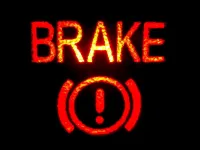
- Dashboard warning on the instrument cluster
- Error codes in the electronic system
- Do not ignore these warnings
Factors influencing brake pad durability
Environmental conditions
Climate and weather:
- Increased humidity accelerates corrosion
- Extreme temperatures affect the friction material
- Road salt during winter
- Dust and accumulated dirt
Type of roads:
- Steep roads require intensive braking
- Abrasive surfaces wear pads faster
- Dense traffic conditions
Vehicle characteristics
Vehicle weight:
- Heavier vehicles place more demand on the braking system
- Additional load reduces durability
- Towing trailers increases wear
Braking system:
- Correct system calibration
- Condition of brake discs
- Proper operation of calipers
- Brake fluid quality
Strategies to extend lifespan
Efficient driving techniques
Progressive braking:
- Press the pedal gradually, not abruptly
- Anticipate braking needs
- Use engine braking on long descents
- Avoid emergency braking when not necessary
Speed management:
- Respect speed limits
- Adapt speed to traffic conditions
- Use cruise control on highways
- Maintain a safe following distance
Preventive maintenance
Regular checks:
- Visual inspection every 10,000 km
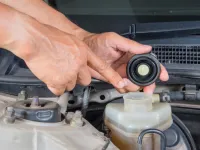
- Check brake fluid level
- Clean the system from dust and contaminants
- Test braking performance
Replacing components:
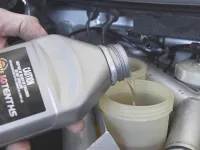
- Replace brake fluid according to schedule
- Replace the brake fluid filter
- Inspect and replace damaged hoses
- Calibrate the system after repairs
Replacement process and technical considerations
Preparation for replacement
Complete diagnostics:
- Accurate thickness measurement
- Check disc condition
- Inspect brake calipers
- Test the hydraulic system
Choosing the right pads:
- Adhere to manufacturer specifications
- Consider driving style
- Quality-price ratio
- Compatibility with the existing system
Replacement procedure
Main technical steps:
- Lifting and securely supporting the vehicle
- Removing the wheel and accessing the braking system
- Retracting the caliper piston
- Replacing worn brake pads
- Inspecting and cleaning components
- Testing the system after installation
Important precautions:
- Using protective equipment
- Avoiding inhalation of brake dust
- Observing torque specifications
- Bedding-in of new pads
Costs involved and budget planning
Brake pad prices
Economy category:
- Price: 150-300 lei per set
- Average durability: 40,000-50,000 km
- Standard performance for urban use
Premium category:
- Price: 400-800 lei per set
- High durability: 60,000-80,000 km
- Superior performance and increased comfort
Sport/Performance category:
- Price: 600-1,500 lei per set
- Durability: 30,000-60,000 km
- Exceptional performance at high temperatures
Additional costs
Labor and services:
- Diagnostics: 50-100 lei
- Brake pad replacement: 150-250 lei
- Disc replacement: 200-350 lei
- Complete system check: 100-150 lei
Opportunity costs:
- Replacing warped discs: 600-1,500 lei
- Hydraulic system repairs
- Replacing damaged components
- Potential accident costs
Consequences of delaying replacement
Safety risks
Compromised braking performance:
- Braking distance increases by 20-50%
- Increased risk of accident
- Loss of vehicle control
- Complete system failure
Secondary damage:
- Premature disc wear
- System overheating
- Damage to calipers
- Brake fluid contamination
Financial impact
Additional costs:
- Disc replacement costs twice as high as pads
- Repairs to the hydraulic system
- Replacing damaged components
- Potential costs from accidents
When to consult a specialist
Symptoms requiring immediate attention
Critical indicators:
- Any unusual braking noise
- Strong vibrations in the steering wheel or pedal
- Vehicle pulling during braking
- Wear indicator warning constantly on
- Drastic changes in braking behavior
Choosing the right service
Selection criteria:
- Experience with the vehicle make
- Modern diagnostic equipment
- Certifications and authorizations
- Warranty offered for work
- Recommendations from other customers
Replacing brake pads on time is an investment in your safety and your family’s safety. Do not treat this maintenance as an optional expense, but as an absolute necessity for safe driving. Adhering to the inspection and replacement intervals can prevent dangerous situations and much higher costs in the long term.