- Fully charged car batteries resist freezing well; common freeze risk remains in deep cold
- Water in electrolyte expands when frozen, damaging plates and reducing capacity
- Autumn checks and maintained charge prevent freezing; avoid deep discharges and idle drain
- In extreme cold, use battery heaters or AGM batteries; indoor storage helps Nordic regions
Winter brings numerous challenges for drivers, and one of the most common questions is whether a car battery can freeze under extreme cold. The short answer is yes—the car battery can freeze, but this largely depends on its state of charge and the ambient temperatures. In Nordic countries, for example, special battery heaters are used or the batteries are kept indoors overnight.
When can the car battery freeze
A fully charged battery is extremely resistant to freezing and can withstand temperatures down to -70 degrees Celsius. However, the reality is that most car batteries suffer considerably in the cold season, and winter represents the period with the highest risk of battery failure.
Battery structure and operation
A standard 12V car battery is composed of:
- 6 cells connected in series
- Electrolyte, consisting of 75% water and 25% sulfuric acid
- Lead plates that generate electricity through a chemical reaction with the acid If even a single cell is damaged, the entire battery loses its ability to function within normal parameters, remaining permanently undercharged.
What happens when the battery freezes
- Water expansion - when the water in the electrolyte freezes, it expands by about 9%
- Lead plate deformation - the expansion pushes and deforms the lead plates
- Definitive destruction - eventually, the internal structure of the battery is completely compromised
- Capacity loss - even if the battery thaws, its capacity will be permanently affected
How to prevent battery freezing
Autumn checks
It is essential to check the battery condition in November, before the onset of severe cold. A professional check can identify:
- Actual charging capacity
- The condition of individual cells
- Internal resistance
- Rest and under-load voltage
Maintaining optimal charging
To prevent freezing, ensure that:
- The battery is fully charged before cold weather
- Periodically check the charging level
- Avoid deep discharges
- Use a maintenance charger if the car sits idle for long periods
Signs the battery needs replacement
If the battery shows the following symptoms, replace it proactively:
- Difficult engine starting
- Dims headlights
- Age over 4-5 years
- Slow or incomplete charging
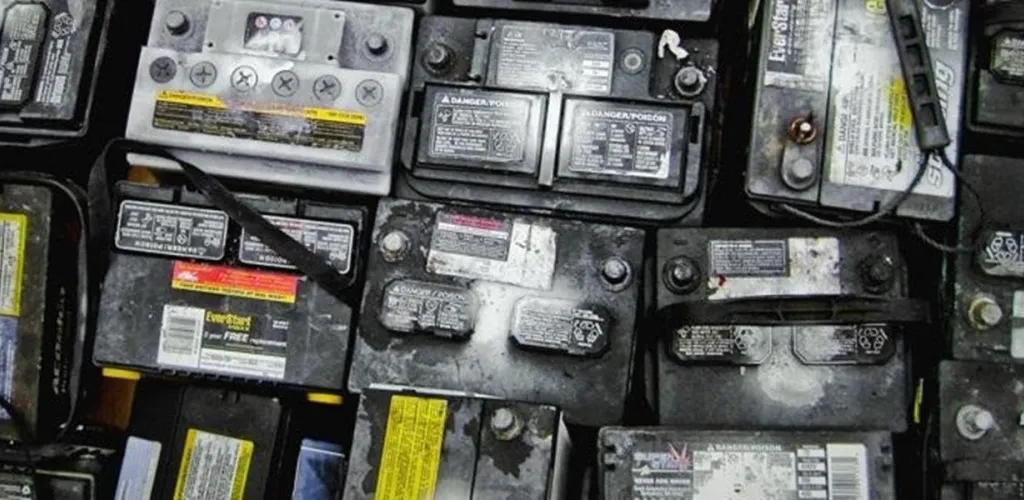
- Excessive corrosion at the battery terminals
Solutions for extreme climates
Battery heaters
In regions with very harsh winters, people use:
- Electric heaters that keep the battery at its optimal temperature
- Engine heating systems that indirectly help the battery
- AGM batteries technology, which is more resistant to cold
Indoor storage
A common practice in Nordic countries is:
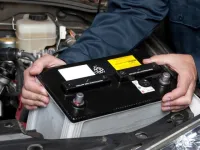
- Removing the battery in the evening and storing it indoors
- Reinstalling it in the morning before departure
- Using a special cart for transport
Conclusion
Battery freezing is a real concern that can be avoided with proper preventive measures. The key to success lies in maintaining an optimal charge and regular battery status checks, especially before the cold season.
A battery in good condition and fully charged will withstand Romania’s typical winter temperatures without issue, while a weakened or discharged battery can fail even at moderate freezing temperatures.