- Leaving electrical loads on can rapidly discharge the battery.
- Aftermarket devices like dash cams drain the battery even when off.
- Terminal corrosion and loose clamps cause starting and electrical issues.
- Clean corrosion by disconnecting, baking soda solution, brush, rinse, dry, and reconnect.
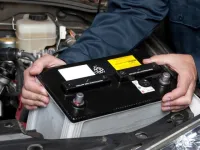
The car battery is the component that powers the vehicle’s entire electrical system. Without a functional battery, the engine won’t start, and the car’s electronic systems will be completely non-functional. Correctly identifying battery problems can save you time and money, avoiding unnecessary replacements.
Before considering replacing the battery, it’s essential to determine whether the problem actually lies with this component or if there are other causes preventing the vehicle from starting.
Common causes of battery discharge
Electrical loads left on
One of the most common causes of battery discharge is leaving electrical loads on. Headlights left on overnight can completely discharge a battery in a few hours. Even a simple dome light left on can consume enough energy to prevent the car from starting in the morning.
- Headlights and parking lights
- Interior lights
- The audio system
- USB chargers plugged into the 12V socket
Electrical system modifications
If you’ve installed aftermarket audio systems, decorative LEDs or other accessories not from the factory, these can cause a slow discharge of the battery when the car is off. Many car owners don’t realize certain devices continue to draw power even with the ignition off.
The dash camera and GPS units permanently connected to the 12V socket may be responsible for unexplained battery drains, especially if left connected for long periods.
Battery connection issues
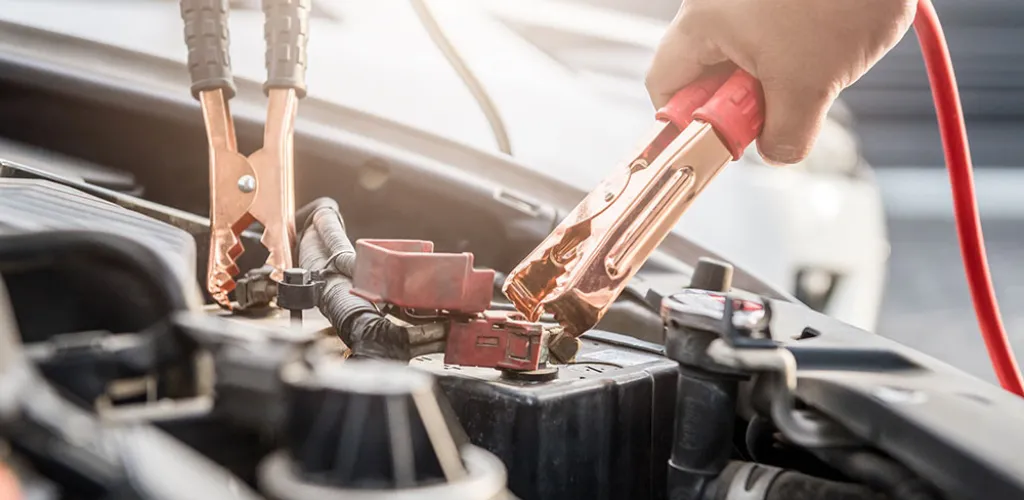
Terminal corrosion
Problems can also occur at the physical battery connections. The battery cable clamps are subject to corrosion over time, especially in humid conditions.

When the battery corrodes, you will notice white, green, or blue deposits on the terminals. This corrosion must be cleaned to ensure a good connection.
Loose connections
Over time, the terminal clamps can loosen due to vibrations and thermal cycling. A loose connection can cause starting problems or intermittent operation of electrical systems. Periodically check that all connections are tightened properly.
How to clean battery corrosion
Cleaning corrosion is a simple procedure you can do at home:
- Disconnect the terminals – always start with the negative terminal
- Prepare the cleaning solution – mix water with baking soda
- Clean with a metal brush – remove all traces of corrosion
- Rinse with clean water and dry thoroughly
- Reconnect the terminals – start with the positive terminal
For full details on this procedure, see our guide on how to clean a car battery.
Warning: Battery acid is corrosive and dangerous to the skin. Always wear protective gloves and safety goggles.
Checking the acid level
For maintenance batteries (the ones with removable caps), you can visually check the acid level. A low electrolyte level indicates a battery nearing the end of its life cycle.

Top up with distilled water
If the acid level is below minimum, you can top up with distilled water. Never use tap water, as minerals in it can affect battery performance.
Testing the battery voltage
To determine the battery’s real condition, voltage testing is the most precise method.

Normal voltage values
- 12.6-12.8V: Fully charged battery
- 12.45-12.60V: Battery in good condition
- 12.20-12.45V: Battery partially discharged
- Below 12.20V: Battery discharged, needs charging or replacement
Professional testing
If you don’t have a multimeter or aren’t confident with electrical measurements, you can rely on a professional car battery service. Professional testing costs about 50 lei and includes checking:
- Resting voltage
- Discharge capacity
- Internal resistance
- Alternator operation
What to do if your car won’t start?
Before concluding that the battery needs replacement, check all the aspects mentioned above. Often, the issue can be resolved by cleaning the terminals or charging the battery.
It’s recommended to test both the battery and the alternator, especially before the cold season. Low temperatures significantly reduce battery capacity, and a weak battery can fail completely during winter.
Tips to extend battery life
- Periodically check connections and clean corrosion
- Avoid full battery discharges
- If not used for extended periods, disconnect the negative terminal
- Test the battery and alternator annually
- Proactively replace the battery after 4-5 years of use
A proper maintenance and careful diagnostics can significantly extend the life of your car battery and prevent unexpected starting issues.