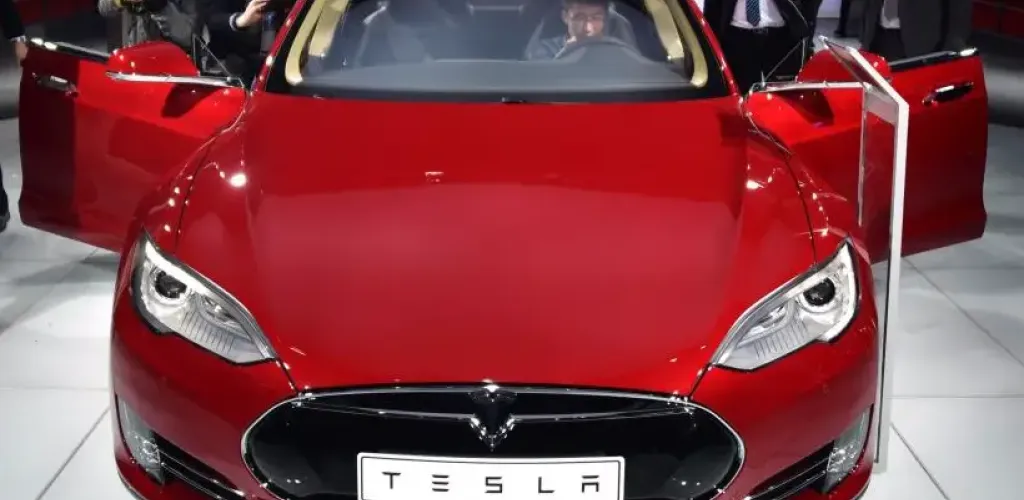
- Tesla battery range varies from about 400 to 640 km per charge.
- Tesla batteries are designed to last 400,000–600,000 km under normal use.
- Longevity depends on driving style, temperature, and regular maintenance.
- Proper charging practices matter; avoid frequent high-power fast charging.
Electric cars are gaining ground in the automotive market, with Tesla as the undisputed leader in this field. However, many drivers hesitate to switch to electric due to uncertainties about battery reliability and durability. In this article, we will examine in detail the performance of Tesla batteries, their lifespan, and the factors that influence their longevity.
Tesla Battery Range by Model
A crucial aspect for any potential electric vehicle owner is the range the battery can deliver. Tesla manages to impress with remarkable performance, offering a range that varies between 400 and 600 km on a single charge, depending on the model and driving style.
Model 3 lineup
- Model 3 Standard Range Plus: 400 km
- Model 3 Long Range: 520 km
- Model 3 Performance: 500 km
Model S lineup
- Model S Long Range Plus: 640 km
- Model S Performance: 560 km
Model X lineup
- Model X Long Range Plus: 565 km
- Model X Performance: 475 km
Model Y lineup
- Model Y Long Range Plus: 480 km
- Model Y Performance: 480 km
Tesla Battery Lifespan
Tesla batteries are designed to last between 400,000 and 600,000 kilometers under normal use and maintenance. This figure depends on several factors, which we will analyze in detail below.
Tesla is currently working on developing batteries that reach the 1 million kilometer milestone. This ambitious target demonstrates the manufacturer’s commitment to the durability and reliability of its products.
Factors Influencing Battery Longevity
Driving Style
The way you drive your vehicle has the largest impact on the battery’s lifespan. Aggressive driving, with frequent abrupt accelerations and braking, places heavy demand on the battery and accelerates premature wear.
Ambient temperature also plays an important role. Prolonged exposure to extreme temperatures, whether very hot or very cold, can significantly affect the battery’s ability to store and release energy efficiently. Tesla’s thermal management system helps maintain optimal temperatures, but heavy use in extreme conditions can still reduce battery life.
Vehicle Maintenance
Even though electric cars have fewer moving mechanical parts than internal combustion vehicles, regular maintenance remains essential. Worn or faulty parts can force the electrical system to use more energy to maintain the same performance.
It is important to:
- Follow the manufacturer recommended service schedule
- Use only genuine or equivalent quality parts
- Regularly check tire pressure (worn tires increase consumption)
- Monitor the regenerative braking system
- Keep the climate control system in good condition
Charging Practices
Unlike conventional vehicles, how you power an electric car directly affects the battery’s longevity. Proper charging is essential for maintaining battery capacity in the long term.
Tips for Proper Charging
Avoid Frequent Fast Charging
Although high power fast charging stations (Superchargers) are extremely convenient and can charge the battery up to 80% in about 30 minutes, frequent use can accelerate battery degradation. This type of charging generates more heat, which stresses the battery cells.
Use fast charging only when absolutely necessary during long trips or emergencies. For daily charging, opt for standard charging at a home outlet or a Wallbox.

Maintain Optimal Charge Level
Tesla officially recommends not letting the charge level exceed 90% in daily use and not dropping below 20%. This range provides:
- Protection against overcharging that can damage cells
- Avoiding deep discharge that reduces capacity long-term
- Maintaining a safety margin for the battery
For long trips you can charge to 100%, but do not leave the car with a fully charged battery for extended periods.
Charging Frequency
There is no need to wait for the battery to discharge completely before charging. In fact, frequent charging at mid-range levels (between 20% and 80%) is more beneficial for battery longevity than full discharge–charge cycles.
Tesla Battery Warranty
Tesla offers one of the most generous warranties in the electric vehicle industry, reflecting the manufacturer’s confidence in the durability of its batteries.
Warranty Details
All Tesla models come with a standard battery warranty of 8 years, with mileage limits varying by model:
- Model 3 Standard Range: 160,000 km
- Model 3 Long Range and Performance: 192,000 km
- Model S and Model X: 240,000 km
- Model Y: 192,000 km
The warranty covers the battery against manufacturing defects and guarantees maintaining a minimum capacity (usually 70% of initial capacity) during the warranty period. It is important to note that the warranty applies based on the first condition met — either 8 years or mileage limit.
Natural Battery Degradation
It is normal for lithium-ion batteries to gradually lose capacity over time. Studies on Tesla vehicles show that after the first 100,000 kilometers, the battery loses on average about 5-10% of its initial capacity. After this threshold, degradation stabilizes and becomes much slower.
This means that a Model 3 Long Range with an initial range of 520 km would have, after 100,000 km, a range of approximately 470-495 km — a negligible reduction for most users.
Conclusion
Tesla batteries are among the most durable and high performing on the electric vehicle market. With proper maintenance and adherence to charging recommendations, they can cover between 400,000 and 600,000 kilometers, and Tesla is working on batteries that reach 1 million kilometers.
To maximize battery life:
- Adopt a smooth and predictable driving style
- Follow the maintenance schedule
- Use fast charging only when necessary
- Keep the charge level between 20% and 90% for daily use
- Avoid prolonged exposure to extreme temperatures
With Tesla’s 8 year warranty and proper care, your electric vehicle battery will deliver excellent long term performance, justifying the initial investment through fuel savings and lower maintenance costs compared with traditional vehicles.