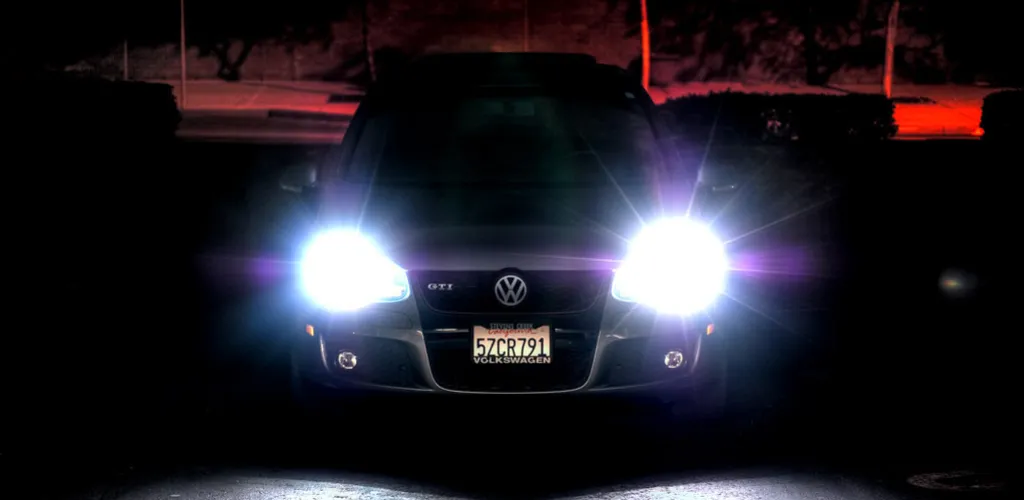
- Leaving headlights on can discharge a typical 60Ah battery in 8–12 hours.
- Phantom drains from ECU, alarms, and modules can deplete a battery in weeks.
- Aging battery shows voltage under 12.4V, longer charging, reduced starting power.
- Corroded or loose terminals increase resistance and hinder charging.
Car battery is one of the essential components of your vehicle, and its failure at the worst moment can turn an ordinary day into a nightmare. Although it may seem like a simple part from a technical perspective, the battery plays a crucial role in the operation of the entire electrical system of the car.
Understanding the causes that can lead to premature battery death can help you take the preventive measures needed and avoid uncomfortable situations where you are stranded with the car in isolated places.
Main causes of car battery failure
Contrary to the general belief that the battery simply dies after a certain period, there are specific factors that can dramatically accelerate the degradation process. Knowing these allows you to adopt a proactive approach to maintaining the electrical system.
Leaving headlights on - the classic mistake
Leaving the headlights on represents the most common cause of a complete battery discharge. This situation can occur due to haste, fatigue, or simply inattention. Headlights consume a significant amount of energy - between 60-120W for classic halogen headlights.
Even the parking lights, which may seem harmless, can kill the battery in one night, drawing power continuously while the alternator is not charging. A standard 60Ah battery can be completely discharged in about 8-12 hours with the headlights on.
Solution: Always double-check the headlight status before leaving the vehicle. Many modern cars have audible warnings when you exit the car with the lights on.
Electrical system problems - phantom drains
Modern car electrical systems are complex, with many modules that stay active even after the engine is switched off. The ECU, the alarm system, the clock, the radio memory, and other modules consume energy continuously.
Problems in the electrical system can include:
- Short circuits that create additional drains
- Relays stuck in the “on” position
- Defective electronic modules that consume excessive energy
- Damaged or internally oxidized wiring
These phantom loads can discharge a battery in 1-2 weeks, even if the car is not used at all.
Natural degradation of the battery
A car battery undergoes chemical processes that degrade over time. Lead plates sulfate, the acid loses concentration, and storage capacity gradually decreases.
Signs of an aging battery:

- Terminal voltage drops below 12.4V at rest
- Charging time increases significantly
- Ability to deliver starting current decreases
- Resistance at low temperatures diminishes
A battery with problems can be compromised even by normal drains such as the clock or the ECU memory, which normally would operate for weeks without issues.
Loose connections - the invisible problem
Corroded or loose connections at the battery terminals create extra electrical resistance that hinders proper charging and efficient discharge.
Connection problems include:
- Corrosion (white-green deposits) on the battery terminals
- Inadequate tightening of the clamps
- Damaged or internally oxidized cables
- Poor ground to the vehicle body
These problems cause the battery not to receive a full charge while running and not to be able to deliver maximum current at starting.
Alternator failures - the heart of the charging system
Alternator is responsible for recharging the battery during engine operation. A fault in the alternator means the battery no longer receives the energy it needs to maintain its charge.

Symptoms of a defective alternator:
- Lights fade at idle
- The battery discharges even after driving
- Battery voltage with the engine running is below 13.8V
- Unusual noises from the alternator area
Without a functional alternator, the battery becomes the sole energy source, leading to its discharge within a few hours of operation.
Natural wear - the battery life cycle
A standard car battery has a life of 3-5 years, depending on usage and maintenance conditions. The chemical processes inside the battery degrade irreversibly over time.

Factors that influence life:
- Number of charging-discharging cycles
- Operating temperature
- Quality of maintenance
- Type and quality of the battery
What kills a new battery prematurely
A new battery should operate trouble-free for 3-4 years. When a new battery shows weakness quickly, external causes are usually to blame.
Short driving distances - incomplete charging cycles
Frequent driving over short distances (sub 10-15 km) does not allow the alternator to fully recharge the battery after starting. The internal combustion engine needs time to reach the optimal operating temperature, and the alternator to produce maximum voltage.
Consequences:
- The battery remains in a partial state of charge
- Sulfation forms on plates
- Effective capacity decreases progressively
- Lifespan reduces by up to 50%
Extreme temperature variations
Extreme temperatures dramatically affect battery performance by changing internal chemical processes.
Effects of low temperatures (below -10°C):
- Battery capacity decreases by 20-40%
- Electrolyte viscosity increases
- The starting current required by the engine increases
Effects of high temperatures (above 40°C):
- Accelerates corrosion of internal plates
- Increases the self-discharge rate
- Electrolyte evaporates more quickly
Lead sulfate crystals form under extreme conditions, irreversibly reducing battery capacity.
Faulty charging system
Even with a new battery, problems in the charging system can lead to rapid deterioration. The alternator must provide a constant voltage of 13.8-14.4V for optimal charging.

Critical components of the charging system:
- The alternator and voltage regulator
- The wiring between the alternator and the battery
- The connections and fuses
- The vehicle ground
A problem with any of these components can compromise charging and lead to premature death of the battery.
Preventive measures to extend life
To maximize the battery life, adopt the following practices:
- Regular checks: Check the battery voltage and the condition of the connections monthly
- Preventive maintenance: Clean the terminals and apply protective grease
- Regular driving: Periodic longer trips to achieve a full recharge
- Monitoring: Look for signs like the car battery is failing and act preventively
Understanding these causes helps you detect issues early and avoid unpleasant situations. Whether you have a new or old battery, careful monitoring and preventive maintenance are the key to long-lasting operation.
Photo sources: youtube.com, flickr.com, liveabout.com, knowyourparts.com