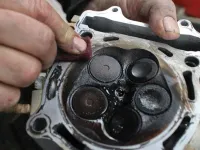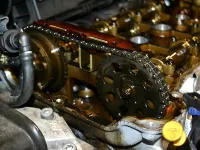
- Engine oil lubricates, cools, protects from corrosion, and removes combustion residues.
- Regular oil checks and timely changes prevent engine wear and costly repairs.
- Engine oil types include synthetic, semi-synthetic, and mineral, with varying durability and cost.
- Follow manufacturer specs and viscosity codes like XW-XX for best results.
Engine oil is a fundamental element for the optimal operation and longevity of any vehicle. This essential component performs multiple vital functions: it lubricates the moving parts of the engine, cools components exposed to extreme temperatures, prevents corrosion, and removes residues resulting from the combustion process.
Choosing the correct engine oil can make the difference between an engine that runs flawlessly for hundreds of thousands of kilometers and one that experiences premature issues. RAR urges all drivers to treat vehicle health checks with care, and the correct selection and maintenance of engine oil represents an absolute priority.
The Importance of Regular Engine Oil Checks
Checking the oil level and its appearance is an absolutely necessary procedure that any vehicle owner can perform independently. On classic cars, this check is done with the dipstick, while modern vehicles provide precise information via the onboard digital display.
Periodically, the oil should be fully replaced to maintain its specific properties and fulfill its protective role. Neglecting this aspect can lead to accelerated wear of engine components and costly repairs.
Types of Engine Oil by Composition
Synthetic Oil
- Contains chemically synthesized substances produced in the laboratory, offering superior performance and extended durability
- Superior resistance to extreme temperatures
- Enhanced protection against wear
- Longer intervals between changes
- Superior chemical stability
Semi-synthetic Oil
- A balanced blend between synthetic and mineral oil, offering a compromise between performance and cost
- Adequate protection for most vehicles
- Improved properties compared to mineral oil
- Affordable price for many vehicle owners
Mineral Oil
- Low cost, accessible for tight budgets
- Basic performance suitable for older engines
- Requires more frequent changes
- Limited protection under extreme temperature conditions
How to Choose the Right Engine Oil
Choosing the correct engine oil is based on several essential factors that must be analyzed carefully.
Following the Manufacturer’s Recommendations
Engine oil must always meet the specifications provided by the vehicle manufacturer. The technical manual provides both the detailed specifications and the recommended oil change interval. Ignoring these recommendations can void the vehicle’s warranty and may cause engine damage.
Understanding Viscosity Grade
Viscosity is one of the most important characteristics of engine oil:

Monograde vs Multigrade
- Most common are multigrade oils, as they can be used in all seasons, providing consistent protection regardless of temperature changes
Multigrade Viscosity Coding
-
The standard code is “XW-XX” (for example, 5W-40), where:
-
The digit before the W (Winter) indicates the oil’s viscosity at low temperatures
-
A smaller number means the oil stays fluid at lower temperatures
-
Standard values are: 0W, 5W, 10W, 15W, 20W
-
Minimum operating temperature:
-
0W: -35°C
-
5W: -30°C
-
10W: -25°C
-
15W: -20°C
-
20W: -15°C
-
The group of digits after the dash (20, 30, 40, 50) refers to the oil’s viscosity at high temperatures
-
A higher number means better protection at high temperatures
-
Oils with higher viscosity (40, 50) are recommended for high-mileage engines
ACEA Classification (European Association of Automotive Manufacturers)
ACEA classifies oils based on technical specifications and operating properties:
Categories main:
Category A (gasoline engines):
- A1/B1: Oils with low viscosity for fuel economy
- A3/B3: Oils for high performance
- A3/B4: Oils for direct injection engines
- A5/B5: Oils with very low viscosity
Category C (after-treatment systems):
- C1: Very low viscosity, low ash content
- C2: Low viscosity, low ash
- C3: Medium viscosity, low ash
- C4: Very low ash content
- C5: Very low viscosity for fuel economy
Category E (diesel engines for heavy-duty vehicles):
- E4: For Euro I-V engines
- E6: For Euro I-VI engines
- E7: For Euro I-VI engines with DPF
- E9: For Euro I-VI engines with special requirements
API Classification
API uses S for gasoline engines and C for diesel engines, followed by a second letter indicating performance level (e.g., SN, SP for gasoline and CK-4, FA-4 for diesel).
Change Intervals and Warning Signals
Maintenance requires respecting the recommended intervals and identifying the signals that indicate a need for an oil change.
Standard Oil Change Intervals
Typically, engine oil should be replaced at regular intervals according to the manufacturer’s recommendations:
- 10,000 km: For synthetic oils under normal use
- 15,000 km: For premium synthetic oils under ideal conditions
- 30,000 km: For extended-life special oils (only for certain brands)
Factors Influencing Change Intervals
Severe operating conditions require more frequent changes:
- Urban traffic congestion
- Frequent cold starts
- Short, frequent trips
- Driving in dusty or humid conditions
- Towing or carrying heavy loads
Signals Indicating Oil Change Is Needed
In addition to programmed intervals, every driver should watch for:
On-board dashboard indicators:
- Low oil pressure warning
- High engine temperature warning
- Service messages on the multifunction display
Signals from the car:
- Engine becomes noisy and lubrication is no longer adequate
- Oil level drops (possible leak)
- Oil color changes (becomes very dark)
- Presence of metal particles in the oil
- Strong smell of burning oil
Recommendations for Optimal Maintenance
Regular Checks
- Check the oil level at least once a month
- Inspect the oil appearance and color at every check
- Monitor oil consumption and report any anomalies
Topping Up Oil
It may be necessary to top up the oil level between changes. In this case:
- Use the same type and brand of oil
- Never exceed the maximum level indicated on the dipstick
- Investigate the cause of the decrease if topping up is frequently required
Choosing Suppliers and Service Centers
- Use authorized service centers for oil changes
- Buy oil only from trusted suppliers
- Keep receipts for oil changes (for warranty)
- Check product authenticity (avoid counterfeits)
RAR recommends that all drivers treat checks related to the proper functioning of the vehicle with care, and the correct selection and maintenance of engine oil represent one of the most important preventive measures to ensure optimal operation and an extended engine life.