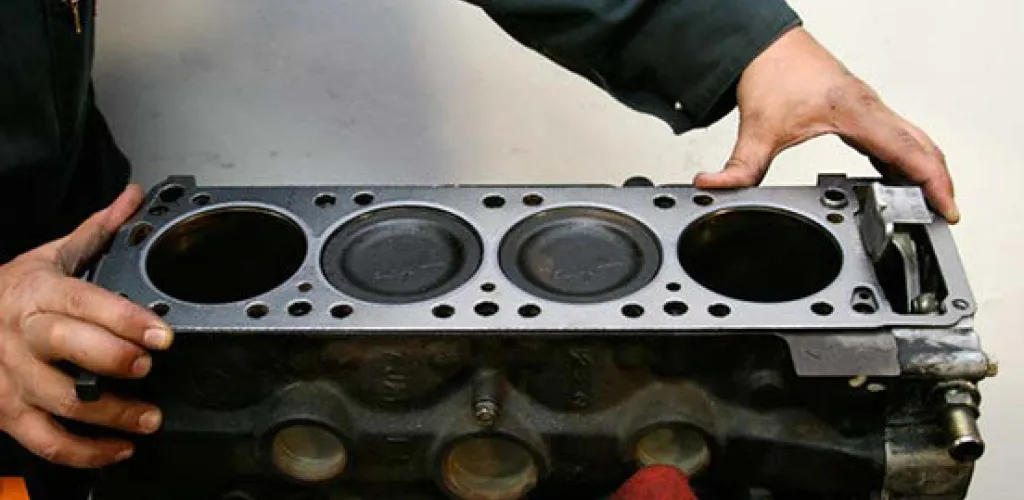
- Head gasket seals combustion chambers, coolant, and oil passages; inexpensive part, high repair cost
- Common symptoms include coolant/oil consumption, overheating, rough idle, white exhaust, and power loss
- Mixing coolant into oil can cause milky oil, bearing damage, and hydro-lock risk
- Diagnostics include exhaust steam test, oil color inspection, and radiator bubble test
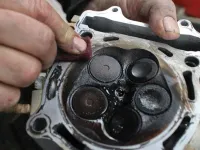
The cylinder head gasket is a critical seal located between the engine block and the cylinder head. Its essential role is to seal each combustion chamber and the passages for coolant and oil to prevent leaks in the combustion chamber and in the oil and cooling circuits. Although the part itself is inexpensive (ranging from tens to a few hundred lei), repair costs can be high due to the complexity of partially disassembling the engine.
Components and functions of the cylinder head gasket
The cylinder head gasket consists of a piece of alloyed steel combined with a gasket material such as rubber or graphite. This hybrid construction allows it to resist extreme pressures and temperatures while maintaining a perfect seal between:
- The combustion chambers of the cylinders
- Passages for the cooling liquid
- Oil circulation channels
- The valves and intake/exhaust ducts
The proper functioning of the gasket is crucial for maintaining engine compression and preventing the mixing of fluids.
Main symptoms of a damaged head gasket
Abnormal fluid consumption
Excess coolant consumption is one of the most serious warning signs. When the head gasket deteriorates, coolant can enter the combustion chamber or mix with the oil. Check:
- Level in the expansion tank – frequent drops without visible leaks
- Presence of coolant spots on the ground under the car
- External leaks at the joint between the block and the head
- The color and consistency of the remaining fluid
Increased oil consumption manifests as:
- White-blue smoke on startup, especially cold starts
- Oil level drops between regular oil changes
- The oil becomes milky and pale
- Foamy residues on the oil cap
Changes in engine operation
A car with a faulty head gasket shows clear signs of malfunction:
- Sudden power loss during acceleration, especially on inclines
- Constant overheating, even under normal use
- Hard starting, particularly in cold conditions
- Rough idle – the engine stalls or vibrates excessively
- Abundant white exhaust smoke, different from normal startup vapors
- Sharp, distinctive odor of burnt coolant
Mixing of fluids – the most serious symptom
When the coolant mixes with the oil, the situation becomes critical:

- The oil becomes milky and loses its optimal viscosity
- Lubrication and protective properties degrade
- Bearings, rings, and other moving components suffer damage
- Major risk of hydro-lock – water does not compress like air
Diagnostic and testing methods
Simple tests for owners
1. Exhaust steam test Place your hand about 10–15 cm from the exhaust pipe with the engine running. If the hand gets damp quickly or there is excessive steam, the gasket may be compromised.
2. Visual oil inspection Check the oil with the dipstick – if it looks like a brownish or yellowish emulsion, there are coolant leaks into the oil.
3. Monitoring bubbles in the radiator With the engine running and the radiator cap off, the presence of persistent bubbles indicates gas leaks from the combustion chamber.
4. Radiator pressure test An abnormal rise in pressure in the cooling system can indicate intrusion of combustion gases.
Professional diagnostics
Compression test Measure the pressure in each cylinder to identify compression losses. Values below the manufacturer’s specifications indicate sealing problems.
Combustion gas detector test A special fluid changes color in the presence of combustion gases in the cooling system.
Leak test with compressed air Introduce compressed air into each cylinder and check where leaks occur – in the radiator, oil reservoir, or neighboring cylinder.
Main causes of head gasket failure
Engine overheating
This is the number one cause of head gasket failure. Excessive temperatures cause:
- Metal deformation of the head or block
- Degradation of gasket sealing materials
- Changes in the elastic properties of the gasket
Causes of overheating include:
- Faulty cooling fan
- Clogged or damaged radiator
- Defective water pump
- Stuck thermostat
- Insufficient coolant level
Ignition system problems
- Worn spark plugs create uneven burning and high local temperatures
- Incorrect ignition timing advance can cause detonation
- Lean fuel mixture raises the burning temperature
Improper assembly
- Uneven tightening of bolts
- Using an incorrect torque specification
- Reusing old bolts (many are single-use)
- Improperly cleaned mating surfaces
Complete replacement process
Preparation and required tools
Parts and materials:
- New head gasket, original or high-quality equivalent
- Full set of new bolts (mandatory for many models)
- New coolant
- New engine oil and filter
- Cleaning and degreasing products
Specific tools:
- Calibrated torque wrench
- Complete set of wrenches and sockets
- Vehicle technical manual
- Scrapers for cleaning surfaces
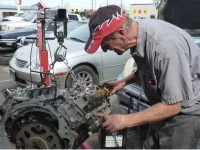
Dismantling steps
1. Vehicle preparation
- Completely drain the cooling system
- Disconnect the battery for safety
- Remove access components (air filter housing, hoses, etc.)
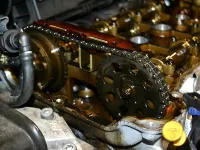
2. Removing the head
- Disconnect all hoses and cables
- Remove the intake and exhaust manifolds
- Loosen bolts in the order specified by the manual
- Carefully lift the head with mechanical aid if necessary
3. Cleaning the surfaces
- Completely remove the old gasket
- Thoroughly clean the contact surfaces
- Check for flatness with a straightedge and a feeler gauge
Mounting the new gasket
1. Preliminary checks
- Visually inspect the gasket for defects
- Verify compatibility with the engine model
- Inspect the condition of the contact surfaces
2. Proper positioning
- Place the gasket without additional lubricants
- Align the holes with those on the block and head
- Ensure correct orientation (top/bottom)
3. Installing the head
- Lower the head carefully onto the gasket
- Install the new bolts in the order specified
- Tighten gradually in multiple stages per the manual
Bolt tightening sequence
This is crucial for a successful repair:
- First pass: 1/3 of the final torque, central to edge order
- Second pass: 2/3 of the final torque, same order
- Final pass: full specified torque
- Run-in check: recheck after the first 500–1000 km
Essential preventive measures
Cooling system maintenance
- Replace the coolant at recommended intervals (2–4 years)
- Regularly check the level and color of the coolant
- Clean the radiator of external impurities
- Annual pressure testing of the system
Monitoring early warning signs
- Track coolant and oil consumption between changes
- Observe exhaust smoke color
- Regularly monitor engine temperature
- Watch for unusual noises from the engine bay
Preventive driving habits
- Avoid overloading the engine when cold
- Stop immediately if overheating occurs
- Warm up the engine gradually in winter
- Avoid sustained high RPMs for long periods
Estimated repair costs
Cost of parts
- Cylinder head gasket: 50–300 lei (depending on model)
- New bolts: 100–500 lei (complete set)
- Coolants and filters: 100–200 lei
- Auxiliary parts: 50–150 lei
Labor costs
- Labor time: 6–12 hours depending on engine complexity
- Hourly rate: 50–150 lei/hour
- Total labor cost: 300–1800 lei
Possible additional costs
- Head resurfacing if deformed: 200–500 lei
- Replacing damaged valves: 300–800 lei
- Cooling system repairs: 200–1000 lei
When professional intervention is mandatory
Go to a mechanic immediately when you notice:
- Oil that looks milky or foamy
- Recurrent overheating without an apparent cause
- Large drops in fluid levels
- Persistent white smoke even after the engine warms up
- Severe power loss or irregular engine operation
- Metallic noises from the head area
Do not attempt the repair yourself if:
- You lack experience with major engine repairs
- You do not have the specialized tools required
- The car is still under warranty
- You suspect additional engine damage
The head gasket issue is one of the most serious problems a motor can face. Early detection and rapid intervention can save the engine from irreversible and costly damage. If you notice any alarm signs, consulting a specialized mechanic is essential for an accurate diagnosis and a durable repair.