- ECU remapping reprograms engine software to boost power, torque, and efficiency.
- Manufacturers limit power for fuel, climate, altitude, and emissions compliance.
- Turbo engines gain 20-40%; naturally aspirated 5-15% gains.
- Remapping methods include OBD process or ECU chip replacement.
ECU remapping is one of the most popular and effective ways to improve the performance of a modern car. By altering the software of the engine control unit, you can achieve significant gains in power and torque, as well as improved engine efficiency. The process involves reprogramming the manufacturer-set parameters to better exploit the engine’s true potential.
ECU remapping means modifying the software inside the Engine Control Unit to optimize performance. The ECU governs all vital aspects of the engine—fuel injection, ignition timing, turbo boost pressure, and many other critical parameters.
The electronic control unit operates based on maps or tables of values that dictate how the engine responds under different operating conditions. By modifying these values, you can optimize the engine’s behavior to produce more power, more torque, or even to use less fuel.
Why manufacturers don’t set the engine to maximum from the factory
Adaptability to diverse conditions
- Different types and qualities of fuel
- Extreme climate conditions (from -40°C to +50°C)
- Different altitudes (sea level vs. mountains)
- Different emissions standards
Emission regulation pressures
Manufacturers often program the ECU so that the engine easily passes strict emissions tests. This usually means more conservative settings that reduce power but ensure compliance with environmental regulations.
Need for long-term reliability
Factory settings are designed to ensure maximum durability under sometimes marginal maintenance conditions. Manufacturers tend to leave a substantial safety margin.
Engine types and remapping potential
Turbocharged and forced-induction engines – champions of remapping
Turbocharged or supercharged engines offer the greatest potential for improvement through remapping. This is because:
- Boost pressure can be increased
- Fuel injection can be optimized for the increased pressure
- Intercooler cooling helps manage temperatures
A turbo engine can typically gain between 20-40% additional power through professional remapping.
Naturally aspirated engines - limited potential, but present
Although naturally aspirated engines have a lower potential for improvement, notable gains can still be achieved:
- Optimizing ignition timing
- Improving the air-fuel mixture
- Raising the rev limit (where safe)
Typical gains for naturally aspirated engines are 5-15%.
Technical remapping process
OBD method (On-Board Diagnostics)
Most cars built after 2000 use the OBD port for remapping:
- Connecting: A laptop with specialized software connects to the OBD port
- Reading: The original map is downloaded from the ECU
- Editing: Parameters are adjusted using professional software
- Uploading: The new map is loaded into the ECU
- Testing: The engine’s proper operation is verified
Chip replacement method
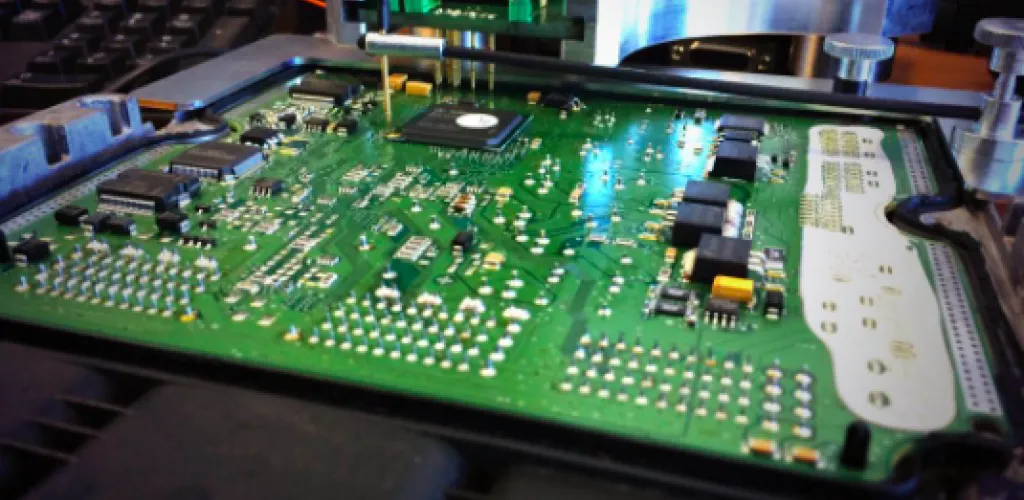
Older cars sometimes require physically replacing the chip inside the ECU:
- Removing the ECU from the car
- Disassembling the electronic unit
- Replacing the original chip with a reprogrammed one
- Reassembling and reinstalling
This method requires greater technical expertise and can be more costly.
Actual power and performance gains
Typical power gains
The actual power gain from an ECU remap varies significantly:
- Diesel turbo engines: 25-40% power increase
- Gasoline turbo engines: 15-30% power increase
- Naturally aspirated engines: 5-15% power increase
The overall average gain sits around 15-20% for most engines.
Torque improvements
Torque often benefits from even more impressive improvements than power, especially on turbo diesel engines, where gains of 30-50% can be achieved. This additional torque translates into:
- Better low-end acceleration
- Improved towing capacity
- More relaxed driving in traffic
Impact on fuel economy
Contrary to expectations, a correctly performed remap can improve fuel economy by 5-15% under normal driving conditions. The increased torque allows maintaining a lower engine speed for the same power requirement.
Safety and reliability considerations
Fuel quality
A remapped engine can be more sensitive to fuel quality. It is recommended to use higher-quality fuels.
Periodic maintenance
Some components may require more frequent replacement:
- Air filter
- Spark plugs (on petrol engines)
- Engine oil (slightly shorter intervals)
Vehicle warranty
Remapping can affect the manufacturer’s warranty, though effects are often reversible.
Costs involved
The price of a professional remap varies depending on:
- Engine complexity: 300-800 euros
- Method used: OBD vs. chip replacement
- Service reputation
- Vehicle model
In Romania, a quality remap typically costs between 300-500 euros for most models, representing one of the best price-to-performance modifications.
[Chip tuning] remains thus an attractive option for owners who want to improve their driving experience without major investments in complex mechanical modifications.