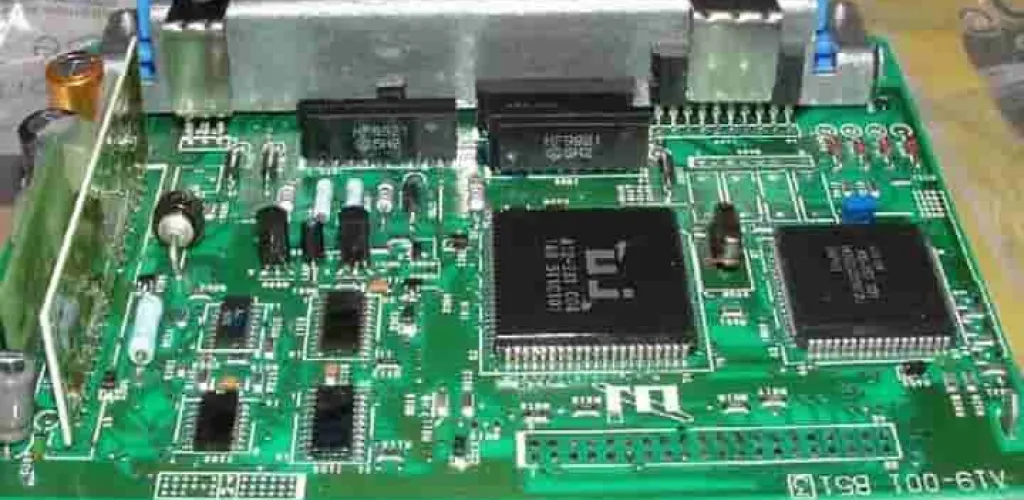
- ECU coordinates engine performance using data from dozens of sensors.
- When the ECU fails, power drops, fuel use rises, and behavior is unpredictable.
- Core functions include air-fuel control, fuel injection, ignition timing, idle, and emissions.
- Symptoms include Check Engine light, misfires, idle instability, power loss, or stalling.
Modern vehicles rely on the Engine Control Unit (ECU) to coordinate the engine’s performance. This central control unit processes data from dozens of sensors across the car to optimize power, efficiency, and emissions.
When the ECU fails, the effects are immediate and noticeable: engine power drops, fuel consumption rises sharply, and the vehicle’s behavior becomes unpredictable.
What is the Engine Control Unit (ECU) and how it works
The Engine Control Unit is a sophisticated microcomputer that manages all aspects of engine operation. It is typically located in the dashboard area or near the engine, and it collects data from numerous sensors to generate precise commands for various actuators.
The main functions of the ECU include:
- Air-fuel mixture control: Calculates and adjusts the optimal stoichiometric ratio for each operating moment
- Fuel injection management: Determines the timing and quantity of fuel injected into the cylinders
- Ignition control: Sets the exact ignition timing for each cylinder
- Idle speed regulation: Maintains engine stability at low RPM
- Emissions monitoring: Oversees anti-pollution systems and the catalytic converter
In more advanced versions, called Engine Management Systems (EMS), the ECU also controls aspects such as:
- Fuel rail pressure
- Turbocharger or compressor operation
- Exhaust gas recirculation (EGR) systems
- Engine temperature control
Symptoms of a faulty ECU
Recognizing ECU problems is crucial to prevent major engine damage. The following symptoms indicate a possible fault:
Check Engine light
The most obvious sign is the activation of the Check Engine light on the instrument cluster. While this light can indicate many issues, ECU faults are among the common causes.
For precise diagnostics, use an OBD2 scanner to read the error codes stored in the ECU memory. These codes provide specific information about the nature of the problem.
Erratic engine operation
A faulty ECU can cause:
- Misfires: The engine loses cylinders sporadically
- Idle instability: Idle speed fluctuates continuously
- Power loss: Acceleration becomes weak and unresponsive
- Stalling: The engine stops while driving, especially at low speeds
Increased fuel consumption
A defective ECU can no longer optimize operating parameters, resulting in:
- Fuel consumption rising 20–40% above normal values
- Increased exhaust emissions of smoke
- Risk of catalytic converter damage due to incomplete combustion
Starting problems
Starting difficulties may present as:

- Prolonged cranking with multiple attempts
- The engine starts but stops shortly after
- Total inability to start in severe cases
Locating and accessing the ECU
ECU locations vary by manufacturer:
- Dashboard area: Typically on the right or left side
- Engine bay: Protected in a sealed housing
- Under the front seats: On some premium models
- In the trunk: Rare cases, in vehicles with rear-mounted engines

For the exact location, consult the vehicle’s technical manual. The ECU is usually a metal box with multiple connectors and wires, labeled with identification tags.
Diagnosing ECU problems
Using an OBD2 scanner
The OBD2 scanner is the primary tool for diagnosing ECU problems. Procedure:
- Connection: Plug the scanner into the OBD2 port (usually under the steering wheel)
- Ignition on: Turn the key to the on position without starting the engine
- Scanning: Let the scanner read the error codes
- Interpretation: Review the codes according to the manufacturer’s specifications
Common ECU error codes include:
- P0606: ECU processor fault
- P0601: ECU internal memory fault
- P0602: ECU programming fault
Testing with a multimeter
For advanced diagnostics:
- Check power supply: The ECU should receive a constant 12V
- Check ground: Verify ground continuity
- Check signals: Measure voltages at the main sensors
Warning: Multimeter testing requires advanced technical knowledge and can damage the ECU if done incorrectly.
When and how to replace the ECU
Situations that require replacement
Replacement is necessary when:
- Internal electronic components are burnt or damaged
- The memory containing the program is irreversibly corrupted
- Physical damage to the housing (water ingress, impact)
- Repair costs exceed 70% of the price of a new unit
Replacement procedure
Essential preparations:
- Purchasing the ECU: Ensure the new unit is compatible with your vehicle
- Documentation: Keep the invoice and warranty documents
- Programming: Many modern ECUs require vehicle-specific programming
Replacement steps:
- Disconnect the battery: Remove the negative terminal and wait 15 minutes
- Access the ECU: Remove the necessary panels for access
- Disconnect: Carefully detach all connectors, marking their positions
- Removal: Unfasten the ECU from its mounting bracket
- Installation: Install the new ECU in reverse order
- Programming: Perform the adaptation/learning procedure

Important: After replacement, the vehicle may require a learning period during which the ECU adapts its parameters to the engine’s specifics.
Financial aspects and recommendations
Costs involved
ECU prices vary considerably:
- New original ECU: 1,500–4,000 RON
- Remanufactured ECU: 800–2,000 RON
- Labor for replacement: 200–500 RON
- Programming/adaptation: 150–400 RON
Factors influencing price
- Make and model of the vehicle: Premium cars have more expensive ECUs
- System complexity: Vehicles with more integrated functions
- Availability: Rare models may have higher prices
- Warranty offered: ECUs with extended warranty are more expensive
Tips to save costs
- Compare offers: Request quotes from at least 3 service centers
- Check warranty: Choose suppliers with a minimum 12-month warranty
- Proper scheduling: Ensure the service can program the new ECU
- Maintenance: Adhere to service intervals to prevent failures
Preventing ECU failures
To maximize ECU durability:
- Avoid humidity exposure: Check the enclosure’s seal integrity
- Battery maintenance: A faulty battery can affect the ECU
- Use quality fuels: Impurities affect sensors
- Regular services: Detect issues before they affect the ECU
- Avoid unauthorized modifications: Incorrect tuning can damage the ECU
A faulty ECU can turn a reliable car into an unpredictable and costly vehicle to maintain. Early recognition of symptoms and consulting qualified specialists are essential to avoid major damage and to maintain the vehicle’s optimal performance.