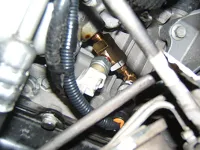
- Stall happens when fuel, air, ignition, or mechanical overload interruption stops the engine.
- Manual transmissions stall mainly from improper clutch use.
- Correct start: bite point, hold, gentle accelerator, then release clutch.
- Automatics rarely stall; torque converter allows slip except in severe faults.
Stalling is a common experience for many drivers, especially during the learning phase. This comprehensive guide explains what happens when your engine stalls and how you can prevent this situation.
Term ‘stall’ comes from English and refers to the abrupt and unexpected stopping of the engine. The engine ceases to rotate, and the vehicle remains immobile until the driver restarts the engine.
What happens technically when your engine stalls
When we say the engine ‘died,’ we refer to an abrupt stop of the internal combustion process and the rotation of the crankshaft. The engine of a car works by burning a mixture of fuel and air in the cylinders, which generates the energy needed to rotate the crankshaft.
A sudden stop can be caused by the interruption of one of the essential elements of this process:
- Fuel supply - when the fuel tank is empty or the fuel system has faults
- Air intake - when the air filter is clogged or there are blockages in the intake system
- Ignition system - failures in spark plugs, ignition coils or wiring
- Mechanical overload - when the engine cannot cope with too much resistance
Main cause in manual transmissions: the clutch
In cars with a manual transmission, in 99% of cases the engine stalls due to the driver’s action. This happens because of improper handling of the clutch pedal.
The engine stopping mechanism
The clutch’s role is to couple and decouple the engine from the gearbox. When the clutch pedal is released abruptly, the clutch disc clings to the flywheel, creating a rigid connection between the engine and the car’s wheels.
If the engine is not turning at sufficient rpm (below the idle regime of about 800-900 rpm), the resistance transmitted through the gearbox and wheels may be greater than the energy the engine can generate. The result is a sudden engine stop.
Common situations when the engine stalls
When starting from rest:
- Lifting the foot off the clutch pedal too quickly
- Insufficient acceleration during clutch engagement
- Starting on a ramp without using the handbrake
When stopping:
- Forgetting to leave the car in gear at a light or stop
- Abruptly releasing the clutch when the car is still moving
- Braking hard without pressing the clutch pedal
Correct start technique
To avoid engine stalls when starting from rest, follow these steps:
- Find the bite point - slowly raise the clutch pedal until you feel the car start to vibrate
- Hold the pedal at the bite point for 1-2 seconds
- Accelerate gradually - gently press the accelerator to raise the engine RPM
- Fully release the clutch - only after the car starts moving smoothly
Differences with automatic transmissions
In cars with automatic transmission, the engine stall phenomenon is extremely rare. The torque converter allows the slip between engine and transmission, preventing engine overload.
Exceptional situations when the engine can stall in an automatic transmission:
- Severe technical issues - faults in the fuel, ignition or intake system
- Incorrect maneuvers - shifting into Drive when the car is moving in reverse
- Overloading the system - towing too heavy trailers on steep grades
Note: Shifting into Drive when the car is moving in reverse can cause severe transmission damage, not just temporary engine stall.
Risks and consequences
In traffic
Stalling in traffic can be dangerous, especially:
- On highways or high-speed roads
- At busy intersections
- On ramps or steep grades
- In adverse weather conditions
For the vehicle
In most cases, engine stalls do not cause permanent damage to the vehicle. However, frequent repetition of this phenomenon can:
- Wear the clutch prematurely
- Overload the onboard electronics
- Affect the battery through repeated starts
Preventing engine stalls
For novice drivers:
- Practice starting on flat ground before attempting on slopes
- Learn to feel the clutch bite point
- Use the handbrake when starting on a slope
For all drivers:
- Check the air filter and spark plugs periodically
- Keep the fuel tank topped up
- Perform timely services to prevent technical problems
Engine stall is a normal part of learning to drive, and with practice and correct technique it becomes rarer. The important thing is to understand the mechanism behind this phenomenon to avoid it and drive safely.