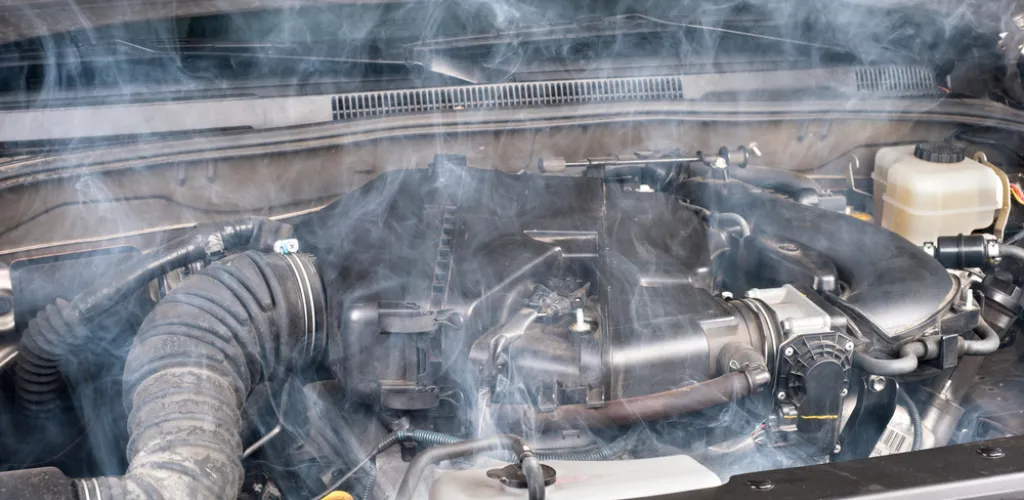
- Overheating is the common stall cause; check cooling system and coolant.
- Low engine oil leads to friction and possible engine seizure.
- Transmission fluid problems cause overheating, rough shifts, or stall.
- Stay calm and pull over safely if the engine stalls.
The unexpected engine stalling while driving is one of the most stressful situations a driver can face, especially in heavy traffic. This issue can arise from various technical causes and requires a calm and prompt response to avoid accidents and resolve the situation safely.
Whether you’re a novice or an experienced driver, it’s essential to know the main causes of this problem and how to react correctly to protect your safety and that of other road users.
Main causes of engine stalling while driving
There are numerous factors that can lead to the engine stalling unexpectedly. Knowing them can help you prevent such situations by proper vehicle maintenance.
Engine overheating
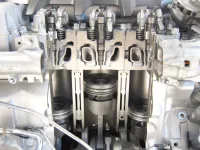
The most common cause of engine stalling is overheating. During operation, the combustion chamber burns the air–fuel mixture, generating thermal energy that becomes mechanical energy. This energy powers the engine components and the alternator to produce electricity.
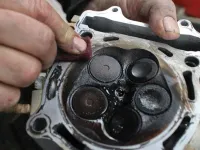
When the cooling system is not functioning efficiently due to a radiator, water pump, thermostat failure, or a low coolant level, the engine temperature may exceed normal limits. In extreme cases, excessive heat can cause warping or even piston meltdown, leading to immediate engine shutdown.
Signs of overheating:
- Temperature gauge in the red
- Steam escaping from under the hood
- Unusual smells in the cabin
- Irregular engine operation
Low engine oil level

Engine oil is vital for lubricating and protecting moving metal components. When the oil level falls below the required minimum, friction between parts rises dramatically, generating excessive heat and accelerated wear.
Oil leaks can be caused by:
- Deterioration of gaskets and seals
- Cracks in the oil pan
- Normal wear of components
- Inadequate maintenance
In severe cases, lack of lubrication can lead to engine seizure, a very costly failure requiring major repairs or even complete engine replacement.
Transmission fluid problems

Transmission fluid serves several essential functions: lubricating components, cooling the system, and enabling hydraulic power transfer. In automatic vehicles, this fluid is crucial for proper operation.
Low levels can cause:

- Transmission overheating
- Abrupt or missing gear shifts
- Vibrations and unusual noises
- In extreme cases, engine stalling
Regular checking of transmission fluid level and quality can prevent costly failures.
Engine mounting system faults
This is a rarer issue, but with potentially serious consequences. Engine mounts (silent blocks) secure the engine in the engine bay and dampen vibrations.
When these components deteriorate or break:
- The engine will vibrate excessively
- Metal noises may appear
- Adjacent components can be damaged
- In extreme cases, the engine may shut down due to disconnections of vital connections
Electrical system faults
Modern vehicle electronics are complex and interconnected. Electrical problems that can cause engine stalling include:
Problems with the electronic control unit (ECU):
- Failure of the main processor
- Software corruption
- Electromagnetic interference
Ignition system faults:
- Defective ignition coils
- Worn or contaminated spark plugs
- Damaged ignition wires
- Issues with the crankshaft position sensor
Faulty sensors:
- Mass air flow (MAF) sensor
- Throttle position sensor
- Oxygen (lambda) sensor
These problems are often signaled by the Check Engine light on the dashboard.
Catalytic converter problems
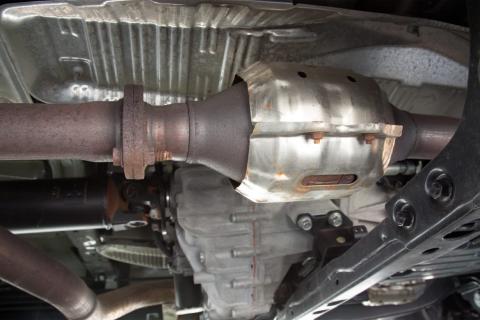
The catalytic converter is a key component of the exhaust system, responsible for reducing harmful emissions. Its failure can cause:
Catalytic converter blockage:
- Poor-quality fuel usage
- Burning oil in the combustion chamber
- Ignition system faults
Consequences of blockage:
- Excess backpressure in the exhaust
- Reduced engine performance
- Overheating of components
- Engine stalling due to suffocation
Other possible causes
Fuel system issues:
- Faulty fuel pump
- Clogged fuel filter
- Dirty or blocked injectors
- Empty tank (human error)
Air intake system faults:
- Very dirty air filter
- Leaks in the intake system
- Throttle body issues
How to react when the engine stalls
The correct reaction in the first moments can be the difference between a safely managed situation and a serious accident. Here are the essential steps to follow:
1. Stay calm and in control
The first and most important step is to remain calm and avoid panicking. Although stressful, keeping your composure is crucial for:
- Maintaining control of the vehicle
- Making correct decisions
- Avoiding sudden movements that could cause accidents
Important: When the engine stalls, assisted systems (power steering and brakes) will only work for a few seconds using residual pressure.
2. Maneuver to exit traffic
Immediately steer the vehicle toward the roadside or the emergency lane:
On normal roads:
- Activate the turn signal in the desired direction
- Change lanes gradually, without abrupt movements
- Stop as close as possible to the edge of the road
On highways:
- Move to the emergency lane
- Avoid stopping in traffic lanes
- If you cannot exit the traffic, engage hazards immediately
Note: Steering will be heavier without power assist, and braking will require more pedal effort.
3. Signal the vehicle’s presence

Once safely stopped:
- Turn on hazard lights immediately
- Do not use hazards while changing lanes to avoid confusing other drivers
- Keep hazards on for the duration of the stop
4. Place the reflective triangle
According to road rules, you must have a reflective triangle in the vehicle. Place it as follows:
In urban areas: 30–50 meters behind the vehicle On national roads: 100 meters distance On highways: 150–200 meters distance
Safety measures when placing the triangle:
- Exit the vehicle on the side away from traffic
- Wear a reflective vest (mandatory by law)
- Walk along the roadside facing traffic
- Place the triangle and quickly return to the vehicle
5. Assess the situation and try to restart
Once safely, you can try to identify the problem:
Quick checks:
- Fuel level
- On‑board indicators (temperature, oil pressure)
- Unusual noises or smells
- Presence of fluids under the vehicle
Restart attempt:
- Wait 2–3 minutes before trying
- If the engine starts, assess whether it is safe to continue
- At the first sign of trouble, stop immediately
6. Seek specialized assistance

If the engine cannot be restarted or the problem persists:
Assistance options:
- Roadside assistance (if you have insurance or a subscription)
- Professional towing services
- Friends or family with automotive experience
- Emergency service 112 if the situation is dangerous
Information needed when calling:
- Exact location (milage, landmarks)
- Type of problem and symptoms
- Make, model and year of the vehicle
- Number of people in the vehicle
7. Safety measures while waiting
Inside the vehicle:
- Keep the seat belt fastened
- Keep hazards on
- Do not leave the vehicle without a reason
Outside the vehicle:
- Stay away from the roadway
- Wear a reflective vest
- Be visible to other vehicles
Preventive measures to avoid problems
Prevention is always better and cheaper than emergency repairs:
Regular maintenance
Periodic checks:
- Engine oil level (weekly)
- Coolant level (monthly)
- Transmission fluid level (every 6 months)
- Battery and terminals condition
- Ignition system operation
Scheduled replacements:
- Engine oil and filter (per manual)
- Air filter (annual or every 15,000–20,000 km)
- Spark plugs (per manufacturer specs)
- Coolant (every 2–3 years)
- Timing belt (per recommended interval)
Pay attention to warning signals
On-board indicators:
- Check Engine – consult a specialist immediately
- Engine temperature – stop and let it cool
- Oil pressure – stop the engine immediately
Physical symptoms:
- Unusual vibrations
- Abnormal noises from the engine bay
- Smells of antifreeze, burnt oil or fuel
- Reduced engine performance
Mandatory safety equipment
In the vehicle you should have:
- Approved reflective triangle
- Reflective vest for each occupant
- First aid kit
- Fire extinguisher (recommended)
- Flashlight with spare batteries
- Roadside assistance numbers
Conclusion
Engine stalling while driving can be a frightening experience, but with the right knowledge and a calm reaction, you can manage the situation safely. The most important thing is to act preventively through regular vehicle maintenance and to know how to respond correctly in an emergency.
Remember that your safety and that of other road users is the number-one priority. Do not hesitate to seek specialized help when the situation requires it, and if problems recur, consult a mechanic for a full vehicle diagnosis.