- Oil change intervals range from 8,000–15,000 km depending on oil type.
- Driving conditions can shorten or extend intervals (city driving, extreme temperatures, short trips).
- Monitor intervals with onboard counters or reminders from the manual or mechanic.
- Signs you need an oil change include oil color, consistency, smell, and noises.
Engine oil is the lifeblood of your vehicle’s engine, ensuring lubrication of moving components and protecting against premature wear. Proper lubrication maintenance can significantly extend the engine’s life and prevent costly repairs.
Regular oil changes are not just a recommendation - they are an absolute necessity for optimal engine operation. Neglecting this aspect can lead to irreversible damage to internal engine components.
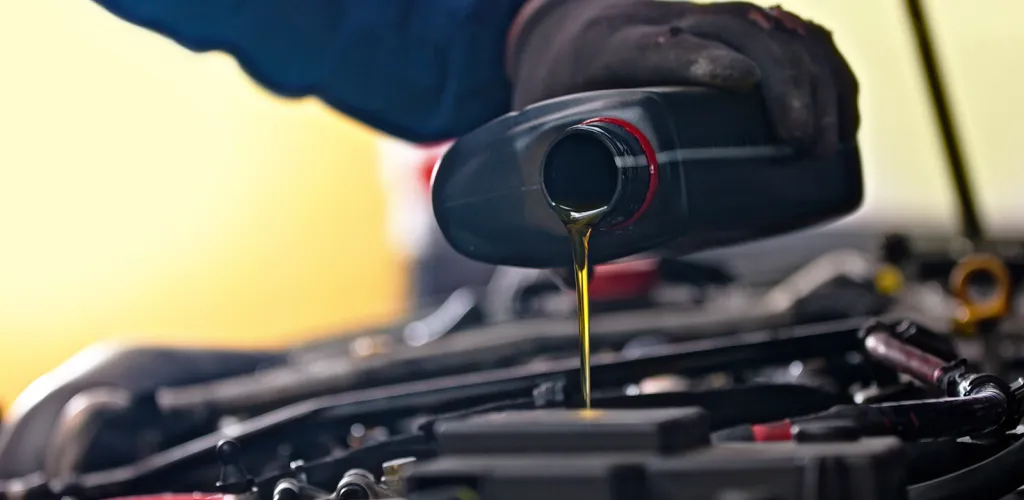
Oil change is a critical part of keeping the engine in good running order.
Why engine oil is crucial for your vehicle
Engine oil serves several vital functions in the propulsion system:
- Lubrication: reduces friction between the moving parts of the engine, such as pistons, connecting rods, and crankshaft
- Cooling: helps dissipate heat generated by combustion and component friction
- Cleaning: carries impurities and metal particles to the oil filter
- Sealing: contributes to sealing between rings and cylinders
- Anti-corrosion protection: prevents rusting and corrosion of metal parts
Oil change is a critical part of maintaining the engine in good running order.
Standard oil change intervals
Depending on your car and the type of oil it uses, it is recommended to change the oil every 8,000–15,000 km and replace the oil filter at every interval.
Factors influencing the interval:
Oil type used:

- Mineral oil: 8,000–10,000 km
- Semi-synthetic oil: 10,000–12,000 km
- Synthetic oil: 12,000–15,000 km
Driving conditions:
- City driving with frequent stops
- Extreme temperatures (very hot or very cold)
- Short trips with a cold engine
- Driving on dusty roads
- Frequent towing or heavy loads
How to monitor service intervals
Onboard systems
Some cars have an onboard service interval counter that automatically calculates when an oil change is due based on:
- Mileage
- Engine running time
- Driving conditions
- Engine temperature
Alternative monitoring methods
If your car does not have a built-in system, use reminders such as those provided by your mechanic. You can also consult the owner’s manual to see the constructor’s recommended interval.
Practical methods:

- Record the mileage at the previous change
- Use mobile apps for auto maintenance
- Labels with the date of the next service
- Digital calendar with reminders
Signs that your engine needs an oil change
Visual and tactile indicators:
- Oil color: fresh oil is olive or amber; used oil turns black
- Consistency: degraded oil becomes more viscous or, conversely, too thin
- Smell: a burnt or acrid odor indicates oil overheating
Engine-level symptoms:
- Metallic noises from the engine
- Lower oil pressure on the gauge
- Increased fuel consumption
- Excessive smoke from the exhaust
Types of oil and technical specifications
It is useful to understand why cars have different oil-change intervals, as well as the correct type of oil used in the engine.
Important classifications:
Viscosity (SAE):
- 0W-20, 5W-30, 10W-40 — the first number indicates fluidity at low temperatures
- The second number indicates viscosity at operating temperature (100°C)
API/ACEA specifications:
- API SN, SP for gasoline engines
- API CK-4, CJ-4 for diesel engines
- ACEA A3/B4, C3 for European standards
Consequences of neglecting oil changes
Neglecting regular oil changes can lead to:
- Engine seizure: lack of lubrication can cause a complete blockage
- Premature wear: components wear out faster
- Sludge deposits: degraded oil forms deposits in the engine
- Warranty loss: manufacturers may deny warranty due to maintenance neglect
- High repair costs: a major overhaul can cost thousands of euros
Tips for optimal maintenance
- Strictly follow the intervals: do not delay the oil change
- Use the recommended oil: check the specifications in the manual
- Always replace the filter: a clean filter ensures effective filtration
- Regularly check the level: monitor the oil level weekly
- Keep documentation: note the date and mileage for each change
Proper lubrication system maintenance is the most cost-effective investment you can make in your vehicle, ensuring consistent performance and maximum engine longevity.