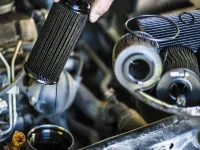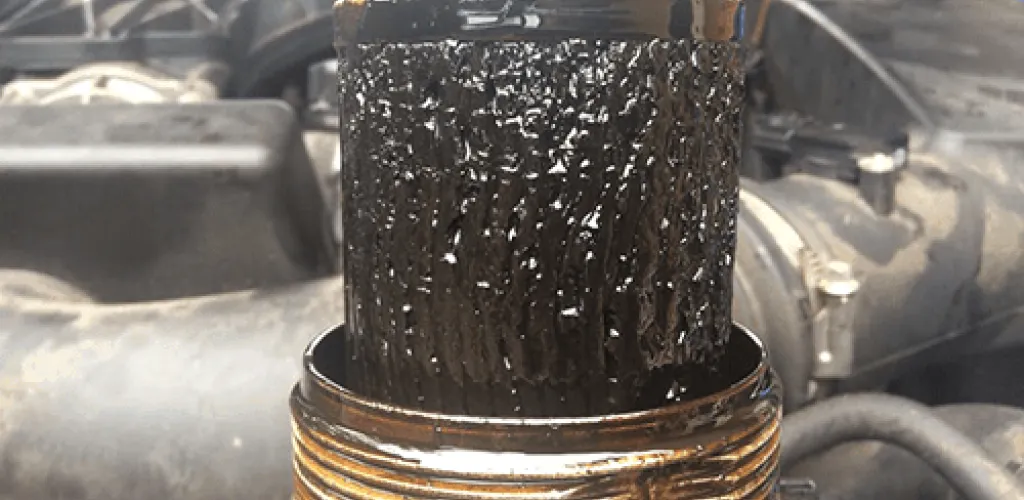
- Oil filters remove metal particles, carbon, and debris; without it, engine damage occurs.
- Heat accelerates degradation, forming polymers, gels, and acidic compounds harming oil.
- General intervals: 10,000–15,000 km with synthetic oil; 7,500–10,000 km with mineral.
- Severe conditions: change every 5,000–7,500 km; urban driving, idling, extreme temps.
Proper engine maintenance is crucial for performance and longevity, and regular oil filter replacement is one of the most important tasks. Neglecting this seemingly simple component can have devastating consequences on the engine, while timely replacement guarantees optimal operation of all moving parts.
Knowing the right moment to change the oil filter and understanding the importance of this operation will help you avoid costly repairs and keep the engine’s performance at its best.
The Essential Role of the Oil Filter in the Engine
The oil filter has a critical mission in the lubrication system: to clean the oil of all impurities that accumulate during operation. These include:
- Metal particles: Generated by the wear of moving components (pistons, bearings, crankshaft)
- Carbon deposits: Results of incomplete fuel combustion
- Rubber and plastic residues: From degraded gaskets and hoses
- Dust and external particles: That enter the system through various paths
- Oil degradation products: Formed under heat and pressure
Oil filter must ensure the engine constantly has a clean oil flow, free of residues. An engine without a functional filter is equivalent to an engine that has never had its filter changed — both situations lead to rapid internal component damage.

Why the Oil Filter Degrades Over Time
Over the course of operation, the oil filter gradually loses efficiency for several technical reasons:
Thermal Degradation of the Oil
High engine temperatures (80-120°C in normal operation) accelerate the chemical degradation processes of the oil. This phenomenon creates:
- Polymers and gels that clog the filter
- Solid degraded oil particles
- Acidic compounds that attack metal components
Progressive Wear of Components
In high-mileage vehicles, natural wear of the components generates:
- More metal particles in suspension
- Increased clearances between parts, allowing impurities to penetrate
- Accelerated degradation of seals and gaskets
External Contamination
Even under normal operating conditions, the engine is exposed to:
- Atmospheric dust through the ventilation system
- Humidity that promotes corrosion
- Fuel vapors that dilute the oil
Optimal Intervals for Oil Filter Change
General Manufacturer Recommendations
Most automakers specify changing the filter at 10,000-15,000 km for modern vehicles with synthetic oils and at 7,500-10,000 km for mineral oil. These intervals assume normal operating conditions.
Severe Conditions Requiring Shorter Intervals
In the following situations, the filter should be changed at 5,000-7,500 km:
Traffic conditions:
- Predominantly urban driving with frequent stops
- Prolonged parking with the engine idling
- Repeated rapid accelerations and braking
Environmental conditions:

- Regularly extreme temperatures below -15°C or above +35°C
- Dusty or unpaved roads
- Areas with high humidity or salinity
Mechanical demands:
- Regular towing or carrying heavy loads
- Sport driving with high RPMs
- Vehicles used professionally (taxis, courier services)
Particularities for High-Mileage Engines
Vehicles with over 150,000 km require extra attention:
- Change the filter at 7,000-8,000 km
- More frequent monitoring of oil quality
- Use premium filters with higher retention capacity
Identifying the Critical Moment to Change
Methods to Check Filter Condition
For vehicles with external oil filters types, visual inspection is possible:
- New filter: White or light yellow color of the filtering element
- Normal used filter: Uniform brown coloration
- Degraded filter: Black color, compact and clogged element
Symptoms of a Clogged Filter
On-board indicators:
- Intermittent oil pressure warning light
- Drop in oil pressure reading from the sensor
- Engine temperature rise
Audible and behavioral signs:
- Metallic noises from the engine, especially at startup
- Difficult startup in cold conditions
- Loss of engine power at high revs
- Increased fuel consumption
Oil changes in appearance:
- Rapid darkening of freshly changed oil
- Abnormal viscous texture
- Visible particles in the oil
Consequences of Neglecting the Filter Change
Degradation of Filtration Efficiency
Studies show the following progression:
- 0-10,000 km: Filtration efficiency 95-100%
- 10,000-20,000 km: Efficiency drops to 80-90%
- 20,000-30,000 km: Efficiency reaches 50-70%
- Above 30,000 km: Efficiency below 30%, effectively non-functional

The Bypass Mechanism and Its Limits
Modern filters are equipped with a bypass valve that opens when the differential pressure becomes too high. This valve:
- Activates at a pressure difference of 1.5-2.5 bar
- Allows unfiltered oil to pass to avoid total lubrication failure
- Is a safety measure, not a permanent solution
Costly Damages Resulting
Bearings wear:
- Abrasive particles wear contact surfaces
- Replacement cost: 2,000-5,000 lei, depending on the engine
Piston seizure:
- Contaminated oil no longer provides proper lubrication
- Repair cost: 3,000-8,000 lei for engine reconstructions
Oil circuit clogging:
- Residues block narrow lubrication channels
- May require complete engine replacement: 5,000-15,000 lei
The Correct Oil Filter Change Procedure
Tools and Materials Needed
For external screw-in filters:
- Adjustable oil filter wrench
- Specific socket wrench (if space is tight)
- Oil drain pan (minimum 6 liters)
- Funnel for adding new oil
For internal (cartridge) filters:
- Specialized cartridge filter housing wrench
- Set of new sealing O-rings
- Torque wrench for correct tightening
Steps of the Change Procedure
1. Vehicle preparation:
- Warm up the engine 5-10 minutes to thin the oil
- Park on ramps or a flat surface for easy access
- Disconnect the negative battery terminal (safety precaution)
2. Removing the old filter:
- Position the drain pan under the filter
- Unthread counterclockwise
- Watch for hot oil spills
3. Preparation for mounting:
- Clean the sealing surface with a clean rag
- Ensure the old gasket is completely removed
- Lightly coat the new gasket with fresh oil
4. Installing the new filter:
- Thread manually until the gasket contacts the surface
- Tighten 3/4 of a turn after full contact
- CAUTION: Over-tightening can damage the threads or gasket
5. Final checks:
- Refill with new oil to the recommended level
- Start the engine and check for leaks
- Inspect again after 500 km for any tightening issues
Criteria for Choosing the Right Filter
Types of Filters by Technology
Paper-impregnated filters:
- Low cost: 30-60 lei
- Filtration efficiency 90-95%
- Suitable for normal operating conditions
Synthetic filters:
- Average price: 60-120 lei
- Filtration efficiency 98-99%
- Increased durability, resistance to extreme temperatures
Premium filters with advanced technologies:
- Higher cost: 100-200 lei
- Filtration efficiency up to 99.9%
- Magnetic materials for fine metal particles
Compatibility Factors
- Exact technical specifications: Thread size, length, gasket diameter
- Maximum operating pressure: Must match engine specifications
- Operating temperature: Important for high-stress engines
- Compatibility with oil type: Mineral, semi-synthetic, or synthetic
Recommendations for Optimal Choice
For proper maintenance and maximizing durability:
- Always choose OE (Original Equipment) or equivalent high-quality filters
- For turbocharged engines, invest in premium filters with high efficiency
- For high-mileage engines, use filters with increased retention capacity
- Keep maintenance history documentation
Integration into the Overall Maintenance Schedule
Synchronization with the Oil Change
Changing the oil and the filter at the same time optimizes:
- Labor costs (one intervention)
- Filtration efficiency (new filter with fresh oil)
- Maintenance planning simplicity
Record-Keeping and Monitoring
- Note mileage and date of the change
- Keep receipts for warranty purposes
- Monitor engine behavior between changes
- Adjust intervals based on operating conditions
Conclusion: Small Investment, Major Benefits
Regularly changing the oil filter is one of the most effective investments in engine health. With a cost of 50-150 lei, this operation prevents damage that can exceed 5,000-10,000 lei.
Following the recommended intervals, selecting quality filters, and closely monitoring the lubrication system will ensure a high-performing and reliable engine for hundreds of thousands of kilometers. Remember that preventive maintenance is always cheaper than emergency repairs.
Sursa foto: 5productreviews.com, pgfilters.com, thevehiclelab.com, digitaltrends.com