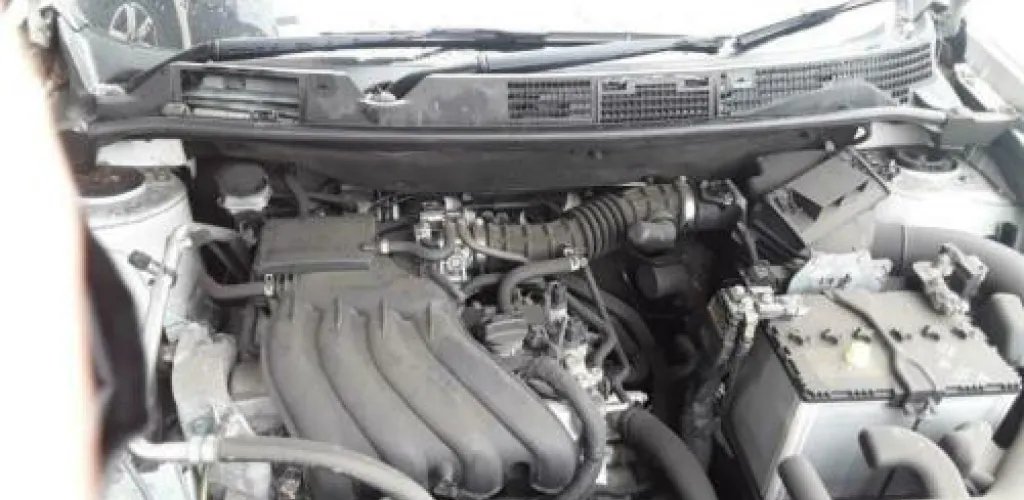
- 1.6 L HR16DE evolves Renault K4M, boosting efficiency, power, and emissions
- It adds variable valve timing, drive-by-wire throttle, and two injectors per cylinder
- Aluminium block and head with DOHC, four valves per cylinder, 1598 cc, 9.5:1
- Used across Qashqai, Juke, Note, Micra, Versa, NV200, and more
The Nissan HR16DE is an evolution of the well known K4M engine developed by Renault. In the French manufacturer’s lineup, this engine is known as the H4M and is used on various models from the Renault-Nissan alliance. It was developed to replace the QG16DE unit, bringing significant improvements in efficiency, power, and emissions compliance.
This 1.6 L engine stands out for its modern technology, including a variable valve timing system and advanced electronic engine management. Like any engine, however, it comes with its own quirks and potential issues that owners should be aware of.
Architecture and technology
The HR16DE benefits from several modern technical solutions that place it among competitive powerplants in its segment. The variable valve timing system acts on the camshaft, optimizing performance across different operating ranges. The electronic throttle (drive-by-wire) allows precise control of the air flow, contributing to reduced consumption.
A notable feature of this engine is the presence of two fuel injectors per cylinder, a technology that enables better fuel atomization and more efficient combustion. This solution helps both to increase power and to lower emissions.
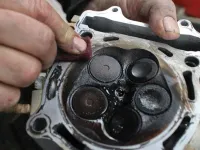
The propulsion system uses a DOHC (Double Overhead Camshaft) configuration with four valves per cylinder, ensuring optimal cylinder filling and efficient exhaust of burnt gases. The engine block and cylinder head are made of aluminium, reducing overall weight and improving heat dissipation.
Technical specifications
Production and manufacturing:
- Plants: Atsuta Plant, Oppama Plant, Shonan Plant (Japan), Nissan Motor Manufacturing UK, Nissan Motor Iberica S.A., Dongfeng Motor Company
- Production period: 2006 - present
Construction features:

- Block material: Aluminium
- Cylinder head material: Aluminium
- Fuel type: Gasoline
- Fuel system: Multi-point electronic injection
- Configuration: Inline
- Number of cylinders: 4
- Valves per cylinder: 4
- Timing: DOHC with variable valve timing
- Bore x stroke: 78.0 mm x 83.6 mm
- Displacement: 1598 cm³
- Compression ratio: 9.5:1
- Maximum power: 110-117 hp at 6000 rpm
- Maximum torque: Varies by version
- Timing chain: Timing chain
- Emissions compliance: Euro 5
These specifications place the HR16DE in a mid range of power, adequate for urban and extra-urban use, but not aimed at sports performance.
HR16DE-equipped models
The Nissan HR16DE has been used in a wide range of vehicles in the Japanese manufacturer portfolio. This broad distribution demonstrates the engine s versatility and adaptability to different body styles and market segments.
Applicability:
- Nissan Qashqai (first and second generations)
- Nissan Juke
- Nissan Note
- Nissan Tiida
- Nissan Micra
- Nissan Wingroad
- Nissan Cube
- Nissan Bluebird Sylphy
- Nissan Latio
- Nissan Grand Livina
- Nissan Versa
- Nissan NV200
This list covers models aimed at the European market as well as vehicles sold in Asia and North America, confirming the engine s global status.
Maintenance and service requirements
An important aspect of the HR16DE is the absence of hydraulic tappets, which means that valve clearance must be adjusted manually. The manufacturer recommends performing this at every 120,000 km. Ignoring this maintenance can lead to premature wear of the timing mechanism and loss of performance.
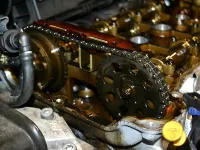
The timing chain, while theoretically a long-lasting component, has proven to be a weak point of this engine. Chain stretch tends to occur prematurely in many owners, producing noise on cold starts and potentially causing serious problems if not replaced in time. Monitoring the chain condition and the tensioner is essential for engine longevity.
Engine oil should be changed according to the manufacturer s recommendations, using grades specified in the technical manual. Using a high quality oil can extend the life of internal components.
Common problems and solutions
1. Engine whines
The whining sound usually originates from the accessory belt. The first step is to check belt tension; a belt that is too slack will produce characteristic noises. If retensioning does not solve the issue, replacing the belt with a new one is recommended. It is important to inspect the condition of idler pulleys and the alternator, as worn bearings can cause similar noises.
2. Unexpected engine stalling
This is a serious issue that led Nissan to initiate a recall campaign. The fault lies with the ignition unit relay that can fail suddenly, immobilizing the vehicle. The solution is a complete replacement of the ignition unit with an improved version. Affected vehicle owners should check whether their car is part of the recall batch and have the repair performed at a dealer free of charge.
3. Engine vibrations
Engine vibrations usually indicate worn engine mounts, especially the right one. The hydraulic engine mounts help absorb vibrations and isolate the cabin from engine noise. When worn, comfort decreases and vibrations transmit into the body. Replacing the damaged mounts is the only effective solution.
4. Cold start difficulties
This appears to be an intrinsic characteristic of the HR16DE, particularly in early versions. The issue shows up as hard cold starts during winter. A few solutions can improve the situation:
- Replace spark plugs with higher quality ones, following the manufacturer s specifications
- Check the battery and starting system
- Try starting with the accelerator pedal lightly pressed
- Use engine oil with viscosity suitable for low temperatures
Although these measures can help, the cold start problem remains a weakness of this propulsor in cold climates.
Performance and fuel economy
Thanks to refinements over the QG16DE that it replaced, the HR16DE offers a reasonable balance between performance and efficiency. The new camshafts and improved fuel delivery system reduced consumption while increasing power and available torque.
In real world use, the engine typically consumes around 6-7 L/100 km in mixed cycles, with a possibility to drop below 6 L/100 km on extra-urban roads at steady speeds. In heavy city traffic, consumption can rise to 8-9 L/100 km.
Performance is respectable for a 1.6 liter naturally aspirated engine, providing enough power for overtaking and urban acceleration, but not impressive in terms of dynamism. Maximum torque is available at mid to high RPMs, which means the engine needs to be kept in the higher rev range to deliver its best performance.
Comparison with the MR20DE engine
The HR16DE can be considered the smaller version of the MR20DE 2.0 liter engine. Both engines share the same base architecture and design philosophy, with MR20DE offering more power and torque due to its larger displacement. For users who do not require extra power and prefer lower fuel consumption, the HR16DE is the more economical choice.
Conclusion
The Nissan HR16DE is a conventional, broadly reliable engine suitable for everyday use. The modern technology implemented ensures compliance with strict emission standards and provides reasonable fuel economy. However, potential buyers should be aware of known issues, especially those related to the timing chain and the ignition unit.
Regular and careful maintenance is the key to maximizing the engine s lifespan. Following service intervals, using quality parts, and promptly addressing problems can make the HR16DE a trusted partner for hundreds of thousands of kilometers.
Source photo: breakeryard.com