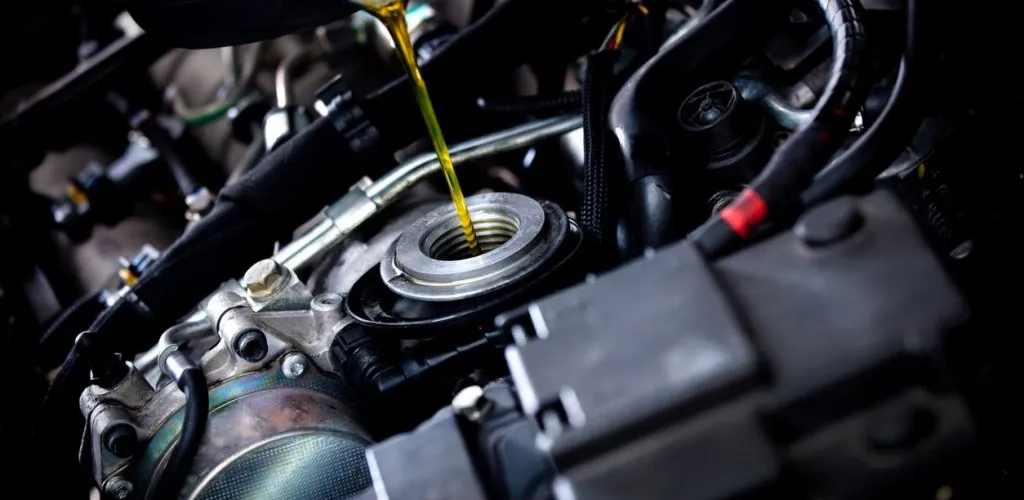
- Lubrication cools, cleans, and protects engine components to prevent wear.
- Oil pan stores oil (3.8–8 L) and collects sediment.
- Oil pump (gear or vane) circulates oil, driven by the crankshaft.
- Distribution network feeds main bearings, connecting rod bearings, timing, and valve guides.
Engine lubrication is one of the most critical systems in any internal combustion engine. Without proper lubrication, metal components wear rapidly, temperatures rise dramatically, and the engine can fail within minutes. This complex system not only lubricates moving parts but also cools, cleans, and protects the entire engine assembly.
Understanding how the lubrication system works is essential for any vehicle owner, because it helps keep the engine in optimal condition and prevent costly damage.
Key components of the engine lubrication system
Oil pan (lower crankcase)
The oil pan constitutes the main reservoir of the system, located at the bottom of the engine. This component stores oil when the engine is off and serves as the collection point for oil returning from the lubrication circuit. The oil pan capacity varies between 3.8 and 8 liters, depending on engine displacement and type.
The pan is fitted with a drain plug for oil changes and, in many cases, a dipstick for checking the oil level. Its design allows sedimentation of heavy particles and partial separation of contaminants.
Oil pump – the heart of the lubrication system
The oil pump is the driving component of the entire lubrication system. It creates the pressure needed to circulate oil through all channels and galleries of the engine. There are two main pump types:
- Gear pump: the most common, uses two gears to draw in and compress the oil.
- Vane pump: more complex, provides a steadier flow and is used in high-performance engines.
The pump is driven directly by the crankshaft through a chain, belt, or gears, ensuring synchronization with the engine.
Distribution network – oil galleries
Oil galleries are a complex network of passages, pipes, and orifices that distribute pressurized oil to all critical engine areas. They are machined directly into the engine block and cylinder head, forming a network that feeds:

- Main bearings of the crankshaft
- Connecting rod bearings
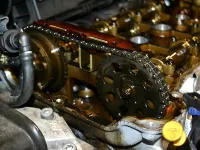
- Timing mechanism
- Valve guides
- Variable valve timing systems
Oil pressure relief valve
This valve maintains oil pressure within optimal limits, regardless of engine speed. When pressure becomes too high, the valve opens and allows some oil to return to the oil pan, preventing damage to the system.
Oil filter – purification system
The oil filter removes impurities, metal particles, and other contaminants from the circulating oil. The filter element can trap particles down to about 25-30 microns, protecting sensitive engine components. Modern filters include a bypass valve that permits oil flow even when the filter is clogged.
Injectors and oil nozzles
These components direct oil to specific areas that require heavy lubrication, such as:
- Piston skirts (for cooling)
- Timing chains
- Turbocharger
- Intake and exhaust valve guides
Types of lubrication systems
Wet sump system
Used on most production vehicles, this system has the oil pan integrated at the bottom of the engine. Advantages include:
- Simple construction
- Low production and maintenance costs
- High reliability
- Easy servicing
A single oil pump provides the entire circulation, and the cooling system benefits from the natural airflow under the vehicle.
Dry sump system
Designed for high-performance and sport applications, this system separates the oil reservoir from the engine itself. Distinct characteristics:
Advantages:
- Lower center of gravity
- Eliminates oil starvation during high lateral accelerations
- Flexibility in engine placement
- Better oil temperature control
- Higher oil capacity
Disadvantages:
- Increased complexity
- Multiple oil pumps (minimum two)
- Higher costs
- More complex maintenance
Essential functions of engine oil
Lubrication – primary function
Oil forms a thin film between contacting metal surfaces, eliminating direct metal-to-metal friction. This lubricating film prevents:
- Wear from friction
- Scuffing of components
- Heat generation from friction
- Mechanical noise
Without lubrication, clearances between components would rapidly decrease due to wear, leading to engine seizure.
Cooling of components
Oil absorbs heat generated by:
- Friction between components
- Combustion process
- Combustion chamber pressures
Through its continuous circulation, oil carries heat from critical areas to the oil pan, where it cools via contact with ambient air or an oil cooler.
Internal cleaning of the engine
Combustion byproducts and normal wear generate:
- Carbon particles
- Metal debris
- Tar deposits
- Combustion acids
Oil suspends these contaminants and carries them to the filter, keeping the engine interior clean.
Improved sealing
Oil improves sealing between:
- Pistons and cylinders
- Valves and their seats
- Compression rings
This function enhances engine efficiency and reduces harmful emissions.
Anticorrosive protection
Additives in oil neutralize acids formed during combustion and protect metal surfaces against:
- Chemical corrosion
- Oxidation
- Rust formation
- Acid attack
Complete lubrication cycle
The lubrication process follows a precise sequence:
Suction phase
- The oil pump draws oil from the oil pan through the suction port
- Oil passes through the suction filter (if present)
Pressurization phase
- The pump compresses the oil to the working pressure (2-6 bar)
- Pressurized oil is directed toward the main filter
Filtration phase
- The filter removes impurities and particles
- The bypass valve allows oil flow if the filter is clogged
Distribution phase
- Clean oil reaches the main gallery
- It is distributed to all lubrication points:
- Main bearings of the crankshaft
- Connecting rods and pistons
- Distribution mechanism
- Turbocharger (if present)
- Other moving components
Return phase
- The oil returns to the oil pan by gravity
- The cycle repeats continuously
Types of engine oils
Conventional mineral oil
Characteristics:
- Derived from crude oil via refining
- Most economical
- Acceptable performance for standard engines
- Shorter oil-change intervals
Advantages:
- Affordable
- Broad compatibility
- High availability
Drawbacks:
- Sensitive to extreme temperatures
- Degrades faster
- Limited performance
Fully synthetic oil
Characteristics:
- Artificial product from chemical compounds
- Superior performance
- High thermal stability
- Long intervals between changes
Advantages:
- Optimal operation at extreme temperatures (-40°C to +150°C)
- Resistant to degradation
- Superior lubrication properties
- Improved fuel economy
- Enhanced wear protection
Drawbacks:
- Higher cost
- Possible compatibility issues with old gaskets
Semi-synthetic (blend) oil
Characteristics:
- Blend of mineral and synthetic oil
- Compromise between performance and price
- Suitable for most applications
SAE viscosity grading
SAE grading system
The Automobile Engineers Society (SAE) standardizes the viscosity grading system:
Grading format:
- XW-Y (e.g., 5W-30)
- X = viscosity at low temperature
- W = Winter
- Y = viscosity at high temperature
Practical grading examples
0W-20: Very fluid oil, suitable for:
- Modern engines with tight tolerances
- Cold climates
- Maximum fuel economy
5W-30: Most common, universal for:
- Most modern engines
- All-season use
- Balance of protection and economy
10W-40: Thicker oil for:
- High-mileage engines
- Hot climates
- Engines with greater wear
15W-50: For special applications:
- High-performance engines
- Very high temperatures
- Intensive use
Importance of choosing the correct grade
Using the wrong grade can cause:
- Oil too fluid: accelerated wear, oil burn-off, insufficient protection
- Oil too viscous: hard starting when cold, higher fuel consumption, poor circulation
Additives in modern oil
Viscosity index improvers (VII)
These polymers allow oil to maintain optimal viscosity across temperature changes, reducing the need for seasonal changes.
Detergents and dispersants
- Detergents clean metal surfaces
- Dispersants keep impurities in suspension
- Together they prevent deposit formation
Anti-wear (AW) and extreme pressure (EP) additives
- Reduce friction under high load
- Protect under extreme operating conditions
- Contain zinc, phosphorus, and sulfur compounds
Antioxidants and stabilizers
- Prevent oil oxidation
- Extend change intervals
- Maintain lubrication properties
Corrosion and rust inhibitors
- Neutralize combustion acids
- Protect metal components
- Extend engine life
Pour-point depressants
Allow oil to circulate at very low temperatures, facilitating cold starts.
Common lubrication system problems
Oil leaks – causes and solutions
Oil leaks can have multiple sources:
Minor leaks:
- Loose drain plug or worn gasket
- Incorrectly installed oil filter
- Oil pan gasket
Major leaks:
- Worn cylinder head gasket
- Valve cover gasket
- Oil pump seals
- Oil line fittings
Warning signs:
- Oil spots under the car
- Blue smoke from exhaust
- Low oil level
- Dirty coolant with oil contamination
Low oil pressure
Possible causes:
- Insufficient oil level
- Worn or faulty oil pump
- Clogged filter
- Wrong viscosity for temperature
- Worn bearings (increased clearances)
- Stuck-open relief valve
Symptoms:
- Oil pressure warning light
- Metallic engine noises
- Rough running
- Increased engine temperature
Oil degradation
Causes:
- Long change intervals
- Running at high temperatures
- Contamination with fuel or coolant
- Clogged filter
- Severe operating conditions
Signs:
- Black or dark brown color
- Thick, sticky consistency
- Strong, acrid odor
- Visible particles
- Foaming on dipstick
Excessive oil consumption
Internal causes:
- Worn piston rings
- Worn valve guides
- Worn valve seals
- Cylinder wear
External causes:
- Visible leaks
- Worn gaskets
- Turbocharger issues
Optimal maintenance schedule
Regular oil changes
Recommended intervals:
- Mineral oil: 5,000–7,500 km
- Semi-synthetic: 7,500–10,000 km
- Fully synthetic: 10,000–15,000 km
Factors affecting intervals:
- Driving conditions (traffic, short trips)
- Climate (extreme temperatures)
- Driving style
- Age and condition of the engine
Regular level checking
Correct procedure:
- Engine off and cool (minimum 5 minutes)
- Vehicle on level ground
- Remove and clean the dipstick
- Reinsert fully and withdraw to read
- The level should be between MIN and MAX
Checking frequency:
- Monthly for new vehicles
- Bi-weekly for vehicles with over 100,000 km
- Before long trips
Replacing the oil filter
The filter must be changed at every oil change to:
- Maintain filtration capacity
- Prevent re-circulation of impurities
- Ensure optimal oil flow
Choosing the right oil
Selection criteria:
- Manufacturer specifications: ACEA, API, OEM specs
- SAE grade per recommendations
- Oil type (mineral, semi-synthetic, synthetic)
- Operating conditions
- Age and mileage of the engine
Monitoring warning signals
Visual indicators:
- Oil pressure light on the dashboard
- Oil color and consistency
- Visible leaks
- Exhaust smoke
Auditory indicators:
- Metallic noises
- Valve train ticking
- Oil pump noise
Olfactory indicators:
- Smell of burnt oil
- Smoke in the cabin
- Odor from the exhaust
Modern technologies in lubrication systems
Electronic monitoring
Modern systems include:
- Oil pressure sensors
- Oil temperature sensors
- Viscosity monitoring systems
- Oil life indicators
Variable-flow oil pumps
These pumps adjust the flow based on:
- Engine speed/load
- Oil temperature
- Engine demand
- Operating conditions
Advantages:
- Lower fuel consumption
- Reduced friction losses
- Improved efficiency
Oil cooling systems
Oil coolers are essential for:
- High-demand engines
- Operation in extreme conditions
- Maintaining optimal temperature
- Extending oil life
Oil changes performed at correct intervals and with appropriate products represent the most important preventive maintenance measure for any engine.
Conclusion
The lubrication system is the backbone of any internal combustion engine. Its proper operation directly determines longevity, reliability, and performance. A solid understanding of its components, functions, and maintenance requirements enables owners to keep their vehicles in optimal condition and avoid costly repairs.
Failing to follow the maintenance schedule or ignoring warning signs can lead to catastrophic damage requiring a full engine replacement. Investing in quality oils and regular maintenance pays off quickly by reducing repair costs and extending the engine’s life.
For any issue related to the lubrication system, consultation with a qualified automotive professional is essential for accurate diagnosis and effective resolution.