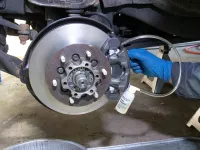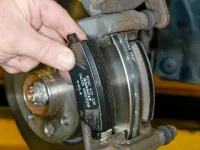
Many small routine services can be performed on your personal car yourself, such as an oil change, windshield washer fluid top-up, changing a flat tire, replacing a burnt-out bulb, or checking and topping up brake fluid.
Although it’s very easy to check and top up the brake fluid level, we first need to discuss why it’s important for the brake fluid level to be optimal at all times in an Kia Rio.
Why does the brake fluid need to have an optimal level at all times in an Kia Rio?
Firstly, let’s talk about the advantages of having an optimal brake fluid level. Brake fluid plays a crucial role as it is a hydraulic oil that moves important components in the braking system, allowing you to stop the car whenever you need to by pressing the brake pedal.
However, it’s possible to lose brake fluid without knowing it. That’s why you should constantly check the brake fluid level in your Kia Rio. We recommend doing this every 10,000 kilometers driven or at each service.
Additionally, we recommend cleaning and bleeding the brake system every 50,000 kilometers and completely replacing the old fluid with one recommended by the manufacturer. It’s an inexpensive operation that you can do yourself if you wish.
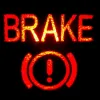
If the brake system warning light or the handbrake warning light comes on in your car’s dashboard and the fluid level is correct, it means you have a brake problem that needs to be investigated immediately.
How to fill the brake fluid reservoir in an Kia Rio
Now, we will detail how to check the brake fluid level. It’s essential to remember these steps because they are fundamental. First, you need to check which type of brake fluid is suitable for your car based on its VIN. It can be DOT 3, DOT 4, or DOT 5. Most cars use Dot 4 or Dot 5. Any auto parts store can confirm the appropriate brake fluid for your car.
What are the steps to top up the brake fluid level for an Kia Rio?
Open the car’s hood and locate the brake fluid reservoir. It’s very easy to spot, usually a white/transparent plastic container with a yellow cap, and it should say BRAKE on it or have a picture related to brakes or brake fluid. It may even say BRAKE FLUID on the yellow cap.
Before adding fluid, clean the cap and the reservoir, or replace the cap if necessary. If the reservoir is covered in fluid on the outside, this may indicate a faulty cap. If the reservoir is covered in fluid on the outside, order a new one.
After cleaning the cap and reservoir or replacing the new cap, you’ll see two lines on the reservoir, and next to them, it will say Min and Max. This is the range within which the brake fluid should be.
Topping up is easy, fill it up to the Max point on the brake fluid reservoir for the Kia Rio.
If the fluid was below the level, below the Min line, after topping up, check again in a few days if the level continues to drop. If it keeps dropping, and the reservoir doesn’t have fluid on it, it means there’s a brake system leak that could lead to serious problems. Investigate the issue further.
These are all the details you need to safely fill the brake fluid reservoir for an Kia Rio.