- Quality filters offer up to 50% more filtration surface for better impurity retention.
- Filtration options: cellulose 20–40 μm, synthetic 8–10 μm, glass microfiber most efficient.
- Ensure compatibility with OEM codes to avoid leaks and costly repairs.
- Include anti-drainback and bypass valves for lubrication safety.
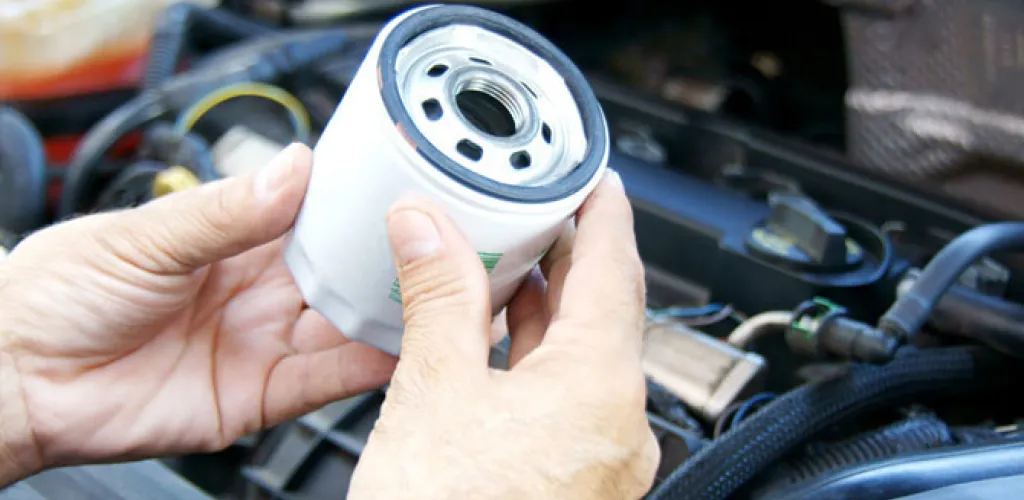
Oil filters play a crucial role in maintaining engine health, responsible for cleaning the oil and protecting internal components from harmful particles. Although often overlooked in maintenance routines, choosing a quality oil filter can make the difference between an engine that runs smoothly and one that develops costly failures.
On the Romanian market, there is a wide range of oil filters with significant differences in quality and price. To make an informed choice, it is essential to understand the characteristics that define a high-performance filter.
Quality Criteria for a High-Performance Oil Filter
Filtration Surface and Efficiency
A major indicator of a filter’s quality is its filtration surface. Oil filters of higher quality can have a surface area up to 50% larger than low-quality ones, providing a greater capacity to retain impurities.
The filtration membrane can be made from three main materials:
- Cellulose: Retains particles of 20-40 microns
- Synthetic materials: Superior performance, filtering particles of 8-10 microns
- Glass microfiber: The most efficient option available
With a larger filtration surface and finer pore size, the filter provides superior protection for the engine.
Vehicle Compatibility
Choosing a filter compatible with your car’s specifications is fundamental. Not all oil filters use the same mounting system, and an incompatible filter can result in:
- Oil leaks
- Poor lubrication system operation
- High engine repair costs
Always check the OEM code of the filter recommended by the vehicle manufacturer before making a purchase.

Essential Components of a Quality Filter
Anti-Drainback Valve
A professional oil filter should be equipped with an anti-drainback valve. This component ensures that, when the engine is turned off, the oil in the filter does not drain back into the sump, maintaining pressure in the lubrication system and guaranteeing immediate lubrication at the next startup.
Bypass Valve - Safety Protection
The bypass valve is a crucial safety measure. If the filter becomes completely clogged, this valve allows unfiltered oil to reach the engine. Although unfiltered oil is not ideal, this solution prevents complete engine seizure that could occur within seconds without any lubrication.
Signals Indicating Replacement is Needed
- Lower oil pressure
- Change in oil color or consistency
- Unusual noises from the engine area
- Adhering to the recommended service intervals
Conclusion
Investing in a quality oil filter is an assurance for your engine’s longevity. By choosing a filter with a large filtration surface, high-performance materials, and the necessary safety components, you protect one of the most important and expensive parts of the vehicle. Do not skimp on this seemingly small part—the cost of a quality filter is negligible compared to the price of repairing a damaged engine.
Photo source: all-car.com