- Three essential filters—fuel, air, and cabin—protect engine and occupants.
- Clogged air filter raises fuel use, reduces power, and causes misfires.
- Air filter should be replaced yearly or every 15k-20k km; 10k-15k in dusty areas.
- Cabin filter traps dust, pollen, odors; replace if persistent odors, fogging, or reduced airflow.
The vehicle’s filtration system is the first line of defense against contaminants that can affect both engine performance and passenger comfort. A modern car is equipped with three essential filters that require periodic maintenance: fuel filter, air filter, and cabin air filter.
These consumable components play a crucial role in the proper operation of vehicle systems and in protecting occupants’ health. Neglecting their timely replacement can lead to costly engine damage and degraded cabin air quality.
Engine air filter - protecting the intake system
Role and importance of the air filter
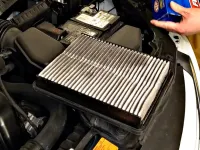
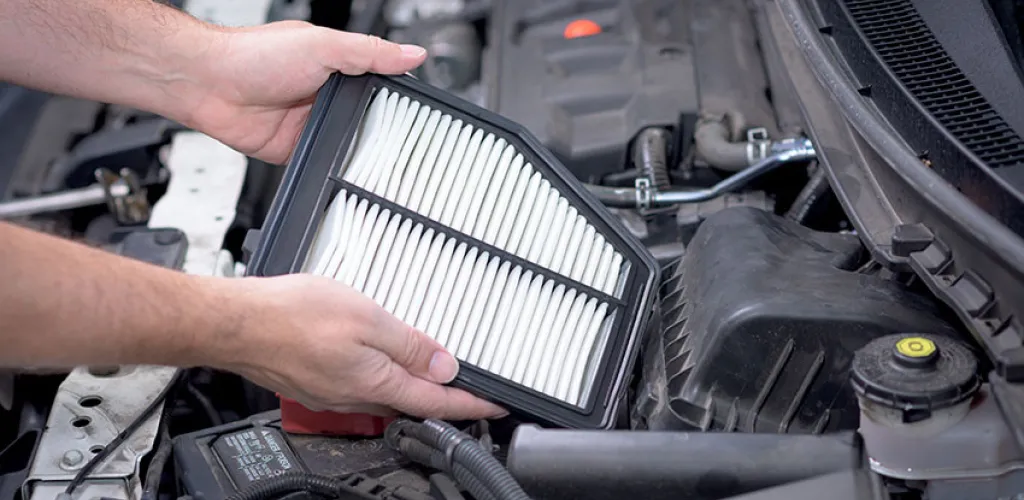
An air filter protects the engine from a wide range of atmospheric contaminants. From organic particles (insects, leaves, pollen) to inorganic ones (dust, wear particles, industrial residues), the filter prevents their entry into the combustion chamber. Even small amounts of water can be stopped by a filter in good condition.

A clean air filter allows the engine to “breathe” freely, ensuring the optimal air-fuel ratio required for complete combustion. This efficient burning translates into higher performance, lower consumption, and lower pollutant emissions.
Symptoms of a clogged air filter
When the air filter loses efficiency, the effects show up immediately in the engine’s behavior:
- Increased fuel consumption: The engine compensates for the lack of air by injecting more fuel, disturbing the ideal stoichiometric ratio
- Loss of power: Airflow restriction limits the engine’s ability to produce nominal power
- Incomplete combustion: In extreme cases, unburnt fuel can be expelled through the exhaust, presenting as dense smoke or even flames at the exhaust
- Unstable operation: The engine may exhibit misfires or irregular running, especially at idle
Replacement interval
Under normal use, the air filter should be replaced annually or after 15,000-20,000 km. In dusty or highly polluted environments, the interval can drop to 10,000-15,000 km.
Cabin air filter - cabin air quality
Functions of the cabin filter
The cabin air filter ensures clean air entering the cabin through the ventilation and air conditioning system. It retains:
- Dust and soot particles
- Pollen and other allergens
- Unpleasant odors from traffic
- Excess moisture (in activated carbon filters)

Indicators of replacement necessity
Symptoms of a worn cabin air filter are easy to observe:
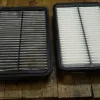
- Persistent odors: Unpleasant smells in the cabin, intensified when the ventilation is on
- Window fogging: Especially in winter, windows fog up due to excess moisture that can no longer be absorbed
- Reduced airflow: A noticeable drop in the intensity of air coming from vents, even at maximum fan speed
- Allergies and discomfort: Passengers may experience allergic symptoms or respiratory irritation
Recommended replacement interval
The cabin air filter requires replacement at 20,000-30,000 km or annually, depending on usage. In highly polluted areas or for allergy sufferers, change at 15,000 km.
Fuel filter - fuel purity
Role of the fuel filter in the fuel system
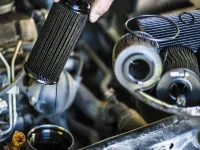
The fuel filter maintains a steady flow of clean fuel to the injection system. It protects sensitive components (fuel pump, injectors, fuel-pressure regulator) against:
- Solid particles in fuel
- Condensation water in the tank
- Residues resulting from improper fuel storage
- Oxidation and corrosion in the fuel system

Symptoms of a clogged fuel filter
A clogged fuel filter directly affects engine performance:
- Irregular accelerations: The engine no longer responds linearly to throttle input
- Hard starting: Especially in low temperatures, starting becomes laborious
- Unplanned stalling: In severe cases, the engine can stall while driving
- Loss of power at high revs: Manifesting during climbs or overtaking
Consequences of neglecting the fuel filter
Modern injectors have extremely fine nozzles (0.1-0.2 mm) that can quickly clog with microscopic particles. A clogged injector may require professional cleaning or full replacement, costs far beyond the price of a fuel filter.
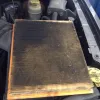
The fuel pump can suffer premature damage from the extra effort of pushing fuel through a clogged filter, generating substantial repair costs.
Replacement recommendations
The fuel filter should be replaced at every service, usually at 15,000-20,000 km for petrol engines and 10,000-15,000 km for diesel engines. The quality of local fuel can influence this interval.
General maintenance recommendations
Choosing quality filters
Investing in higher-quality filters pays off quickly by:
- protecting expensive engine components
- maintaining optimal performance
- reducing repair costs
- improving comfort and health
Monitoring filter condition
Periodic checks of filter condition, even between replacement intervals, can prevent major problems. For air and cabin filters, a visual inspection is often sufficient, while for the fuel filter, engine symptoms provide valuable clues.
Proper maintenance of the filtration system is one of the most cost-effective investments in the longevity and performance of your vehicle, while also protecting occupants’ health.
Sursa foto: bestsyntheticoilguide.com, cars.com, goldeagle.com