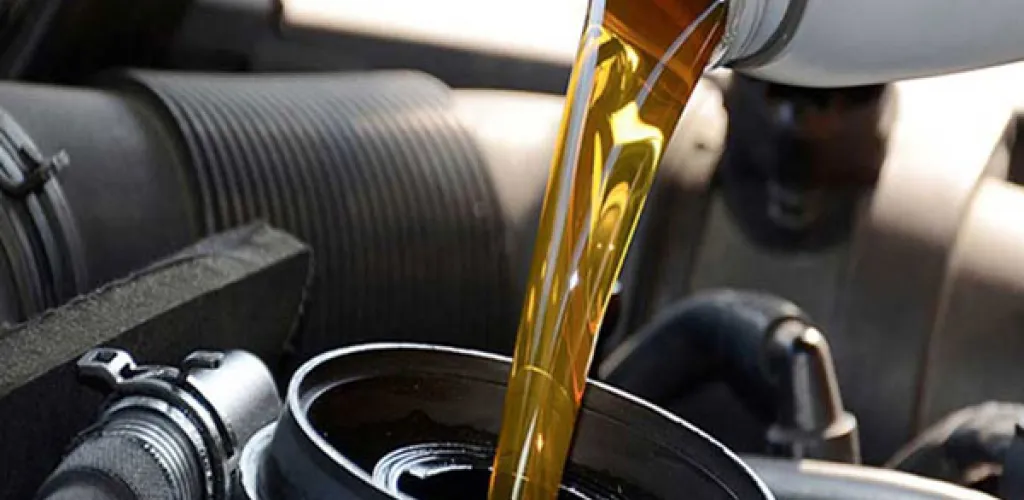
- Regular oil changes protect the engine by lubrication, cooling, cleaning, and film protection.
- Check oil monthly and before long trips; top up or identify leaks.
- Degraded oil causes overheating and costly engine damage if neglected.
- The mechanic notes next-change mileage with a sticker; change intervals vary by vehicle.
Regular engine oil changes are among the most important maintenance operations for any passenger car. Every responsible driver should perform this operation at least once a year or every 7,500–10,000 km, depending on the engine type and the quality of the oil used. Engine oil is the vital element that ensures the engine runs optimally, lubricating metal components and preventing premature wear.
Why regular oil change is essential
Oil serves several critical functions in the engine system. In addition to lubricating moving parts, it helps cool the engine, cleans impurities, and forms a protective film between metal components. When oil loses its physico-chemical properties, all these functions are compromised.
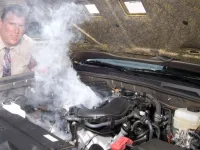
If we neglect oil changes and continue to use the car for an extended period with degraded oil, the consequences can be severe. Old oil no longer lubricates the metal components properly, the engine overheats, and costly damage can occur to the crankshaft, pistons, rings, and bearings.
Signals it’s time for an oil change
Manual check of oil level and quality
A responsible driver will check the oil at least once a month and mandatory before every longer trip. To check, pull the dipstick, wipe it clean, reinsert it fully, and pull it out again to read the correct level. The oil should lie between the MIN and MAX marks.
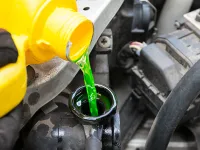
When the oil level is insufficient, you will need to top it up with the same oil specification. If this happens repeatedly, it means you are dealing with a leak that must be identified and repaired urgently. Leaks can occur at the valve cover gasket, the oil pan gasket, the oil sump, or at various seals.
Visual appearance of the oil
The quality of the oil can also be assessed visually. Fresh oil has an amber translucent color. Over time, it darkens due to carbon particles and impurities it collects. If the oil becomes very dark and thicker than usual, it is very likely dirty or contaminated and must be replaced urgently.
Oil pressure lights and dashboard messages
Most modern cars are equipped with sensors that monitor the oil quality and level. They will indicate when the next oil and filter change is due with a dashboard message or the appearance of a warning light on the instrument cluster.
The oil pressure warning light (oil drop) is the most important and signals an immediate problem – if it lights up while driving, stop the engine immediately to prevent serious damage.
Unusual engine noises
If the oil starts to cause trouble before it is time for a replacement, it will not lubricate metal parts properly. When there is direct metal-to-metal friction, the engine will emit a loud grinding or tapping sound. This sound indicates advanced wear and requires immediate intervention.
The correct change interval
The first factor to consider is that your mechanic will always place a sticker or card on the driver’s side door pillar or on the engine housing, where the mileage for the next change will be written.
The oil change interval depends on several factors:

- Oil type: synthetic oils allow longer intervals (15,000–20,000 km), while mineral oils require more frequent changes (5,000–7,500 km)
- Operating conditions: heavy urban traffic, frequent towing, or extreme temperatures reduce the interval
- Engine age: older engines consume more oil and require more frequent changes
- Manufacturer recommendations: always consult the vehicle’s technical manual
The oil and filter change process
The oil change is a relatively simple operation that any driver with basic automotive knowledge can perform. The standard process includes the following steps:
- Warming up the engine: the engine should be warm (not hot) to allow complete drainage of the oil
- Lifting the car: using a lift or jack and safety stands
- Locating and unscrewing the drain plug: place a tray to collect used oil
- Complete drainage: wait until all the oil has drained
- Replacing the gaskets: the drain plug gasket must be replaced each time
- Changing the oil filter: lubricate the new filter’s gasket with fresh oil
- Mounting and tightening: tighten the drain plug and the filter according to specifications
- Refilling with new oil: pour in the amount recommended by the manufacturer
- Checking the level: using the dipstick
- Starting the engine: let the engine run a few minutes and check for leaks
Filters that require attention
Generally, when replacing engine oil, ensure you check and service the other filters as needed:
- Oil filter: replaced at every oil change
- Air filter: checked and replaced at 15,000–30,000 km or annually
- Fuel filter: interval of 40,000–80,000 km, depending on the type
- Cabin air filter: recommended annually, especially before summer
Labor costs and total costs in 2025
The total price for an oil change varies considerably depending on several factors. Costs can be divided into two main categories:
Parts and consumables
The price for oil and parts ranges from 400–2,500 RON, depending on:
- Quality and type of oil (mineral, semi-synthetic, full-synthetic)
- Quantity required (3–8 liters, depending on the engine)
- Brand and quality of the oil filter
- Type of vehicle (small car, SUV, diesel, petrol)
Labor for the change
Labor for the oil change is the most affordable part of this process, generally between 100 and 350 RON. The price variation depends on:
- The complexity of access to the sump and filter
- The service location (Bucharest and large cities have higher prices)
- Type of service (authorized service vs independent service)
- Time required for the operation (15–45 minutes)
At premium or official dealerships, labor can reach 400–500 RON, but typically includes additional checks and digital reporting.
Conclusion
Proper engine oil maintenance is essential for the longevity and performance of the vehicle. Do not delay oil changes and always follow the manufacturer’s recommended intervals. Preventive maintenance costs are minimal compared to major repairs caused by neglect. A well-maintained engine can run without issues beyond 300,000–400,000 km, while a neglected one may fail at 100,000–150,000 km.