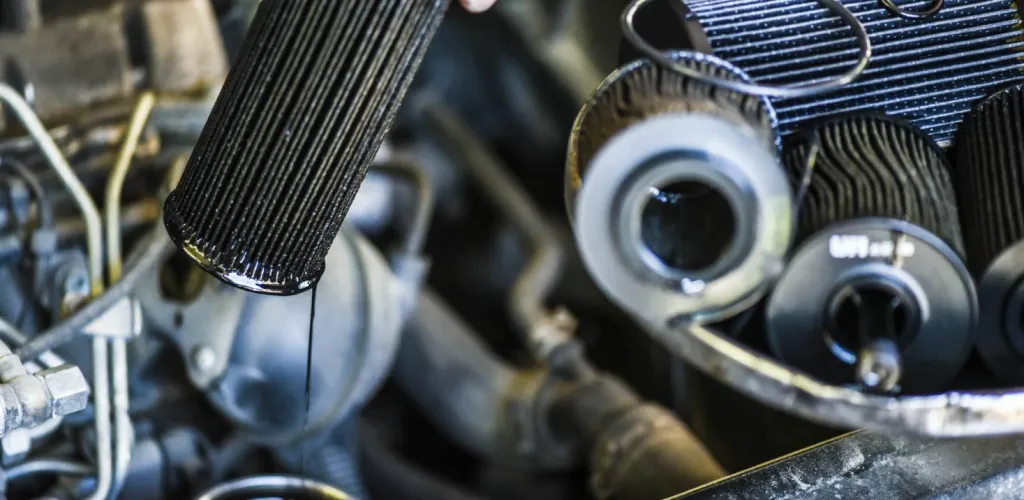
- The oil filter cleans oil and protects engine components from wear.
- A bypass valve protects the engine if the filter becomes clogged.
- Replace the oil filter with every oil change; mineral oils 7,500–10,000 km; synthetic 15,000–20,000 km.
- Signs to replace now: low oil pressure or metallic noises.
The oil filter is one of the most important components of the engine’s lubrication system, playing a crucial role in maintaining the health and longevity of the powertrain. Although it may seem like a simple part, its function is vital: while the oil keeps the engine clean and properly lubricated, the filter ensures the oil’s purity, protecting all moving mechanical components.
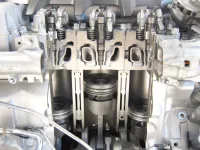
Unfiltered or poorly filtered oil will, over time, develop fine metal particles, combustion residues, and impurities that lead to increased wear of the oil pump and damage to the engine’s internal surfaces, including the pistons, crankshaft, and piston rings.
How oil filters work
Oil filters are securely mounted to a dedicated interface on the engine using a threaded connection. Between the filter and the engine there is a gasket, strategically designed to allow oil to pass through. Every vehicle has a specially engineered mounting assembly on the engine block for the oil filter, with specifications that vary depending on the manufacturer and model.
The filtration process
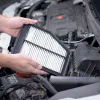
The oil pump draws oil from the oil pan and pushes it through the lubrication circuit, sending it first to the oil filter. Here, the oil is cleaned through a complex system made of synthetic fibers or special paper, arranged in pleats to maximize the filtration surface area. The pressure generated by the oil pump forces the oil through this fibrous structure, where solid particles and impurities are trapped. After filtration, the clean oil returns to the engine, ready to perform its lubrication and cooling functions.
Filtration efficiency is measured in microns; most modern oil filters can retain particles as small as 20–30 microns. The synthetic fibers used in modern filters are superior to paper media, offering more efficient filtration and greater durability.
Bypass valve and engine protection
Some oil filters are equipped with a bypass valve, an essential safety feature for engine protection. If the filter becomes completely clogged due to excessive buildup of contaminants, the valve opens automatically, allowing oil to reach the engine even if it is unfiltered. This is preferable to a total loss of lubrication, which would quickly result in severe engine damage.
The bypass valve is activated when the pressure difference between the inlet and outlet of the filter becomes too high, typically around 8–10 bar. It is a simple yet effective mechanism that prevents engine damage in extreme situations.
When to replace the oil filter
It is recommended to replace the oil filter every time the engine oil is changed. Standard replacement intervals are:
- mineral oils: every 7,500–10,000 km
- synthetic oils: every 15,000–20,000 km or according to the manufacturer’s recommendations
- severe driving conditions: intervals reduced by up to 30%
Signs the oil filter needs immediate replacement
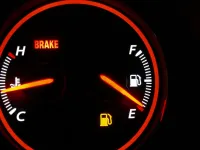
- Oil pressure drops noticeably on the dashboard
- Metallic noises from the engine, especially during cold starts
- The oil becomes very dark and thick
- The engine loses power or consumes more fuel
- The oil pressure warning light turns on
Consequences of neglecting oil filter replacement
Neglecting to replace the oil filter can have serious consequences for the engine. Metal particles circulating through the engine accelerate wear on all moving components, leading to:
- Premature wear of crankshaft and camshaft bearings
- Damage to cylinder walls and piston rings
- Clogging of oil passages
- Turbocharger wear (in turbocharged engines)
- High repair costs or even complete engine replacement
A high-quality oil filter replaced on time can extend engine life by tens of thousands of kilometers. The cost of a filter is negligible compared to major engine repairs, making preventive maintenance a smart investment.
Image sources: digitaltrends.com, blog.firestonecompleteautocare.com