- Converts steering wheel motion into wheel direction via a shaft.
- Mechanical, hydraulic, electro-hydraulic, and electric steering boxes.
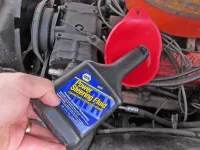
- Regularly check and change power steering fluid every 50,000 km or 3 years.
- Steering becomes heavier is an early warning sign.
The steering box is one of the vital components of any motor vehicle, and failure of this part can create extremely dangerous situations while driving. Knowing the warning signs and maintenance methods can save your life and save you money in the long term.
In this complete guide, we will cover everything about the steering box - from how it works to repair and refurbishment methods. Whether you are a beginner or an experienced driver, this information will be very useful.
What is the steering box and how does it work
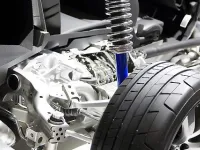
The steering box is the main component that converts steering wheel motion into the direction of the vehicle’s wheels. This complex system provides the direct link between the driver’s intentions and the vehicle’s trajectory.
The system operates via a shaft that connects the steering wheel to the steering box. The order of command transmission is as follows: the movement of the wheel is transmitted along the shaft to the steering box, which then directs the wheels to the left or right.
Types of steering boxes
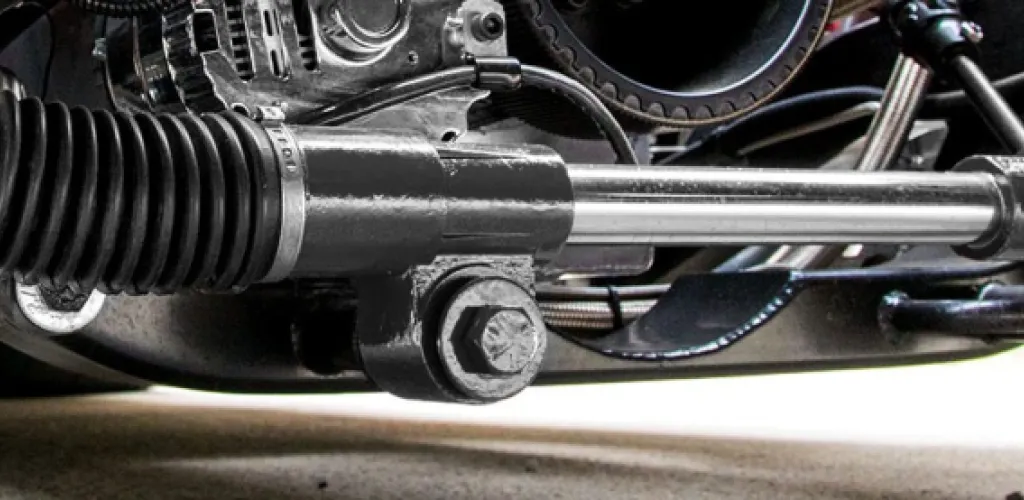
Mechanical steering box (no power assist) The simplest form, consisting of a gear rack and a pinion. It requires substantial physical effort to maneuver, similar to a workout at the gym every time you turn the wheel.
Steering box with hydraulic power steering Steering box with hydraulic power steering, invented in 1951 by Chrysler under the name Hydraguide, revolutionized driving. The system includes:
- Power steering pump
- The steering box itself
- Tie rod ends
- Steering rack
- Rack boot
- Power steering filter
- Wheel bearings and hubs

Electro-hydraulic steering box In this system, the power steering pump is driven by an independent electric motor, not by the accessory belt. The major advantage is that it does not depend on engine rpm, providing constant assist.

Electric steering box The most advanced system, where there is no physical shaft between the steering wheel and the steering box. The wheel is connected to a sensor that detects movement and transmits the information to an electric motor mounted on the steering box. This system:
- Detects travel speed
- Automatically adjusts steering response
- Reduces fuel consumption
- Provides lighter steering at low speeds and firmer steering at high speeds
Steering system maintenance
Regular oil check
The most important aspect of maintenance is keeping the optimal level of power steering fluid. Check monthly the fluid level and color.
Power steering fluid change
The fluid should be changed at most every 50,000 km or 3 years, whichever comes first. Degraded fluid loses lubrication properties and can cause premature wear.
Visual inspection
Check periodically:

- Oil leaks under the vehicle
- Condition of the boots
- Integrity of hoses
- Operation of the power steering pump
Symptoms of a faulty steering box
Early warning signs
- Steering becomes heavier: The effort required to turn the wheel increases progressively
- Oil leaks: Red or yellow oil spots under the vehicle
- Jolts when turning: Uncontrolled movements of the steering wheel
- Unusual noises: Squeaks or grinding sounds when turning the wheel
- Play in the wheel: The wheel can rotate slightly without the tires responding

Main causes of failure
The steering system deteriorates mainly due to:
- Poor road conditions: potholes encountered repeatedly
- Guide rails: shocks transmitted through the suspension
- Gravel roads: constant vibrations wear components
- Lack of maintenance: old oil loses its properties
- Natural wear: moving components wear over time
Options for repairing the steering box
1. Replacement with used parts
Advantages:
- Very low cost
- Quick availability
Disadvantages:
- Unknown part history
- High risk of quick failure
- No warranty
- May require replacement again soon
2. Installing a new steering box
Advantages:
- Full warranty
- Maximum reliability
- Optimal performance
Disadvantages:
- Very high cost
- Waiting time for order
3. Refurbishing the existing steering box
Advantages:
- Best value for money
- Service warranty
- Tested components
- Good durability
Disadvantages:
- Longer turnaround time
- Dependence on the quality of the service
The professional refurbishment process
Main components of the steering box
- Internal rack (rack-and-pinion)
- Pinion gear
- Valve assembly
- Hydraulic lines
- Hydraulic piston
- Seals and oil seals
Refurbishment steps
1. Initial diagnosis The box is mounted on a specialized test bench for testing and fault identification.
2. Complete disassembly All components are methodically disassembled for detailed inspection.
3. Cleaning and preparation
- All metal parts are degreased
- Rusty components are sandblasted
- Surfaces are prepared for refurbishment
4. Replacing worn components
- Gaskets and oil seals are replaced entirely
- Worn bearings are replaced
- The valve assembly is refurbished

5. Rectification of components The most complex stage involves:
- Rebuilding the rack and pinion
- Machining the pinion
- Eliminating play through welding and precision turning
- Ensuring perfect contact between components
6. Assembly and testing
- Installing all refurbished components
- Bench testing to verify operation
- Final adjustments to eliminate play
Duration and costs of refurbishment
Refurbishing a steering box typically takes 5-6 hours of specialized work. Total time can be 2-3 days, including testing and final adjustments.
Costs vary depending on:
- The vehicle model and make
- The level of wear on components
- The complexity of the steering system
- The rates of the specialized service
Preventing steering box problems
Driving tips
- Avoid potholes and large obstacles
- Reduce speed on rough roads
- Do not force the steering to the end of its travel
- Avoid repeated shocks to the steering system
Preventive maintenance
- Change the power steering fluid on time
- Check fluid level monthly
- Visually inspect the system for leaks
- Perform periodic service checks
Conclusion and final recommendations
Problems with the steering box should never be postponed. At the first signs of a fault, urgently consult a specialized service. Delaying can lead to:
- Worsening of the existing issue
- Damage to other components (power steering pump, suspension)
- Much higher repair costs
- Major safety risks
Our recommendation: Choose refurbishment at a specialized service that offers a warranty and tests the part after repair. This cost-quality compromise represents the optimal solution for most drivers.
For a long life of the steering system, follow preventive maintenance schedules and adopt a driving style that protects the vehicle’s mechanical components.
Photo sources: detroitaxle.com, carid.com, maverickforums.net, autoparts-newair.com