- Steering play causes vague control: dead zones, noises, vibration, delayed response, drift
- Steering box wear is the main cause of play
- Accelerating factors include strong impacts, poor maintenance, rough roads, and aggressive driving
- Diagnosis: test wheel play, then professional check of tie rods, hydraulic pressure, and alignment
A steering wheel that shows play or a lack of precise response is one of the warning signs you should not ignore. This issue directly affects vehicle control and can compromise safety, especially at high speeds or in situations requiring precise maneuvers.
When the wheel has play, the driver loses the direct connection to the wheels, and the sense of control becomes vague and imprecise. This situation manifests through various symptoms that indicate steering system faults.
Symptoms of steering wheel play
Recognizing warning signs early can prevent the problem from worsening and avoid high repair costs:
- Steering wheel dead zone - there is a zone where turning the wheel produces no reaction at the wheels
- Front-end noises - creaks, pops or metallic sounds when turning
- Vibration in the steering wheel at high speeds - tremor or thumping transmitted through the steering column
- Delayed response - the car reacts slowly to inputs from the steering wheel
- Difficulty maintaining the trajectory - the vehicle tends to drift from the desired path
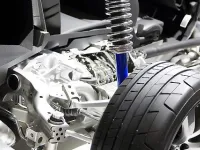
Steering box – main cause of play in the steering
In most cases, play in the steering is caused by wear of the steering box. This essential component of the steering system functions as a translator of the steering inputs into wheel movement.
Worm gear and rack mechanism
- The worm - a threaded shaft connected to the steering column
- The worm wheel - a gear that engages with the worm
- Transmission of motion - the worm wheel acts on the steering tie rods
Wear process
Steering box wear occurs gradually:
- Gradual wear - the teeth of the worm wheel/rack wear away due to constant friction
- Formation of play - gaps between teeth become too large
- Teeth skipping - the worm begins to slip over worn teeth
- Loss of transmission - steering input is no longer transmitted efficiently to the wheels
Causes of steering box deterioration
Natural wear
Like any mechanical component, the steering box wears over time due to:
- Constant friction between metal parts
- Material aging and loss of mechanical properties
- Repeated loading cycles with every turn
Accelerating factors
- Strong impacts - hitting curbs or deep potholes
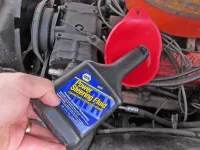
- Lack of maintenance - old or insufficient power steering fluid
- Operating conditions - rough roads, heavy use
- Driving style - sharp turns, aggressive maneuvers
Diagnosing steering problems
Simple play test
- With the engine off, gently turn the steering wheel in both directions
- Observe if there is a zone where the wheel turns but the wheels do not respond
- Normal play should not exceed 1-2 cm at the steering wheel
Professional check
A qualified mechanic will inspect:

- Play in the steering box - measured precisely
- Condition of tie rods - check joints and play
- Pressure in the hydraulic system - if the car has power steering
- Wheel alignment - to exclude other causes
Solutions and repairs
Replacing the steering box
Wear of the steering box cannot be repaired by reconditioning. A defective steering box must be replaced completely. This operation involves:
- Removing the old box
- Checking compatibility with the new box
- Installing and calibrating the new component
- Testing operation and wheel alignment
Checking the complete system
Before replacing the box, it is essential to verify the integrity of the entire steering system:
- Steering tie rods - check for joint wear
- Steering arms / tie rod ends - test play and condition of protective boots
- Power steering system - check the level and condition of the hydraulic fluid
- Wheel geometry - check alignment and balancing
Preventing premature wear
Regular maintenance
- Periodic checks of the power steering fluid level
- Replacement of hydraulic fluid according to the maintenance schedule
- Visual inspection of steering system components
Driving style
- Avoid strong impacts with curbs and deep potholes
- Reduce speed on rough roads
- Avoid abrupt turns and aggressive maneuvers
- Park carefully to avoid wheel lock in extreme positions
Risks of driving with a loose steering
Ignoring steering problems can have serious consequences:
- Loss of control in emergency situations
- Accelerated tire wear due to misalignment
- Deterioration of other suspension and steering components
- Safety risks for road users
The play in the steering wheel is not a problem that resolves itself. Early identification of the cause and quick intervention are essential for maintaining safety and avoiding high repair costs. At the first sign of play in the steering wheel, consult a specialist for accurate diagnosis and a suitable solution.

Photo source: carfromjapan.com