- Regular power steering maintenance is inexpensive and helps prevent dangerous road situations.
- Main components include steering wheel, steering box, power steering types, tie rods, and steering column.
- Tie rods and joints are the most sensitive wear points requiring regular checks during service.
- Regular inspections should check boot condition, joint play, and lubrication of tie rods.
Power steering system is one of the critical safety elements of any car, and proper maintenance can prevent costly repairs and, more importantly, avoid dangerous situations on the road. Regular checks and maintenance of this system are relatively straightforward and inexpensive compared with major repairs you might face without proper maintenance.
Investing in prevention is always cheaper than repairing a component that has deteriorated completely. Therefore, let’s understand how the steering system works and which checks are necessary to keep the car in optimal operating condition.
Main components of the steering system
The steering wheel and its assembly
The steering wheel is the interface between the driver and the steering system. From the wheel runs a shaft that transmits commands to the steering box. The assembly also includes the steering column, which must be perfectly straight and free of play for precise driving.
The steering box
This critical component transforms the circular motion of the steering wheel into lateral movement, which is transmitted to the wheels. There are several types of steering boxes:
- Worm-and-wheel steering boxes: robust systems, commonly found on older vehicles
- Ball-type steering boxes: offer more precise steering and are preferred on modern vehicles
- Rack-and-pinion steering: the most common on todays cars, providing a good balance between precision and durability
Power steering
Power steering is present on almost all modern cars and helps the driver to turn more easily at low speeds, while firming up the steering at high speeds for increased safety.
Types of power steering:
- Hydraulic: uses a pump to create the necessary pressure in the power steering fluid
- Electric: uses an electric motor built into the steering box, being more energy efficient
- Electro-hydraulic: combines the benefits of both systems
Tie rods
These components connect the steering box to the assembly of each wheel and transmit the turning force from the box to the wheel. At the ends you find flexible joints, visible when you turn the steering wheel to the limit, which tend to wear out among the first parts of the steering.

The steering column
Represents the main shaft that transmits rotation from the steering wheel to the steering box. It must be perfectly aligned for correct operation.

Elements requiring regular inspection
Tie rods - the most sensitive point
Tie rods are the most stressed parts of the steering system, as they bear most of the play and must move in line with the wheel.
- Both ends of the tie rods
- Condition of the boot - make sure it is not cut or cracked
- Plays at the joints
- Presence of lubricant in sealed areas
This check can be performed every time you service the car.

Ball joints
These joints carry all of the car power and transmit it to the wheel. Over time, they tend to wear, especially on high mileage cars or those driven on poor road surfaces.
Signs of wear:
- Play in the steering
- Noise when turning the wheel
- Vibrations transmitted through the steering wheel
- Uneven tire wear
Lubrication of the system (older cars)
On older cars, the tie-rod joints and ball joints required lubrication at specific intervals. For newer models, this operation is no longer necessary, as parts are sealed and pre-lubricated.
Important: Check the service manual and ask your mechanic if this operation is necessary for your specific model.

Hydraulic power steering system
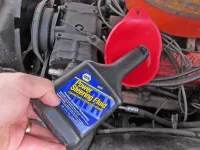
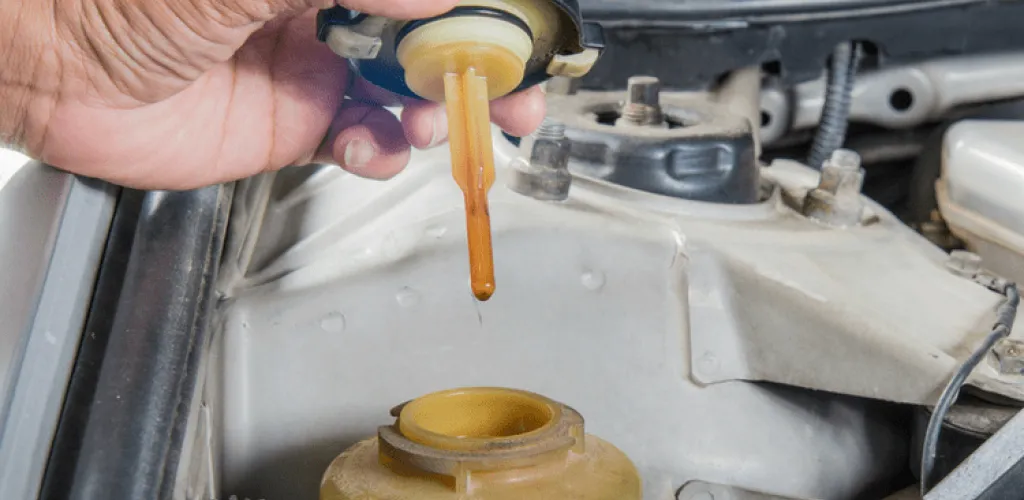
Fluid level:
- Check this level at every service
- A power steering pump with low fluid can fail after only a few thousand kilometers
- The cost of a new pump can be significantly higher than preventive maintenance
Fluid change:
- Check the vehicle manual for the recommended interval
- Usually changed at 60,000-100,000 km or every 4-6 years
- Old fluid can cause premature wear of components
Power steering belt:
- Check the condition of the power steering pump belt - a broken or slipping belt will leave the car without power steering.
General inspection for high-mileage cars
If the car has surpassed 100,000 km, it is recommended to perform a general steering system inspection at a specialized service. At this mileage, components begin to show wear and it is preferable to identify them before they fail completely.
What the general inspection includes:
- Checking play at all joints
- On-lift test of geometry stability
- Visual inspection of all components
- Checking power steering operation
- Wheel alignment check
Checks when buying a used car
When buying a used car, checking the steering system is critical for your safety and to avoid unexpected costs.
Items to check:
- A car involved in a front-end collision will almost certainly have steering defects
- Even if the car does not look damaged, it may have hit a curb with the wheel at low speed
- The chances of steering-related failures are high after such impacts
- Repair costs can be surprisingly high
Simple tests you can perform:
- Check if the steering wheel is centered when the car drives straight
- Listen for noises when turning the wheel at stop
- Feel for vibrations in the steering wheel at high speeds
- Notice if the car pulls to one side
Recommended service intervals
For optimal steering system maintenance:
At every service (10,000-15,000 km):
- Visual inspection of tie rods
- Check power steering fluid level
- Inspect belt condition
Annual:
- Check play at joints
- Inspect boot condition
- Test power steering operation
At 60,000-100,000 km:
- Change the power steering fluid (if applicable)
- General system inspection
- Check wheel alignment
Preventive maintenance of the steering system not only ensures your safety but can save you significant money in the long term. A well-maintained steering system also contributes to even tire wear and a more enjoyable driving experience.
Photo source: tallerelgarage.com, goldeagle.com