- Regular inspections every 80,000 km or annually, plus tire/brake service checks.
- Immediate inspection needed for fluid leaks, wet shocks, changed vehicle behavior, noises.
- Common warning signs: reduced ride comfort, body vibrations, unstable cornering or braking.
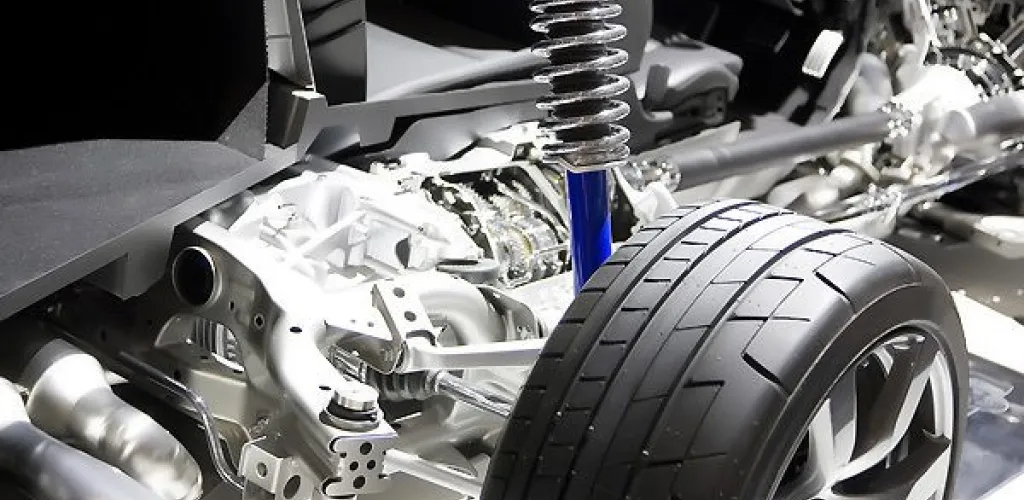
- Key suspension components include shocks, springs, bushings, bearings, arms, and anti-roll bars.
The suspension and steering are two fundamental systems in any vehicle, working together to ensure safety, comfort, and control. Although technically separate, their optimal coordination in tandem is essential for a safe and enjoyable driving experience. Understanding when to inspect these systems can prevent costly problems and hazardous situations.
The suspension supports the entire weight of the vehicle, provides passenger comfort by absorbing road shocks, and helps keep the wheels in constant contact with the ground. At the same time, the steering system transmits commands from the steering wheel to the front wheels, enabling precise control of the vehicle’s trajectory.
Importance of Regular Suspension Inspection
The vehicle’s suspension comprises numerous components that are subject to natural wear during operation. Even under normal use, parts such as rubber bushings, bearings, pivots, tie rod ends, and shock absorbers gradually lose their original properties.
- Shock absorbers - control the oscillations of the springs and keep the wheels in contact with the road
- Suspension springs - support the vehicle weight and absorb shocks
- Bushings - reduce vibrations and noise between metal components
- Wheel bearings - allow the wheels to rotate freely
- Suspension arms - connect the wheels to the vehicle’s chassis
- Anti-roll bars - reduce lateral body roll in corners
Once any of these parts begins to lose effectiveness, the entire system is compromised. The car will begin to show visible symptoms: steering vibrations, unintended steering drift, uneven tire wear, or reduced driving comfort.
Intervalele recomandate pentru inspectarea suspensiei și direcției
Most automakers establish specific intervals for inspecting these critical systems:
Scheduled inspections
- Every 80,000 km — most manufacturers recommend a full inspection of both systems
- Annually — mandatory check, especially for vehicles that sit unused for long periods or are used in difficult conditions
- At tire replacement — ideal moment to inspect the suspension, especially if tires wear unevenly
- At brake system service — simultaneous check for a complete picture of the vehicle’s technical state
Situations that require immediate inspection
- Leaks of fluids under the vehicle in the area where you park regularly
- The shock absorbers are wet or show oil leaks
- Changes in the car’s behavior while driving
- Unusual noises coming from the suspension area

Warning signs that require immediate inspection
Recognizing symptoms that indicate problems with the suspension or steering can prevent major damage and dangerous situations:
Symptoms related to comfort and stability
- Reduced ride comfort on rough roads — the car bounces more or transmits more vibrations
- Body vibrations at any speed
- Unstable behavior in corners or during braking
- Excessive swaying after crossing obstacles
Auditory symptoms
- Metallic noises from the front when going over bumps or potholes
- Popping noises when turning the steering wheel, especially during parking
- Squeaks from the wheel area during parking maneuvers
- Friction noises that increase with speed
Problems with steering
- The steering wheel is off-center — the car goes straight, but the wheel is turned
- Lateral pull — the vehicle constantly pulls to one side
- Loss of steering precision
- Slow return of the wheel to center after turns
- Steering wheel vibrations at certain speeds or during braking
Visible indicators
- Uneven tire wear — clear sign of wheel alignment problems
- Oil leaks under the car in the area of the shock absorbers
- Uneven ride height — one side appears lower
- Visible wear of rubber components
Consequences of neglecting inspections
Delaying inspections can have serious consequences:
- Increased costs — a small issue can lead to damage of other components
- Safety compromised — loss of control in emergency situations
- Accelerated tire wear — unplanned additional costs
- Higher fuel consumption — due to increased rolling resistance
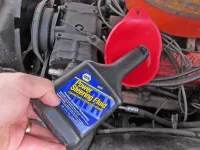
- Deterioration of the power steering system — costly repairs
Recommendations for maintaining optimal condition
To extend the life of the suspension and steering:
- Drive proactively — avoid potholes and obstacles when possible
- Check tire pressure regularly — incorrect pressure accelerates wear
- Respect maximum load ratings — overloading damages the suspension
- Use quality replacement parts
- Schedule inspections at specialized service centers equipped with modern diagnostic equipment
Conclusion
Regularly inspecting the suspension and steering is not just a precaution, but a necessity for the safety of all road users. A suspension and steering system in good condition guarantees not only driving comfort but also the ability to react appropriately in emergencies.
Consider consulting a specialized service or a trusted mechanic who knows your vehicle’s history. A professional diagnosis can identify problems in their early stages, saving time and money in the long term.
Photo sources: autotrader.ca, carbatteryinstallation.com, robsmagic.com