- Long idle can damage electrical, engine, and fluids; perform checks first.
- Check and replace fluids: oil, transmission fluid, and coolant as needed.
- If idle exceeds a month, check fluids; after three months, drain and replace.
- Battery tips: clean terminals, test voltage (12.4V+), and disconnect during long idle.
If your car has been parked for a long period—whether you were away from home, your license was suspended, or for other reasons—it’s essential to follow a few checks before starting it. Starting a vehicle directly after a prolonged idle can cause significant damage to the electrical system, the engine, and other vital components.
A car that has been unused for a long time may show accelerated wear, faulty parts, or degraded fluids that can no longer guarantee proper engine operation. Forcing a start without prior checks can lead to damage to the electrical system, engine seizure due to old oil, overheating of components if the cooling fluid is missing, and many other costly malfunctions.
Why Preliminary Checks Are Necessary
Whether the car has been off for a month or a year, there are essential checks that must be performed before starting the engine. These ensure road safety and prevent mechanical damage, especially if the idle period coincided with major weather changes.
Even if the car is used regularly, basic checks should be performed monthly. It’s important to check fluid levels and quality, identify any leaks, inspect the electrical system, and ensure all components function properly.
Checking and Replacing Fluids
Three essential fluids for the proper operation of a car are:
- Motor oil - provides lubrication and protection against wear
- Transmission fluid - ensures proper gear shifting
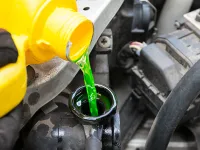
- Coolant (antifreeze) - prevents engine overheating
Each of these has distinct and critical roles. Absence or degradation of any one can lead to rapid failure of the vehicle.
When to Check and When to Replace
If the car has been off for more than one month, check both the level and the quality of the fluids. For longer periods of 3 months, it is recommended to completely drain the old fluids, clean the reservoirs, and add new fluids.

In addition to fluids, check the filters:
- Oil filter
- Air filter
- Fuel filter
Replacing these ensures optimal engine operation and prevents impurities from reaching sensitive components.
Car Battery Check
The battery is one of the most vulnerable components during prolonged idle. Weather conditions can accelerate its discharge, and without a functional battery you won’t be able to start the engine.
Steps for Checking the Battery
- Cleaning the terminals - remove corrosion with baking soda or a specialized cleaning solution
- Checking the charge level - use a voltmeter to measure the voltage (12.4V or higher indicates a good battery)
- Testing capacity - verify whether the battery can hold a charge
Prevention for the Future
If you know the car will be idle for a long period, disconnect the battery terminals. This prevents slow discharge caused by electrical consumers in the system (clock, alarm, ECUs).
Inspecting and Cleaning the Ignition System
For cars that have been off for at least three months, the ignition system needs checking and cleaning to ensure easy starting and proper combustion of the fuel.
Procedure for Spark Plugs
- Marking - before removing them, mark the spark plugs to reinstall in the correct order
- Visual inspection - check their condition:
- Oily spark plugs - may indicate issues with rings or valve guides
- White spark plugs - may signal too lean a mixture or cooling problems
- Corroded spark plugs - must be replaced immediately
- Cleaning or replacement - depending on condition, clean the affected area or install new plugs
Other System Checks
- Cylinders - ensure they are properly lubricated
- Fuel circuit - check that fuel flows normally
- Tank - if there is old fuel (older than 6 months), drain and clean the tank before refueling
Old fuel loses its properties and can cause starting problems and irregular engine operation.
Correct Starting Procedure After Checks
After performing all the checks mentioned, you can try starting the engine by following these steps:
- Initial start - turn the key and allow the electrical system to initialize for a few seconds
- Engine start - start the engine and listen carefully for unusual noises
- Idling - let the car idle for 5-10 minutes
- Visual inspection - check under the car for any fluid leaks
- Monitoring - monitor the engine temperature and dashboard indicators
If the engine starts easily, you don’t detect leaks, and all systems are functioning normally, you can set off. Still, stay highly attentive in the first kilometers.
Checks During and After Driving
During the first drive, monitor for:
- Suspension system - unusual noises or vibrations
- Bushings and joints - bangs or pops when changing direction
- Steering system - excessive play or hard handling
- Wheel alignment - the car pulls to one side
- Braking system - delayed response or noises
After reaching your destination, perform a final visual check for any leaks or issues. If everything is in order, the car should be ready for normal use.
Preventive Maintenance for the Future
To avoid problems caused by prolonged idle:
- Start the engine at least once a month and let it run for 15-20 minutes
- Move the car a few meters to prevent tire deformation
- Keep the tank full to minimize condensation
- Use a battery maintainer for very long periods
- Cover the car with a breathable tarp if parked outdoors
By following these steps and performing the necessary checks, you can safely start the car after any period of idle, avoiding costly repairs and ensuring your vehicle’s longevity.