- Lifespan varies: 80k–120k km+, or 40k–60k km in harsh conditions.
- Factors accelerating wear: potholes, rough roads, accidents, poor suspension, and neglect.
- Warning signs: metallic noises turning, car pulls, steering play, or uneven tire wear.
- Replacement: replace both tie rod ends at once to preserve balance.
The tie rod end is a critical component of the steering system, responsible for transmitting force from the steering rack to the front wheels. While it may seem simple, its lifespan can vary significantly based on several factors, and knowing the wear signals can prevent serious safety issues.
This guide explains what a tie rod end is, how it works, the factors that affect its longevity, warning signs of wear, the replacement process, and tips for prevention and maintenance.
What a tie rod end is and how it works
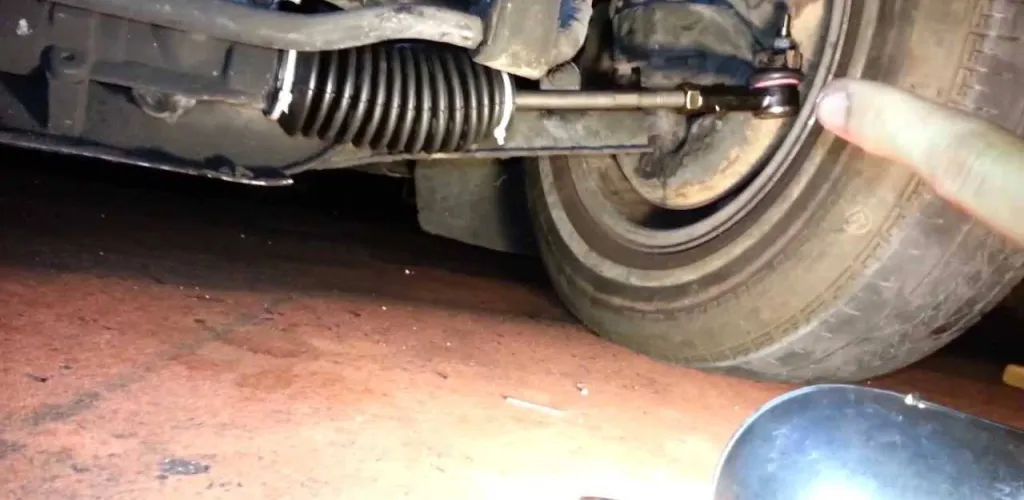
[Tie rod ends] are attached to the ends of the steering rack in the rack-and-pinion system used by most modern vehicles. As the pinion turns above the rack, it pushes and pulls the front tires when you turn the steering wheel.
Support rods also carry and transmit this force from the steering housing to the steering arm, and ultimately move the wheel. Each movement of the steering wheel places load on the tie rod ends, which means they wear continually during the vehicle’s use.
Life expectancy of tie rod ends
Factors that influence longevity
Longevity varies significantly:
- Well-maintained vehicles: can last 80,000–120,000 km or more
- Harsh operating conditions: may require replacement after 40,000–60,000 km
- City vehicles with many maneuvers: wear accelerates due to frequent turning
Conditions that accelerate wear
The driving conditions and hazards such as:
- Pothole-ridden and rough roads
- Minor auto accidents
- Poor road conditions
- Poor suspension condition
- Lack of preventive maintenance
All of these factors can cause wear to the tie rod ends, making replacement sooner than in ideal conditions necessary.
Warning signs that tie rod ends are worn
Auditory symptoms
One of the most noticeable signs that tie rod ends need replacement is a metallic sound heard from the front of the car when turning the wheels at low speed. This sound may be:
- A popping sound when entering tight turns
- A clunking noise as you negotiate turns
- Knocking noises during parking maneuvers
Abnormal vehicle handling
Other important signals include:
- The car pulls to one side when driving on a straight road
- The steering wheel does not return to center after turns
- Excessive play in the steering wheel (movement without immediate response from the wheels)
- Vibrations in the steering wheel at higher speeds
Tire wear
[Uneven tire wear] on the edges - this is a clear indication of wheel geometry problems caused by worn tie rod ends. Wear may appear:
- On the outer edge of the tire
- On the inner edge of the tire
- Uneven across the tread

Replacement process and recommendations
Replacing in pairs
Once the technician inspects the vehicle and determines that the tie rod ends need replacement, it is recommended to replace both sides. The right and left sides should be replaced at the same time to maintain steering system balance.

Additional checks required
In addition to replacing the tie rod ends, a full steering system check should be performed to ensure the vehicle operates smoothly. This includes:
- Wheel alignment check
- Steering rack inspection
- Inspection of the condition of other suspension components
- Alignment adjustment after installation
Importance of timely intervention
Because tie rod ends can fail completely, it is essential to be aware of all signals they give before they stop functioning. A complete failure can lead to a loss of control of the vehicle, posing a major safety risk.
Prevention and maintenance
To maximize the life of tie rod ends:
- Perform regular steering system inspections
- Avoid potholes and obstacles when possible
- Periodically check tire pressure
- Keep the suspension in good condition
- Do not ignore early wear signals
Have a certified mechanic replace the defective tie rod end to prevent further issues with the vehicle and to ensure proper mounting, followed by wheel alignment.
Photo sources: indiamart.com, shop.advanceautoparts.com, drivinglife.net