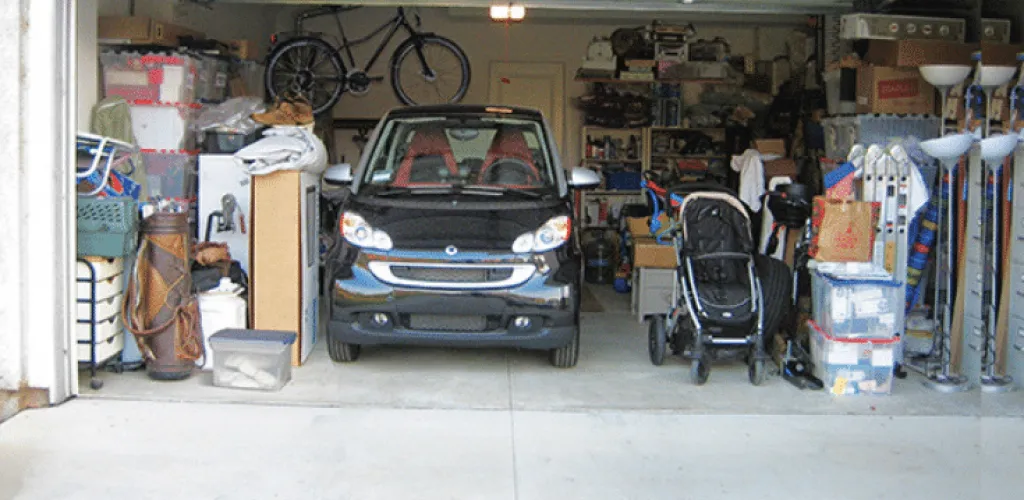
- Drive at least every two weeks for 15-20 km to circulate fluids.
- When driving rarely, run the engine at 3000-4000 rpm for several minutes.
- Idle warming alone is insufficient and can cause deposits; avoid prolonged idling.
- For long storage, use a trickle charger and periodic drives.
I f you are an occasional driver or your lifestyle doesn’t require frequent use of the car, it’s essential to know how to properly maintain your vehicle to prevent premature wear. Many owners don’t realize that simply leaving the car stationary for long periods can cause significant damage to the vehicle.
Letting the car sit idle can lead to various issues: battery discharge, tire deflation, buildup of impurities in the engine and systems, accelerated corrosion, and braking system problems. In this comprehensive guide, we will explain exactly how to prevent these issues and keep the car in optimal condition even if you drive it rarely.
The basic rule: drive regularly, not just start the engine
The most important tip for maintaining a car used infrequently is to drive it at least once every two weeks for a minimum of 15-20 km. This routine is not random—it ensures the recirculation of all fluids in the vehicle’s systems and removes deposits that form on engine components.
When driving rarely, it is essential to operate the engine at a higher RPM (minimum 3000-4000 rpm for several minutes), because the higher engine temperature helps to thoroughly clear condensate, carbon deposits, and dirt that have accumulated on parts. The engine must reach its optimal operating temperature to ensure proper lubrication and complete evaporation of condensate from the oil.
Important: Simply warming the engine at idle is not enough. This operation only heats the engine superficially, but does not move the main components at optimal parameters and does not allow the fluids to circulate effectively through all systems. Moreover, prolonged idle operation can lead to the accumulation of deposits in the engine due to incomplete combustion of fuel.
Battery: the most vulnerable component during storage
The car battery is the first component to suffer when the car is idle. Any battery gradually loses its charge over time, a process called “self-discharge,” which is accelerated by low temperatures and passive electrical consumers (clock, calculator memory, alarm systems).
A new battery loses about 5% of charge per month, while an older one can lose up to 15-20% per month. After 2-3 months of complete storage, most batteries will be insufficiently charged to start the engine.
How to protect the battery
Common mistake: Starting the engine and letting it idle for several minutes. This practice drains even more energy from the battery, because the alternator does not generate enough power at idle to compensate for the energy consumption of all electronic systems of modern cars.
Correct method: To recharge the battery efficiently, you need to drive at least 10-15 km at medium-high RPM (2500-4000 rpm). Only under these conditions does the alternator enter its optimal operating range and fully recharge the battery, extending the life of this component.
Additional solutions for long-term storage:
- Use a maintenance charger (trickle charger) that keeps the battery at 100% without overcharging
- Disconnect the negative terminal if the car will be parked for more than 3 months
- Periodically check the battery voltage (12.6V = 100% charge, below 12.0V = below 50%)
Tires: formation of flat spots and pressure loss
Tires are components that suffer significantly from prolonged storage, for several reasons:

Natural pressure loss
All tires slowly lose air through the pores of the rubber, in small but steady quantities—about 0.1-0.2 bar per month under normal conditions. The colder the outside temperature, the faster they deflate due to thermal contraction of air.
Formation of flat spots
When the car sits idle, the vehicle’s weight (roughly 400-600 kg per tire) continuously presses on the same contact areas with the ground. If the vehicle is left stationary for a long time with underinflated tires, permanent or temporary deformations can occur in the contact patch.
These flat spots can cause:
- Vibration at speed
- Uneven wear
- Increased road noise
- In extreme cases, irreversible structural damage
Preventive measures for tires
- Check and adjust tire pressure before leaving the car idle (add 0.3-0.5 bar above the recommended pressure)
- If the car will be parked for over a month, lift it on a hoist or use blocks to remove the weight from the tires
- Drive the car at least 10-15 km every two weeks to rotate the tires
- Keep the car in a shaded, non-sun-exposed location to minimize rubber degradation
Corrosion and moisture: the silent enemy
When a car sits idle, it accumulates significant moisture across its components and systems. This is due to temperature variations (day-night) that cause condensation, lack of ventilation, and poor airflow.
Humidity accelerates corrosion on:
- Brake components (discs, calipers, lines)
- Exhaust system
- Chassis and body elements
- Electrical contacts
- Interior (mold on upholstery and interior trim)
How to prevent corrosion
- Keep the car in a dry, well-ventilated garage
- Place a dehumidifier in the cabin
- Apply lubricant spray to exposed metal components
- Inspect and clean the body drainage holes
- Drive the car regularly to warm up all components and evaporate condensate
- Avoid leaving the car on grass or damp ground
Braking system: rust and seizing
Disc brakes are highly vulnerable to corrosion when the car sits idle. In just a few days of storage, a thin layer of rust can form on the disc surface. Although this layer usually wears off after a few stops, prolonged storage can lead to:
- Caliper sticking
- Pad seizure in calipers
- Deep disc corrosion
- Handbrake seizure (on cars with a mechanical handbrake)
Important tip: If you leave the car idle for more than two weeks, do not apply the handbrake. Instead, leave the car in gear (1st gear or reverse) or use wheel blocks.
Fluids and filters: degradation over time
Even if you don’t drive, fluids in the car degrade over time:
Engine oil
Oil accumulates condensate and acids formed from thermal degradation, even without running. For cars used rarely, oil changes should be performed on a time basis (every 12 months), not just after mileage.
Fuel
Gasoline degrades after 3-6 months, forming deposits that can clog injectors. Diesel can form algae and sediments. For long-term storage, use fuel stabilizer additives.
Coolant and brake fluid
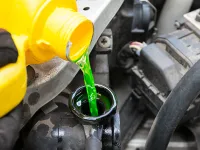
These fluids absorb moisture over time, reducing their effectiveness and promoting corrosion. They should be changed at the manufacturer’s recommended interval, regardless of mileage.
Recommended maintenance schedule for cars used rarely
Every two weeks:
- Drive at least 15-20 km
- Accelerate to 3000-4000 rpm for a few minutes
- Check tire pressure
- Visually inspect for signs of leaks
Monthly:
- Check the level of all fluids
- Inspect the battery (clean terminals, check voltage)
- Check the operation of all lights
Every 6-12 months:
- Change oil and filter, even if the mileage target hasn’t been reached
- Check the brake fluid condition
- Inspect the braking system
- Check tire condition (cracks, splits)
Conclusion
Maintaining a car that’s used rarely requires attention and discipline. The key is to understand that long-term storage can be more damaging than regular use. Driving regularly, even short distances at optimal parameters, and adhering to a periodic check schedule, will help prevent most issues associated with sporadic car use.
Spending time on these checks and regular driving is far cheaper than the repairs that neglect can trigger. A well-maintained car will operate reliably for many years, even if it’s used only occasionally.
Photo source: