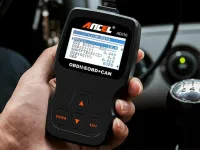
- Real-time monitoring (pressure/temperature) guides precise LPG injection via ECU
- Rapid 0.2-0.3s response automatically closes valves and seals the system
- Automatic switch to gasoline preserves driveability if LPG depleted or fault detected
- European standards: ECE R67, R110, ISO 15500; rigorous collision and temperature tests
Rising fuel costs have led an increasing number of drivers to turn to LPG systems, especially those who travel long daily distances in busy city traffic. While the economic benefits are evident, many car owners have legitimate questions about the safety of this technology.
Despite common fears about potential fire or explosion risks, modern LPG systems benefit from advanced safety technologies that make them as safe as traditional gasoline systems. Let’s analyze in detail how these systems work and what protection measures they include.
How modern LPG systems work
An installed LPG system includes several essential components for safe operation:
- LPG tank — constructed from impact- and pressure-resistant materials
- Pressure and temperature sensors — continuously monitor system parameters
- LPG ECU — the computer that controls gas injection
- Safety valves — shut off the gas flow in case of issues
- Pipes and fittings — certified for high pressures
When the engine runs on LPG, the ECU constantly receives information from the pressure and temperature sensors. Based on these data, the computer calculates the exact amount of gas that must be injected into the engine, ensuring optimal and safe operation.
Integrated safety mechanisms
Continuous monitoring
The most important aspect of LPG system safety is real-time monitoring. The pressure and temperature sensor sends data to the ECU at millisecond intervals, allowing instant detection of any anomaly.
Rapid response to critical situations
- Response time: 0.2-0.3 seconds
- Action: automatic closing of valves
- Result: complete sealing of the LPG system
This reaction speed means that, even if a leak were to occur, the amount of gas that would be lost would be negligible.
Automatic switch to gasoline
When the LPG tank is depleted or when the system detects a problem, the switch to gasoline is automatic and instantaneous. The driver can continue to drive normally without interrupting engine operation.

Safety in the event of an accident
Collision tests
Manufacturers of LPG systems conduct rigorous impact tests to demonstrate the resistance and safety of installations. These tests include:
- Front impacts at high speeds
- Lateral impacts that could affect the tank
- Penetration tests to verify resistance to sharp objects
- Extreme temperature tests for simulating fires
Protection during an accident
At the moment of impact, sensors detect abnormal changes in pressure and temperature instantly, determining:
- Immediate closure of all valves
- Complete sealing of the LPG system
- Prevention of any possible gas leakage
- Automatic switch to the gasoline system
Quality standards and certification
European regulations
LPG systems sold in Romania must comply with strict European standards:
- ECE R67 for tanks
- ECE R110 for system components
- ISO 15500 for complete installations
Mandatory tests
Before homologation, each component undergoes exhaustive tests:

- Pressure tests (up to 3 times the working pressure)
- Temperature tests (from -40°C to +120°C)
- Durability tests (simulating years of use)
- Corrosion tests to verify long-term resistance
The explosion myth — why it is unfounded
The physical properties of LPG
- LPG is heavier than air, so it disperses downward and does not accumulate
- It requires a specific concentration (1.8-9.5%) to be flammable
- In open spaces it disperses rapidly, eliminating the risk of accumulation
Tank construction
LPG tanks are built to withstand pressures much higher than operating pressures:
- Working pressure: 16-25 bar
- Test pressure: 45-50 bar
- Material: high-strength steel or carbon fiber
- Safety valve: opens automatically at excessive pressure
Additional safety advantages of LPG
Safe storage
Unlike gasoline, which can form flammable vapors even at low temperatures, LPG remains liquid in the tank and does not create dangerous vapors under normal conditions.
Redundant system
Most modern LPG systems have redundant safety features:
- Double shut-off valves
- Multiple sensors for monitoring
- Backup systems for switching to gasoline
Maintenance for optimal safety
Recommended periodic checks
- Every 6 months: visual inspection of components
- Annual: sensor and valve testing
- Every 2 years: full system check
- At 10 years: tank replacement (per regulations)
Signs requiring immediate inspection
- Gas smell around the car
- Issues with gasoline-LPG switching
- Unstable engine operation on gas
- Dashboard warning lights activated
Conclusion
LPG systems have been the result of decades of technological development and rigorous safety testing. Equipped with advanced sensors, redundant safety protections, and built to the strictest international standards, these installations offer the same level of safety as traditional gasoline systems.
Fears of explosion or fire are scientifically and technically unfounded, and modern LPG systems include so many safety measures that the risk of an accident is practically zero when the installation is performed by a professional and properly maintained.
For those who drive many kilometers annually, LPG systems represent not only a viable economic solution but also a safe one, allowing them to benefit from reduced operating costs without compromising safety.